

What is a River Sand Material Pneumatic Conveying System? What Are Its Design Principles?
Understanding the fundamentals of pneumatic conveying systems for river sand is crucial for industries that rely on efficient material handling solutions. A pneumatic conveying system is a technology that uses compressed air or other gas to transport bulk materials like river sand from one location to another. This method offers advantages such as reduced equipment wear, minimal contamination, and the ability to handle materials in a closed system, which is particularly beneficial for sensitive or dusty materials like river sand.
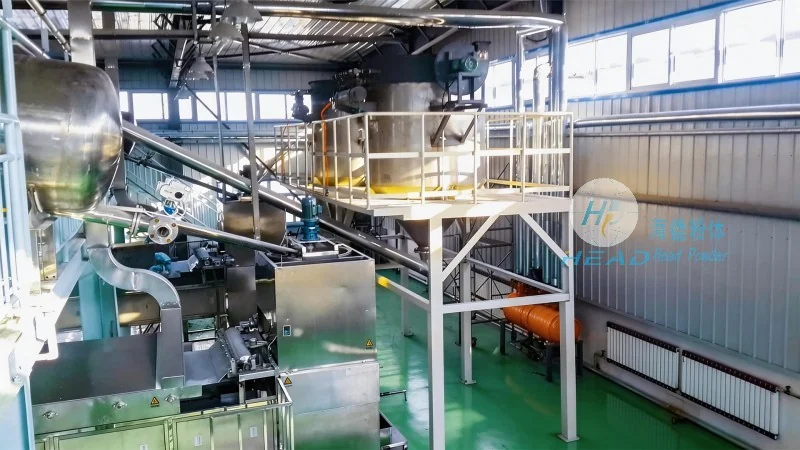
Key Components of a Pneumatic Conveying System
The design of a river sand pneumatic conveying system typically involves several key components that work in tandem to ensure efficient material transport. These components include a material feeder, a conveying line (often with a pipeline), a pressure vessel or receiver, and a control system. The material feeder is responsible for feeding the river sand into the system at a consistent rate, while the conveying line transports the material through the pipeline. The pressure vessel or receiver collects the material at the destination and may include features like a dust filter or silo to manage the material and air separation. The control system monitors and regulates the flow of air and material, ensuring optimal performance and preventing issues like blockages or pressure fluctuations.
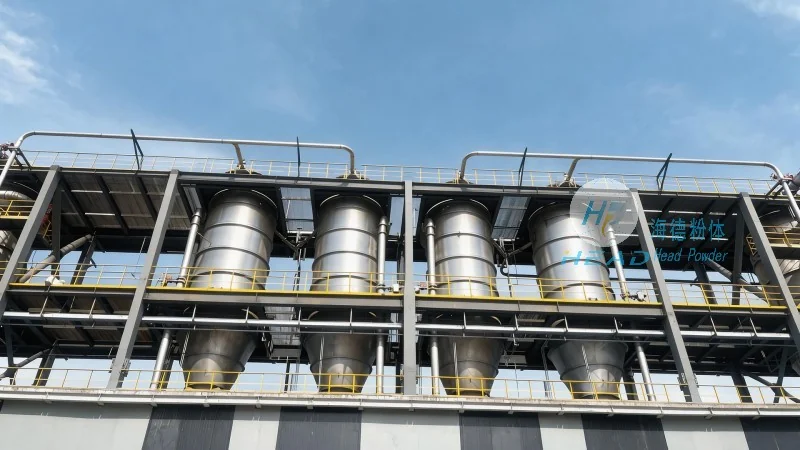
Design Principles for Efficient River Sand Conveying
The design principles for a pneumatic conveying system for river sand focus on maximizing efficiency, minimizing energy consumption, and ensuring reliable operation. One of the primary design considerations is the selection of the appropriate conveying method, which can be categorized into dilute-phase or dense-phase systems. Dilute-phase systems use high air velocities to transport the material in a dispersed state, while dense-phase systems use lower air velocities and higher material concentrations. For river sand, a dilute-phase system is often preferred due to its ability to handle larger quantities of material with lower energy costs. Another critical design principle is the sizing of the conveying line and components, which must be matched to the material's properties, such as particle size, density, and moisture content. Proper sizing ensures that the system operates within its optimal range, preventing excessive pressure drops or energy waste. Additionally, the system design must account for the material's flow characteristics, including its angle of repose and cohesive properties, to avoid issues like material buildup or blockages in the pipeline.
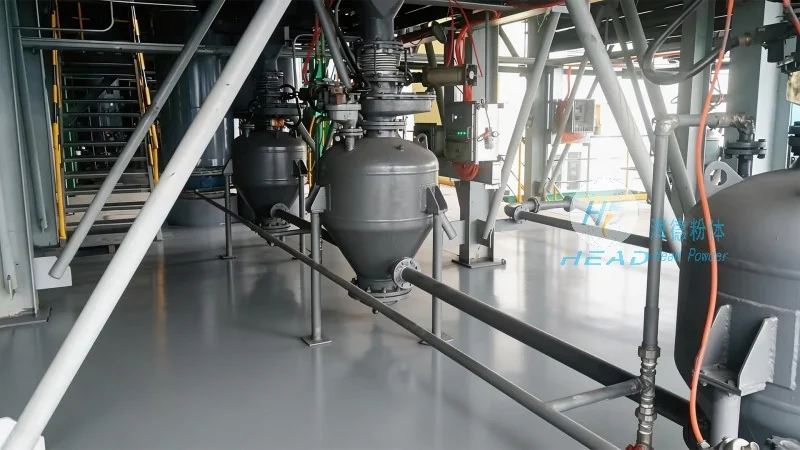
Advantages of Using Pneumatic Conveying for River Sand
Implementing a pneumatic conveying system for river sand offers several advantages over traditional material handling methods. One of the most significant benefits is the reduction in equipment wear and tear, as the material is transported in a closed system with minimal contact with the conveying components. This results in lower maintenance costs and longer equipment life. Another advantage is the prevention of contamination, as the system is enclosed and can be designed to meet specific cleanliness requirements. This is particularly important for industries that require high-purity materials, such as the construction or manufacturing sectors. Furthermore, pneumatic conveying systems offer flexibility in terms of layout and installation, as the conveying line can be configured to follow the existing facility layout without the need for extensive civil works. This allows for easier integration into existing production lines and reduces the overall project cost.
Application Examples and Industry Use Cases
River sand pneumatic conveying systems are widely used in various industries that require the handling of bulk materials. In the construction industry, these systems are commonly used to transport sand from storage silos to concrete mixing plants or other processing facilities. The ability to transport sand in a closed system ensures that the material remains clean and free from moisture, which is essential for maintaining the quality of concrete. In the manufacturing industry, pneumatic conveying systems are used to transport sand to foundries or other processing units where it is used as a raw material for casting or molding. The efficiency of these systems allows for consistent material delivery, which is critical for maintaining production schedules and product quality. Additionally, in the mining and quarrying industry, pneumatic conveying systems are used to transport sand from extraction sites to processing plants or storage facilities. The ability to handle large quantities of material over long distances makes these systems ideal for remote mining operations.
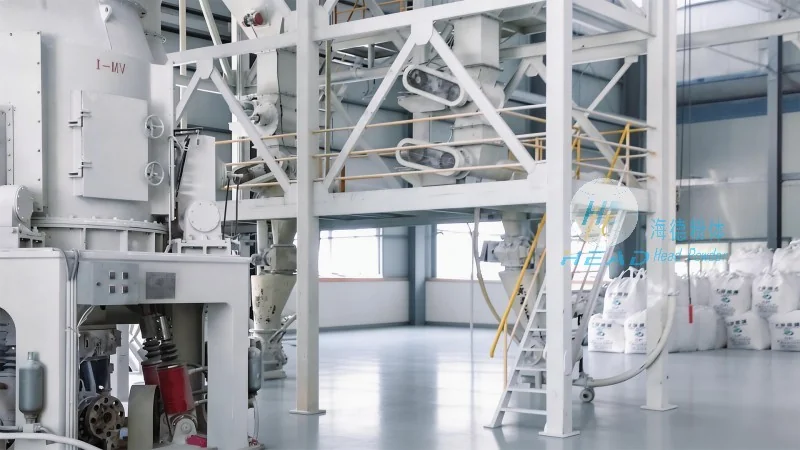
Conclusion and Company Overview
In conclusion, a pneumatic conveying system for river sand is a highly efficient and reliable method for material handling, offering numerous advantages over traditional methods. The design principles and components of such a system are carefully selected to ensure optimal performance and minimal maintenance. As a leading provider of engineering solutions, Shandong HeadPowder Engineering Co., Ltd. specializes in designing and manufacturing pneumatic conveying systems tailored to the specific needs of industries handling river sand and other bulk materials. With a focus on quality, efficiency, and customer satisfaction, HeadPowder has established itself as a trusted partner in the material handling industry, providing innovative solutions that meet the evolving demands of modern manufacturing and construction.