

Working Principle and Features of Centralized Bulk Material Feeding Pneumatic Conveying Equipment
Shandong HeadPowder Engineering Co., Ltd., commonly known as headpowder, is a professional manufacturer based in Shandong, China. The company specializes in the design, development, and production of advanced pneumatic conveying systems, particularly those used for centralized bulk material feeding. This article will delve into the working principle and key features of such equipment, providing a comprehensive overview for industry professionals and potential clients.
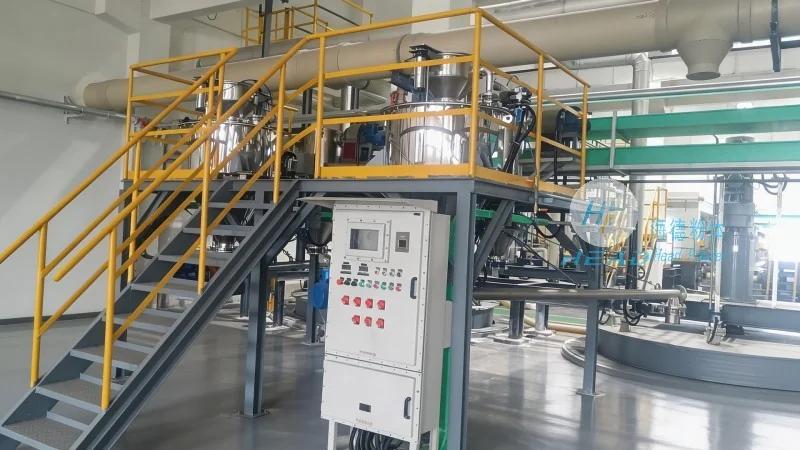
Working Principle of Centralized Bulk Material Feeding Pneumatic Conveying Equipment
The centralized bulk material feeding pneumatic conveying equipment operates on the principle of air-based material transport. At its core, the system uses compressed air or suction to move bulk materials from a central feeding point to various processing or storage locations. The process typically involves several key components: a feeding hopper, a conveyor pipeline network, a pressure or vacuum source, and control valves. When the system is activated, air is introduced into the pipeline, creating a flow that propels the material particles through the system. The feeding hopper ensures a consistent supply of material, while the pipeline network connects the source to the destination points. Control valves regulate the air flow and material discharge, allowing for precise control over the conveying process. This method eliminates the need for manual handling and reduces the risk of material contamination, making it ideal for industries dealing with powders, granules, or other bulk solids.
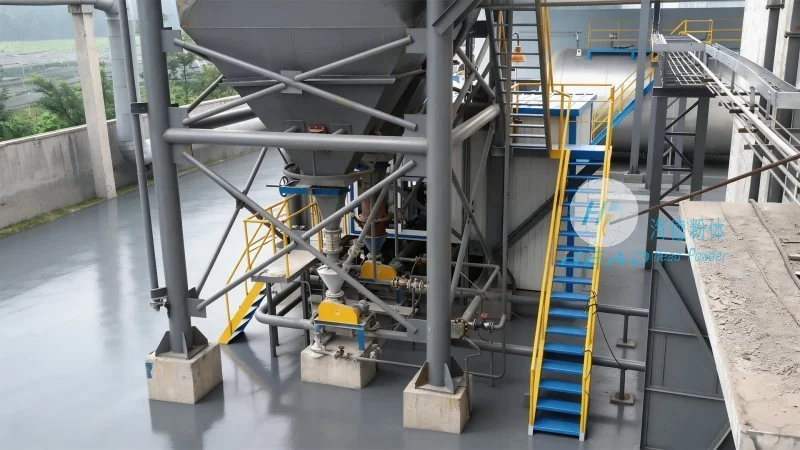
Key Features of the Equipment
One of the primary advantages of centralized bulk material feeding pneumatic conveying equipment is its high efficiency in material transport. By centralizing the feeding process, the system minimizes the number of transfer points, reducing overall conveying time and energy consumption. The equipment is also designed for low maintenance, with robust components that can withstand continuous operation in industrial environments. Another notable feature is its adaptability to a wide range of materials, including fine powders, coarse granules, and even abrasive substances. The system can be configured with different air pressure levels and pipeline diameters to suit specific material characteristics and application requirements. Additionally, the centralized control system allows for easy monitoring and adjustment of the conveying process, enhancing operational flexibility and reliability. This feature is particularly beneficial in manufacturing facilities where consistent material supply is critical for production continuity.
Application and Benefits in Industrial Settings
The centralized bulk material feeding pneumatic conveying equipment is widely used in various industrial sectors, including pharmaceuticals, food processing, chemicals, and mining. In these industries, the equipment plays a crucial role in ensuring a steady and clean supply of raw materials to production lines. By eliminating manual handling, the system reduces labor costs and minimizes the risk of product contamination, which is essential in industries with strict quality standards. The equipment also contributes to improved workplace safety by removing the need for workers to handle heavy or dusty materials manually. Furthermore, the centralized design allows for better space utilization in facilities, as the feeding and conveying infrastructure can be integrated into existing layouts without significant modifications. This flexibility makes the equipment a cost-effective solution for both new and existing industrial operations.
Conclusion
Centralized bulk material feeding pneumatic conveying equipment, as manufactured by Shandong HeadPowder Engineering Co., Ltd., represents a sophisticated solution for efficient bulk material transport. By leveraging the principles of air-based conveying and integrating advanced control systems, the equipment offers numerous benefits, including high efficiency, low maintenance, and adaptability to diverse material types. The centralized design not only enhances operational performance but also contributes to improved safety and space utilization in industrial settings. For industries seeking to optimize their material handling processes, this equipment provides a reliable and effective solution, aligning with the company's commitment to delivering high-quality engineering solutions from its base in Shandong, China.