

Working Principle and Features of Low-Pressure Continuous Pneumatic Conveying Equipment
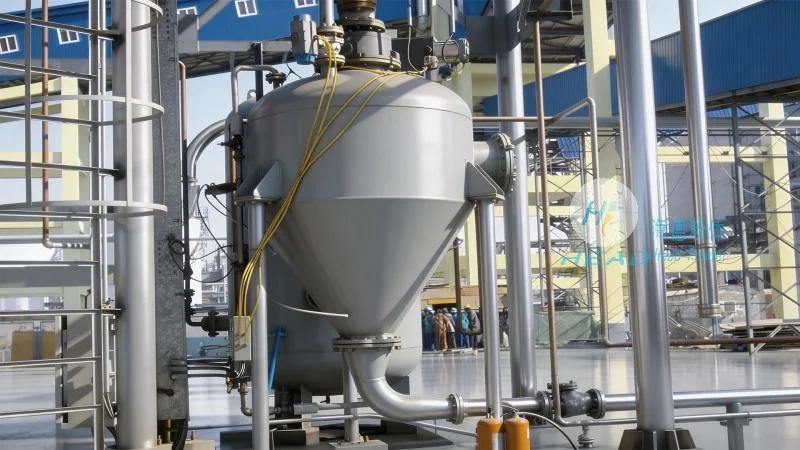
Low-pressure continuous pneumatic conveying equipment operates by utilizing a controlled flow of air to transport bulk materials through a pipeline system. The process begins with the material being fed into the inlet of the conveying line, where it is then entrained by the moving air stream. This air stream, typically generated by a blower or fan, creates a pressure differential that propels the material particles forward. The key to the low-pressure system lies in maintaining a consistent air velocity and pressure, which ensures efficient material transport without causing excessive wear on the equipment components. The conveying line is often equipped with bends, valves, and other accessories that help direct the material flow and maintain the air-material mixture's stability throughout the entire system. The system's design emphasizes energy efficiency and operational reliability, making it suitable for continuous production environments where uninterrupted material flow is critical. By controlling the air pressure and flow rate, operators can adjust the conveying capacity to match the specific requirements of the application, ensuring optimal performance under varying load conditions.
Key Features of Low-Pressure Continuous Pneumatic Conveying Equipment
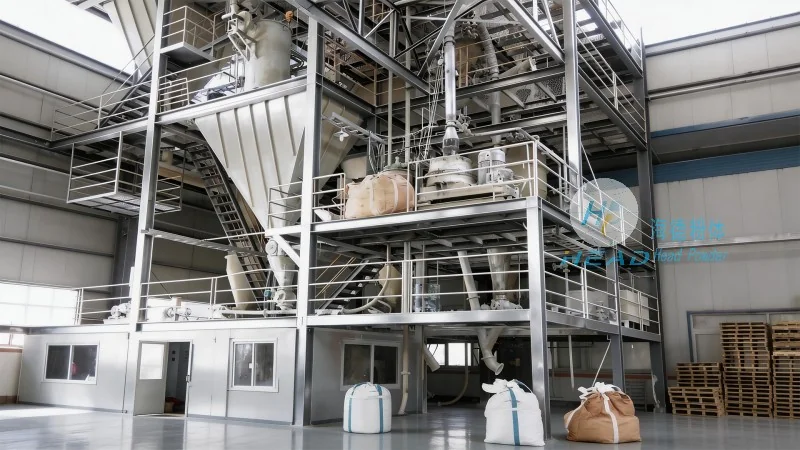
Low-pressure continuous pneumatic conveying systems offer several distinct advantages that make them a preferred choice for industrial material handling. One of the primary features is their ability to handle a wide range of bulk materials, including powders, granules, and fine particles, without causing degradation or segregation. The continuous operation mode ensures a steady and reliable material flow, which is essential for maintaining production efficiency in manufacturing and processing facilities. Another notable feature is the system's flexibility in terms of layout and integration. It can be easily adapted to existing plant layouts, allowing for the conveyance of materials over long distances or between different processing stages without the need for extensive infrastructure modifications. Additionally, low-pressure systems are generally more energy-efficient compared to high-pressure alternatives, as they require lower air pressures and can operate with less power consumption. This makes them a cost-effective solution for businesses looking to optimize their material handling processes while reducing operational expenses. The equipment also features durable components designed to withstand the rigors of continuous operation, ensuring long-term reliability and minimal maintenance requirements.
Application Examples and Benefits in Industrial Settings
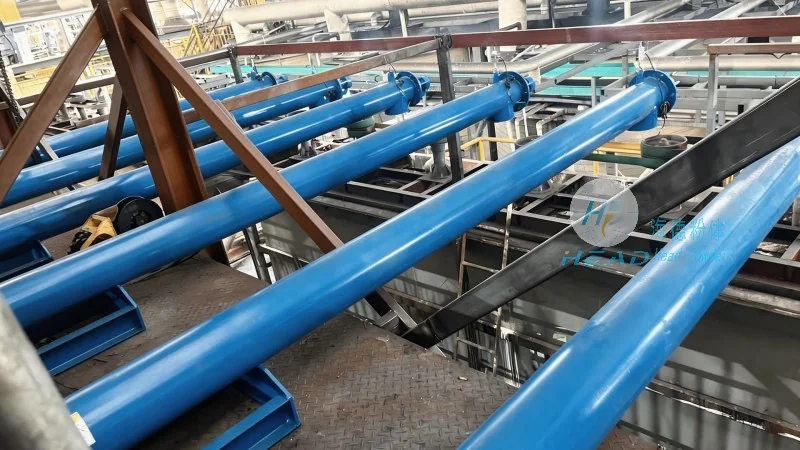
In industrial settings, low-pressure continuous pneumatic conveying equipment is widely utilized across various sectors, including food processing, pharmaceuticals, chemicals, and minerals. For example, in the food industry, it is commonly employed to transport ingredients such as flour, sugar, and spices, where maintaining product purity and preventing contamination is paramount. The system's ability to handle fine powders without caking or agglomeration makes it ideal for these applications. In the pharmaceutical sector, low-pressure conveying is preferred for transporting active pharmaceutical ingredients (APIs) and other sensitive materials, as it ensures a clean and sterile environment. The continuous nature of the system also helps in maintaining consistent product quality by avoiding batch-to-batch variations. Furthermore, in the chemical industry, low-pressure systems are used to convey raw materials and intermediates, which often require precise control over temperature and moisture levels. The equipment's design allows for easy integration with other processing equipment, such as mixers and reactors, enhancing overall production efficiency. In the minerals processing industry, low-pressure conveying is used to transport ore and other bulk materials from storage to processing facilities, improving operational flow and reducing handling time.
Company Information and Technical Support
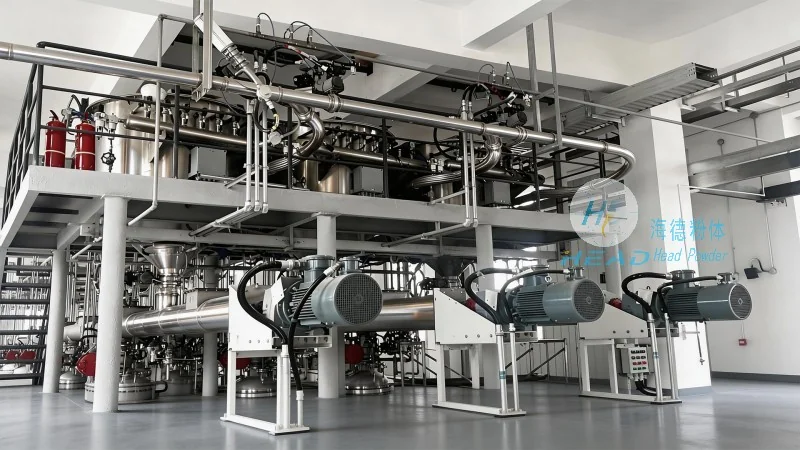
For businesses seeking reliable low-pressure continuous pneumatic conveying solutions, Shandong HeadPowder Engineering Co., Ltd. provides high-quality equipment and technical support. As a leading manufacturer in the industry, HeadPowder specializes in designing and manufacturing customized conveying systems tailored to the specific needs of each client. The company's headquarters is located in Shandong, China, where a team of experienced engineers and technicians work to ensure that every product meets the highest standards of performance and durability. HeadPowder's commitment to quality is reflected in their use of advanced materials and rigorous testing processes, which guarantee that their equipment operates efficiently and reliably over extended periods. The company also offers comprehensive after-sales support, including maintenance services and technical consultations, to help clients maximize the lifespan and performance of their conveying systems. By choosing HeadPowder, businesses can benefit from a partner that understands the unique challenges of industrial material handling and provides solutions that enhance productivity and reduce operational costs.