

Working Principle and Features of Carburizing Slag Gas-Pneumatic Conveying Equipment
Carburizing slag gas-pneumatic conveying equipment is a specialized industrial device designed for the efficient handling and transportation of carburizing slag, a byproduct commonly generated in the metallurgical and chemical industries. This equipment plays a crucial role in maintaining operational efficiency and ensuring environmental compliance by providing a reliable method for moving these materials from one location to another within a production facility.
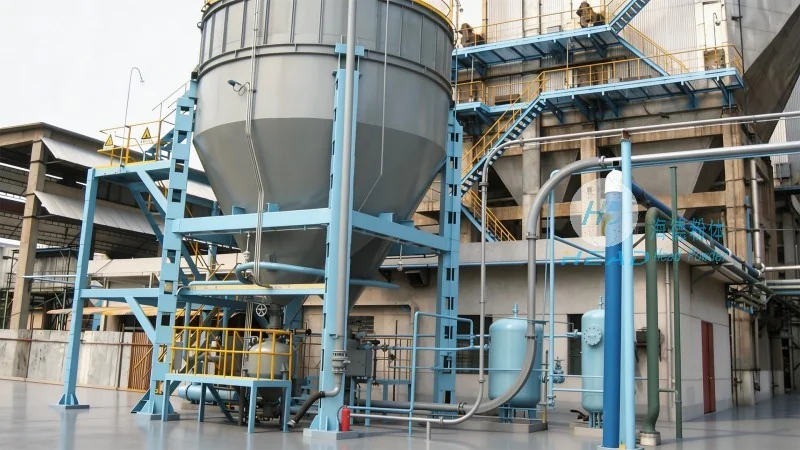
Introduction to Carburizing Slag Gas-Pneumatic Conveying Equipment
Carburizing slag, also known as calcium carbide slag, is a solid waste material produced during the carburizing process, which involves the reaction of calcium carbide with water to generate acetylene gas. The slag consists of calcium oxide, carbon, and other impurities, making it a heavy and abrasive material that requires specialized handling equipment. Traditional methods of transporting carburizing slag, such as manual shoveling or mechanical conveyors, often suffer from low efficiency, high labor costs, and potential health hazards due to dust exposure. Gas-pneumatic conveying systems offer a modern solution to these challenges by utilizing compressed air to transport the slag in a closed system, minimizing dust emissions and improving overall safety.
Working Principle of Carburizing Slag Gas-Pneumatic Conveying Equipment
The operation of carburizing slag gas-pneumatic conveying equipment is based on the principle of pneumatic transport, where a stream of compressed air is used to move the solid particles through a pipeline. The system typically consists of several key components, including a hopper for material storage, a rotary valve or feeder to control the flow of slag into the pipeline, a conveying pipe network, and a receiver or collection tank at the destination. The working process can be broken down into the following steps:
1. Material Loading: Carburizing slag is fed into the hopper from a storage silo or directly from the production line. The hopper is designed with a smooth interior to prevent material buildup and ensure consistent flow.
2. Feeding and Metering: A rotary valve or screw feeder is used to regulate the amount of slag entering the conveying pipe. This component ensures a steady and controlled flow rate, preventing overloading or clogging of the system.
3. Pneumatic Conveying: Compressed air, typically supplied by an air compressor, is introduced into the conveying pipe at a high velocity. The air stream creates a negative pressure (or positive pressure, depending on the system design) that lifts and transports the slag particles through the pipeline. The air-slag mixture travels at a velocity sufficient to overcome gravitational forces and friction within the pipe.
4. Delivery and Discharge: At the receiving end of the pipeline, the compressed air is separated from the slag in a receiver or cyclone separator. The separated air is then discharged to the atmosphere or recirculated back into the system, while the slag is collected in a hopper or storage bin for further processing or disposal.
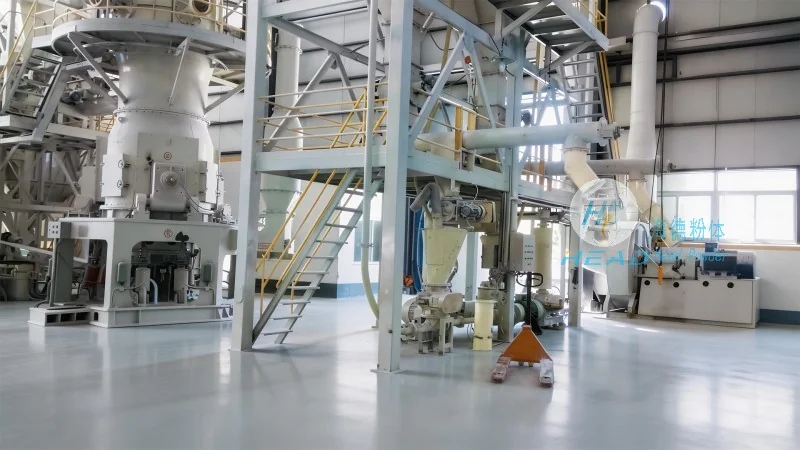
Key Features and Advantages of Carburizing Slag Gas-Pneumatic Conveying Equipment
Carburizing slag gas-pneumatic conveying equipment offers several advantages over traditional transportation methods, making it an ideal choice for industrial applications. The following are the primary features and benefits:
1. Efficient Material Handling: The equipment provides a continuous and high-capacity method for transporting carburizing slag, reducing the need for manual labor and increasing overall production efficiency. The system can handle large volumes of material with minimal downtime.
2. Low Maintenance Requirements: Compared to mechanical conveyors, gas-pneumatic systems have fewer moving parts, which reduces the risk of mechanical failure and lowers maintenance costs. The absence of heavy rollers or chains also minimizes wear and tear on the equipment.
3. Environmental Benefits: By operating in a closed system, the equipment effectively contains dust and other airborne particles, reducing the risk of respiratory hazards for workers and minimizing environmental pollution. This compliance with environmental regulations is a critical advantage for industrial facilities.
4. Flexibility in Layout: The modular design of gas-pneumatic conveying systems allows for easy integration into existing production layouts. The conveying pipes can be installed in various configurations, including vertical, horizontal, or inclined paths, to accommodate different spatial constraints within a facility.
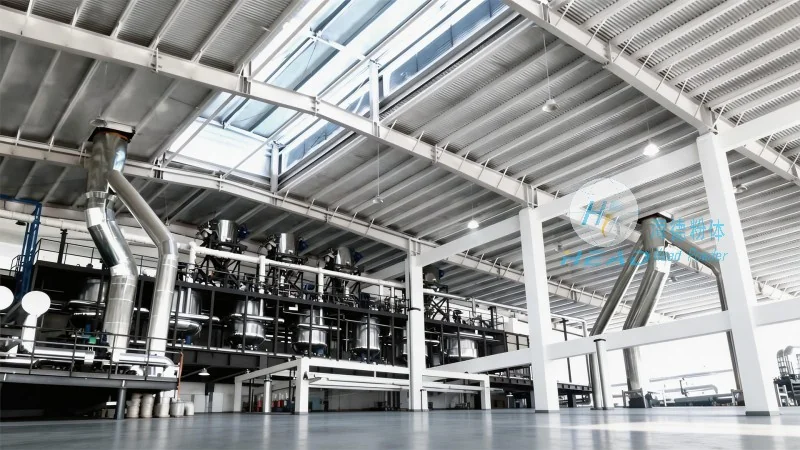
5. Energy Efficiency: Modern gas-pneumatic systems are designed to optimize air usage, reducing energy consumption and operating costs. Advanced control systems can adjust the air pressure and flow rate based on the material load, ensuring efficient operation.
Applications and Industries
Carburizing slag gas-pneumatic conveying equipment is widely used in various industries where carburizing processes are employed. The primary applications include:
1. Metallurgical Industry: In steel and iron production facilities, carburizing slag is generated during the production of calcium carbide and other chemical products. The equipment is used to transport the slag from reactors to storage areas or disposal sites.
2. Chemical Manufacturing: Chemical plants that produce acetylene gas or other derivatives of calcium carbide rely on this equipment to handle the resulting slag, ensuring smooth operation and waste management.
3. Industrial Waste Management: The equipment is also used in waste treatment facilities to transport carburizing slag for recycling or disposal, contributing to sustainable industrial practices.
Conclusion
Carburizing slag gas-pneumatic conveying equipment is a sophisticated solution for the efficient and safe handling of carburizing slag. By leveraging pneumatic transport principles, this equipment offers significant advantages in terms of efficiency, maintenance, environmental compliance, and flexibility. For industrial facilities seeking to optimize their slag handling processes, investing in such equipment can lead to improved operational performance and reduced costs. As a leading manufacturer in this field, Shandong HeadPowder Engineering Co., Ltd. provides high-quality carburizing slag gas-pneumatic conveying equipment tailored to meet the specific needs of various industrial applications.