

Working Principle and Features of Pneumatic Conveyors for Synthetic Rubber
Shandong HeadPowder Engineering Co., Ltd., a leading manufacturer based in China, specializes in providing advanced pneumatic conveying solutions tailored for the synthetic rubber industry. This article explores the fundamental working principle and key features of these systems, offering insights into their efficiency and versatility in material handling applications.
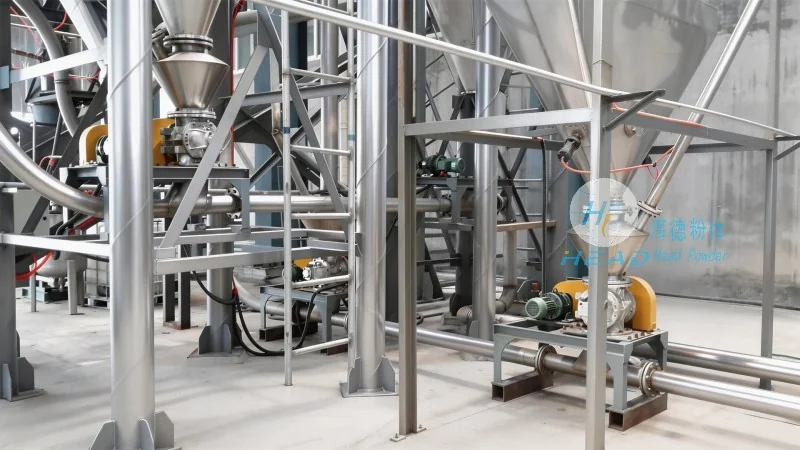
Working Principle of Synthetic Rubber Pneumatic Conveyors
The core mechanism of a synthetic rubber pneumatic conveyor involves the use of compressed air to transport bulk materials through a sealed pipeline system. As synthetic rubber is often in granular or pellet form, these conveyors utilize either pressure or vacuum modes to move the material from the source to the destination. In the pressure system, a blower or compressor generates high-pressure air that pushes the material through the pipeline, while the vacuum system uses a suction fan to draw the material into the line. The design typically includes a hopper or feeder that meters the synthetic rubber into the conveying line, ensuring a consistent flow rate. The air and material mixture travels through the pipeline, with the air providing the necessary force to overcome friction and gravity, allowing the synthetic rubber to be transported efficiently over long distances or vertical heights.
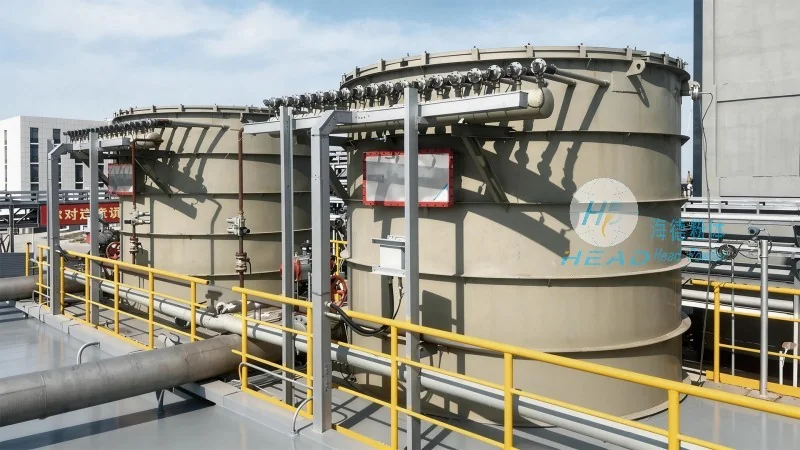
Key Features of Synthetic Rubber Pneumatic Conveyors
Several distinct features make synthetic rubber pneumatic conveyors an ideal choice for handling this material. Firstly, the enclosed pipeline system prevents dust and contamination, which is crucial for maintaining the quality of synthetic rubber, especially in applications where purity is critical. Secondly, these systems offer high flexibility in layout, as the pipeline can be configured in various shapes and directions to suit the plant layout, minimizing the need for additional equipment like elevators or conveyors. Thirdly, the operation is relatively simple and requires minimal maintenance, with most components being robust and durable to withstand the abrasive nature of synthetic rubber particles. Additionally, the system can handle varying material loads and flow rates, adapting to production changes without significant adjustments. The energy efficiency of pneumatic conveyors is another notable feature, as they can transport materials with lower energy consumption compared to traditional mechanical systems, reducing operational costs over time.
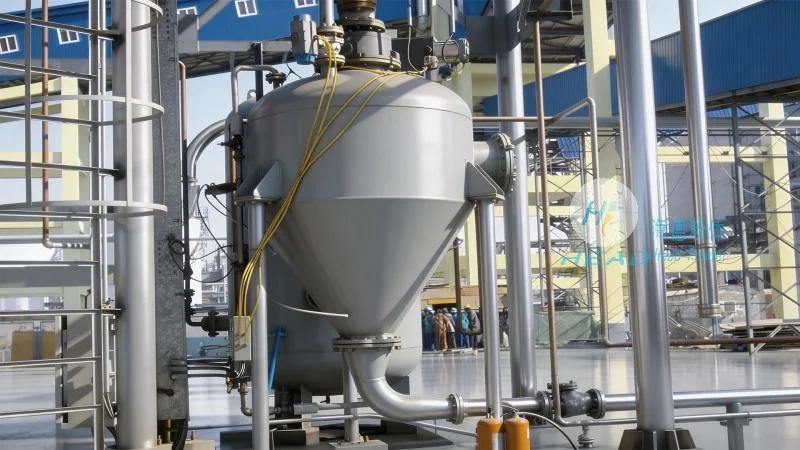
Application and Benefits in the Synthetic Rubber Industry
For companies dealing with synthetic rubber, pneumatic conveyors provide several advantages that enhance operational efficiency. The ability to transport materials without direct contact reduces wear and tear on equipment, extending the lifespan of the machinery. The enclosed system also helps in controlling dust emissions, contributing to a safer working environment and compliance with environmental regulations. Furthermore, the system's adaptability allows it to integrate seamlessly with existing production lines, improving overall workflow and reducing downtime. By leveraging the expertise of manufacturers like Shandong HeadPowder Engineering Co., Ltd., industries can optimize their material handling processes, ensuring consistent quality and productivity in synthetic rubber production.