HeadPowder, a leading provider of industrial conveying solutions, specializes in the design and manufacturing of efficient fly ash powder conveyors. Based in Shandong, China, the company has established itself as a trusted partner for power plants and industrial facilities seeking reliable equipment for handling fly ash. This article delves into the working principle and key features of these essential machines, highlighting their role in optimizing material transport and enhancing operational efficiency.
Understanding the Working Principle of Fly Ash Powder Conveyors
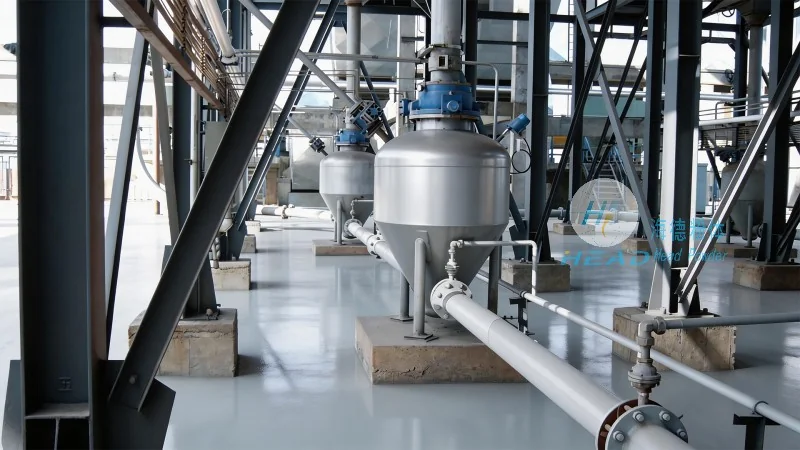
Fly ash powder conveyors are engineered to transport fine particulate materials, such as fly ash from coal-fired power plants, with precision and minimal loss. The core working principle revolves around the use of a combination of mechanical components that ensure the material is moved efficiently from the source to the destination. Typically, these systems employ a screw or auger mechanism, which acts as the primary transport element. The screw, rotating within a cylindrical housing, pushes the fly ash forward through the conveyor. This mechanism is complemented by a feeding hopper that collects the material and feeds it into the screw, ensuring a consistent flow. The conveyor's design allows for gentle handling of the fly ash, preventing agglomeration and maintaining the material's quality. Additionally, many modern fly ash conveyors incorporate a vacuum or pressure system to control the air flow, which helps in maintaining the material's dryness and preventing dust emissions. The control system, often integrated with sensors, monitors the conveyor's operation, adjusting the speed and pressure as needed to optimize performance. This integrated approach ensures that the fly ash is transported safely and efficiently, meeting the demands of industrial applications.
Key Features of Fly Ash Powder Conveyors
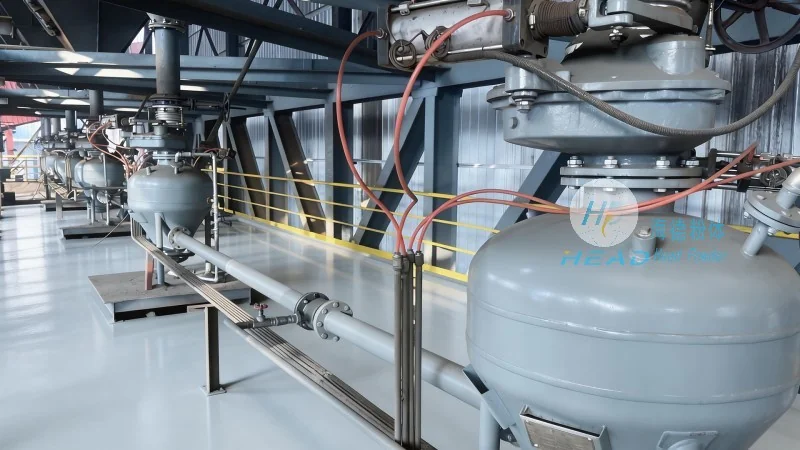
The features of fly ash powder conveyors are tailored to address the unique challenges of handling fine, abrasive materials. One of the most notable features is the robust construction, which includes corrosion-resistant materials to withstand the acidic and abrasive nature of fly ash. This ensures long-term durability and minimal maintenance. Another critical feature is the adjustable speed control, allowing operators to modulate the conveyor's speed based on the material's characteristics and the required transport distance. This flexibility is essential for maintaining consistent material flow and preventing overloading. The system also includes a dust suppression mechanism, such as a sealed housing and an integrated air filtration system, which minimizes dust emissions and enhances workplace safety. Furthermore, the conveyor's design allows for easy maintenance, with accessible components that can be serviced without extensive downtime. This is achieved through modular construction, where parts can be replaced or repaired quickly, reducing operational interruptions. The integration of advanced control systems, including real-time monitoring and automated adjustments, further enhances the conveyor's performance and reliability. These features collectively contribute to the efficiency and effectiveness of fly ash powder conveyors in industrial settings.
Applications and Benefits in Industrial Settings
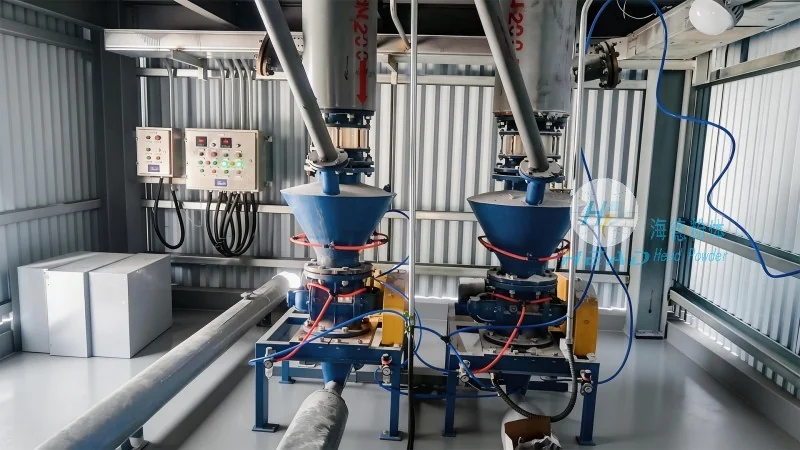
Fly ash powder conveyors are widely used in various industrial applications, particularly in power generation and waste management. Their primary role is to transport fly ash from the boiler to storage silos or disposal sites, ensuring a continuous and controlled process. The benefits of using these conveyors extend beyond efficient material transport. By minimizing material loss and dust emissions, they contribute to environmental compliance and reduce operational costs. The gentle handling of the fly ash prevents agglomeration, which can lead to blockages and reduced efficiency in downstream processes. Additionally, the adjustable speed and pressure control allow for seamless integration with other industrial equipment, such as silos and processing units. This integration enhances overall plant efficiency and reduces the need for manual handling, which is both labor-intensive and hazardous. The durability and low maintenance requirements of these conveyors also contribute to long-term cost savings, making them a cost-effective solution for industrial facilities. In summary, fly ash powder conveyors offer a reliable and efficient method for handling fine particulate materials, supporting the operational needs of power plants and industrial facilities while adhering to safety and environmental standards.




