When it comes to the efficient and reliable handling of synthetic fiber materials, understanding the working principle and characteristics of the conveying systems used is crucial. Synthetic fibers, such as polyester, nylon, and acrylic, are widely used in various industries including textiles, automotive, and construction. The proper conveyance of these materials ensures smooth production processes and optimal performance of downstream equipment. This article explores the fundamental working principles of synthetic fiber material conveying systems and highlights the key characteristics that make them effective in industrial applications.
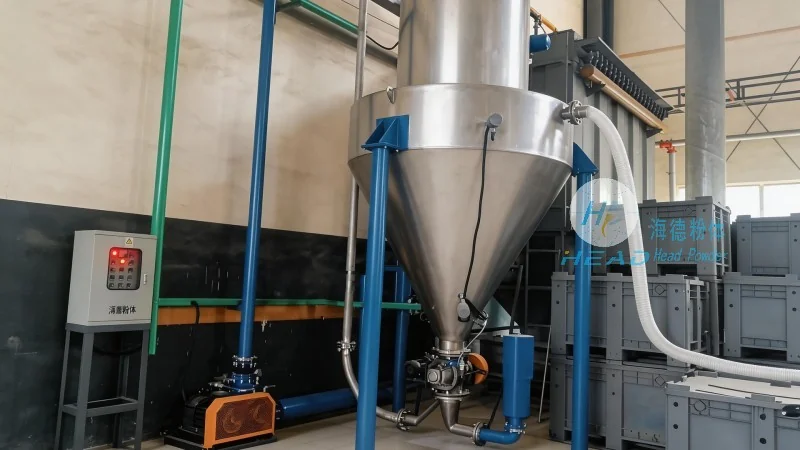
HeadPowder Engineering Co., Ltd., a leading provider of material handling solutions based in Shandong, China, specializes in designing and manufacturing advanced conveying systems tailored to the unique needs of synthetic fiber processing. With years of experience in the industry, the company has developed a comprehensive range of equipment that addresses the challenges associated with handling lightweight, abrasive, and sometimes sticky synthetic fibers. The following sections delve into the working mechanisms and distinctive features of these conveying systems, providing insights into how they enhance operational efficiency and product quality.
The Working Principle of Synthetic Fiber Material Conveying Systems
The core working principle of synthetic fiber material conveying systems revolves around the use of specialized equipment that can transport loose or bulk synthetic fibers from one location to another within a production facility. These systems typically consist of components such as feeders, conveyors, and control units, each playing a vital role in the overall operation. The process begins with the feeding of synthetic fibers into the system, where they are then transported through a series of mechanisms designed to maintain material flow and prevent blockages.
One common type of conveying system used for synthetic fibers is the pneumatic conveyor, which utilizes compressed air to move materials through a network of pipes. In this system, the synthetic fibers are fed into a hopper or feeder, and then drawn into the conveyor line by the air pressure. The air flow ensures that the fibers move smoothly and are evenly distributed along the conveyor path. This method is particularly effective for handling fine or lightweight fibers that might be difficult to move using traditional mechanical conveyors.
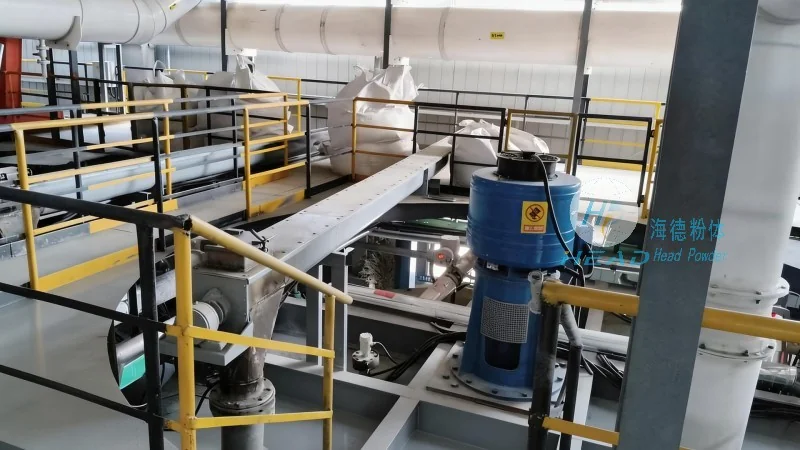
Another widely used system is the mechanical conveyor, which relies on mechanical components like belts, rollers, or screws to transport synthetic fibers. Belt conveyors, for example, use a continuous belt that moves over rollers to carry the fibers from the feed point to the discharge point. The speed and tension of the belt can be adjusted to control the flow rate and prevent material buildup. Screw conveyors, on the other hand, use a rotating screw to push the fibers forward, making them suitable for handling bulkier or more abrasive synthetic materials.
Regardless of the specific type of conveyor used, the working principle remains consistent: the system must ensure that the synthetic fibers are moved efficiently, with minimal loss or degradation. This involves maintaining proper air pressure, belt tension, or screw speed, as well as ensuring that the material is not subjected to excessive friction or pressure that could damage the fibers or cause contamination.
Key Characteristics of Synthetic Fiber Material Conveying Systems
Effective synthetic fiber material conveying systems exhibit several key characteristics that distinguish them from other material handling solutions. These features are designed to address the unique properties of synthetic fibers, such as their lightweight nature, abrasive characteristics, and tendency to generate static electricity. The following characteristics are critical for ensuring optimal performance and reliability in industrial settings:
Firstly, the systems must be designed to handle the lightweight and low-density nature of synthetic fibers. Traditional conveyors may struggle with such materials due to their low mass, which can lead to uneven flow or material spillage. Advanced conveying systems, however, incorporate features like adjustable feed rates and specialized hoppers that minimize material loss and ensure consistent flow. For instance, HeadPowder Engineering Co., Ltd. offers customized hopper designs that optimize the feeding of synthetic fibers, reducing the risk of blockages and improving overall system efficiency.
Secondly, the conveyors must be capable of handling abrasive synthetic fibers without causing wear and tear to the equipment. Synthetic fibers, especially those used in industrial applications, can be quite abrasive, leading to premature wear on conveyor components like belts, rollers, and screws. High-quality materials and robust construction are essential to mitigate this issue. HeadPowder Engineering Co., Ltd. utilizes durable materials such as stainless steel and high-grade polymers in their conveyor designs, ensuring long-term reliability and minimal maintenance requirements.
Thirdly, the systems should be designed to prevent static electricity buildup, which can be a significant issue with synthetic fibers. Static electricity can cause fibers to cling to equipment, leading to material buildup and potential fire hazards. Conveying systems equipped with anti-static features, such as grounding mechanisms or ionizers, help to dissipate static charges and maintain safe operating conditions. HeadPowder Engineering Co., Ltd. integrates these features into their designs, ensuring compliance with safety standards and preventing costly downtime due to static-related issues.
Fourthly, the conveyors must be adaptable to different synthetic fiber types and processing requirements. The ability to handle various fiber sizes, shapes, and compositions is crucial for flexibility in production. HeadPowder Engineering Co., Ltd. offers modular conveyor systems that can be easily configured to accommodate different synthetic fiber applications, allowing for seamless integration into existing production lines. This adaptability reduces the need for frequent system changes and minimizes downtime during production transitions.
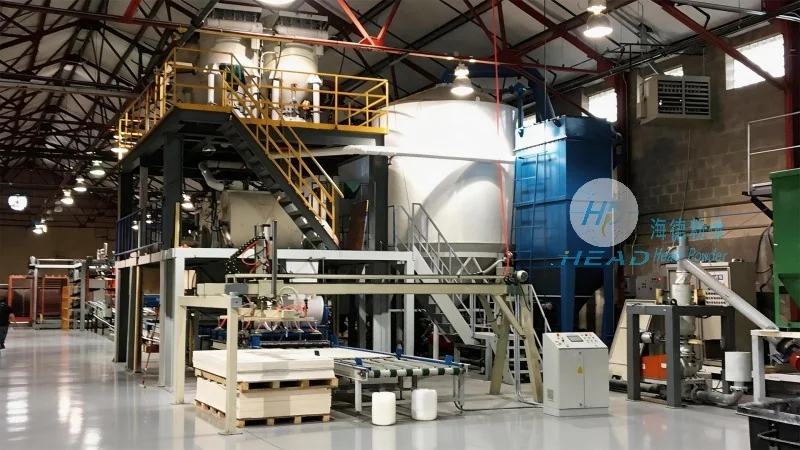
Fifthly, the systems should prioritize energy efficiency and operational cost reduction. In industrial settings, energy consumption is a significant factor in overall operational costs. Advanced conveying systems, such as those developed by HeadPowder Engineering Co., Ltd., incorporate energy-saving features like variable speed drives and optimized air pressure control. These features help to reduce energy consumption while maintaining the required material flow rates, contributing to lower operational costs and increased profitability for manufacturers.
Applications and Benefits of Synthetic Fiber Conveying Systems
Synthetic fiber material conveying systems find widespread application across various industries, where the efficient handling of these materials is essential for production continuity. In the textile industry, for example, conveying systems are used to transport raw synthetic fibers from storage to processing machinery, ensuring a steady supply of material for spinning and weaving operations. The automotive industry also relies on these systems to handle synthetic fibers used in interior components, such as seat fabrics and insulation materials. Additionally, the construction industry utilizes synthetic fiber conveying systems for the transport of fibers used in composite materials and insulation products.
The benefits of using advanced synthetic fiber conveying systems extend beyond mere material transport. These systems enhance production efficiency by reducing downtime and improving material flow consistency. By minimizing material loss and preventing blockages, the systems contribute to higher yields and lower waste. Furthermore, the use of durable and low-maintenance equipment reduces the overall cost of ownership, making these systems a cost-effective solution for long-term industrial applications.
HeadPowder Engineering Co., Ltd. has successfully implemented synthetic fiber conveying systems in numerous projects, demonstrating their effectiveness in improving operational performance and product quality. The company's expertise in material handling solutions, combined with its commitment to innovation and customer satisfaction, has made it a trusted partner for businesses seeking reliable conveying systems for synthetic fiber processing. With a focus on tailored solutions and robust engineering, HeadPowder Engineering Co., Ltd. continues to provide high-quality equipment that meets the evolving needs of the synthetic fiber industry.
In conclusion, the working principle and characteristics of synthetic fiber material conveying systems are critical factors in ensuring efficient and reliable material handling in industrial applications. By understanding the mechanisms behind these systems and leveraging their key features, manufacturers can optimize their production processes, reduce costs, and enhance overall operational performance. HeadPowder Engineering Co., Ltd., with its extensive experience and innovative solutions, remains at the forefront of providing advanced material handling solutions for synthetic fiber processing, helping businesses achieve their production goals with precision and efficiency.




