Organic salt material handling is a critical process in various industrial applications, particularly in sectors dealing with chemical processing, food production, and pharmaceutical manufacturing. The efficient transport and management of organic salts, such as sodium bicarbonate, potassium chloride, or calcium carbonate, require specialized equipment and systems designed to ensure safety, efficiency, and reliability. This article delves into the fundamental working principles and distinctive characteristics of organic salt material handling systems, highlighting how they contribute to operational excellence in industrial settings.
The Core Working Principle of Organic Salt Material Handling Systems
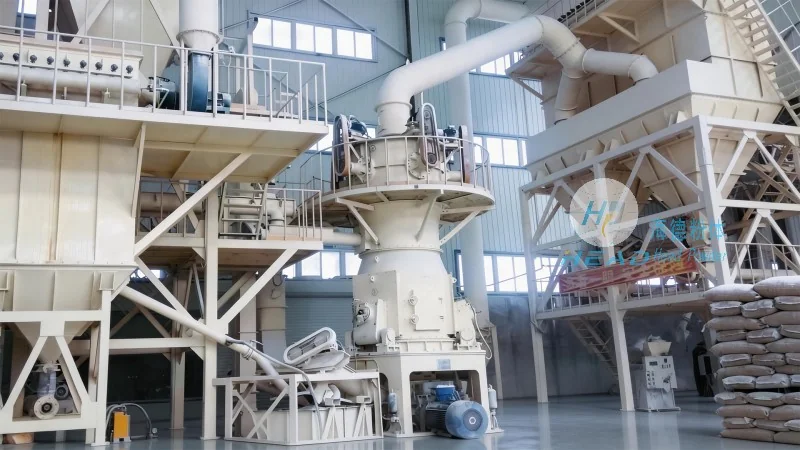
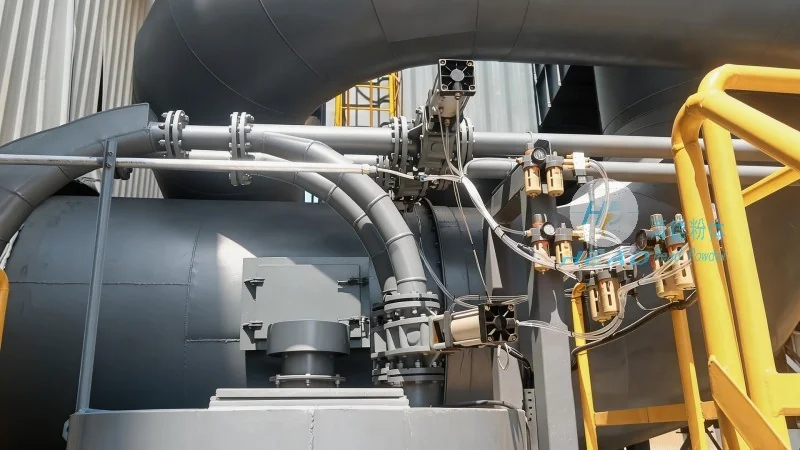
The working principle of organic salt material handling typically revolves around a combination of mechanical and pneumatic systems, tailored to the specific properties of the salt. The process generally begins with the storage of organic salts in bulk containers or silos. From there, the material is transferred through a network of conveyors, pumps, or air slides, depending on the system design. For instance, in many industrial setups, a screw conveyor or a belt conveyor is used to move the organic salt from the storage area to the processing or packaging units. In some cases, pneumatic conveying systems are employed, where air is used to transport the salt particles through pipes, ensuring a dust-free and controlled transfer. The choice of equipment depends on factors like the salt's moisture content, particle size, and the required transfer distance. The system is designed to maintain consistent flow rates, minimize material degradation, and prevent clogging, which are essential for maintaining product quality and operational efficiency.
Key Characteristics of Organic Salt Material Handling Systems
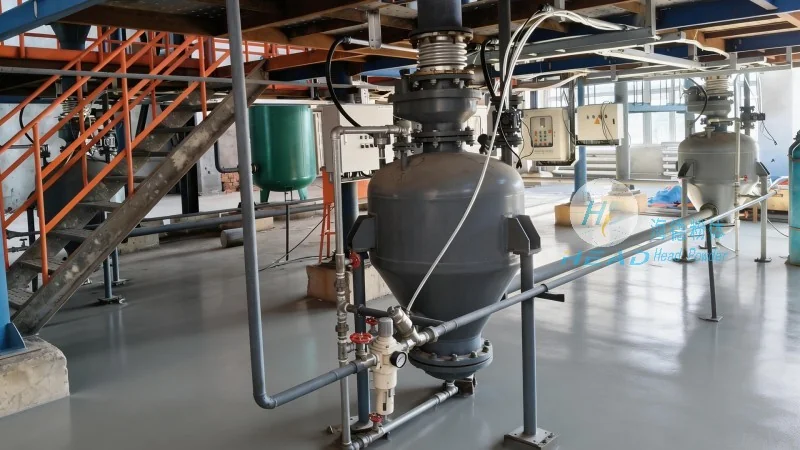
Organic salt material handling systems exhibit several key characteristics that distinguish them from other material handling solutions. First, they are engineered to handle the unique physical and chemical properties of organic salts, which may include hygroscopicity (the tendency to absorb moisture from the air), varying particle sizes, and potential reactivity with other substances. The systems are constructed from materials that are resistant to corrosion and chemical attack, such as stainless steel or specialized plastics, to ensure durability and long-term performance. Another critical characteristic is the emphasis on safety and environmental compliance. Modern organic salt handling systems incorporate features like dust suppression, containment measures, and automated controls to prevent spills, leaks, and exposure to hazardous materials. Additionally, these systems are designed for scalability, allowing them to adapt to changing production volumes and operational needs. The integration of sensors and monitoring systems enables real-time tracking of material flow, temperature, and pressure, providing operators with valuable data for process optimization and maintenance planning.
Company Profile: Shandong HeadPowder Engineering Co., Ltd.
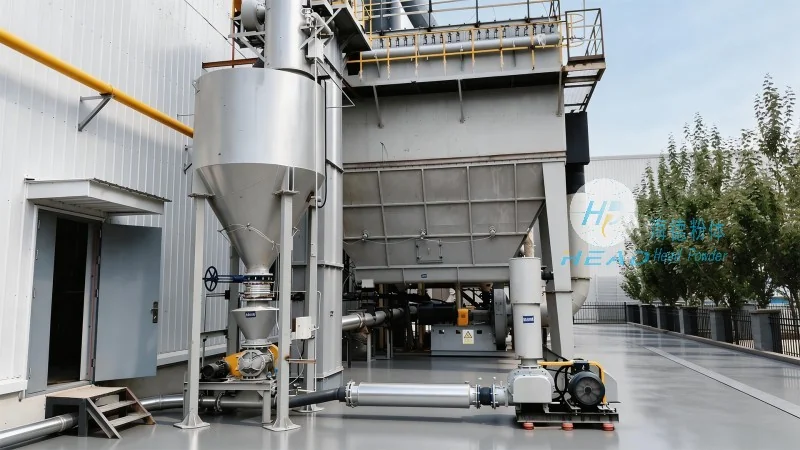
At Shandong HeadPowder Engineering Co., Ltd., we specialize in the design, manufacturing, and installation of advanced organic salt material handling systems. With years of experience in the industry, our team of engineers and technicians has developed a deep understanding of the unique challenges associated with handling organic salts. Our company, commonly known as headpowder, is committed to delivering high-quality, reliable solutions that meet the specific needs of our clients. Based in Shandong, China, we leverage our local expertise and resources to provide tailored solutions that enhance operational efficiency and safety. Our systems are built to withstand the demands of industrial environments, ensuring long-term performance and minimal downtime. We work closely with clients to understand their production requirements and provide customized solutions that align with their operational goals. Whether it's a new installation or an upgrade to an existing system, we are dedicated to delivering products and services that meet the highest standards of quality and performance.




