For industrial applications involving the transport of gypsum sand, understanding the working principles and characteristics of the material handling systems is crucial. This article provides an in-depth look at how gypsum sand material handling operates and its key attributes, presented by Shandong HeadPowder Engineering Co., Ltd., a leading provider in the field.
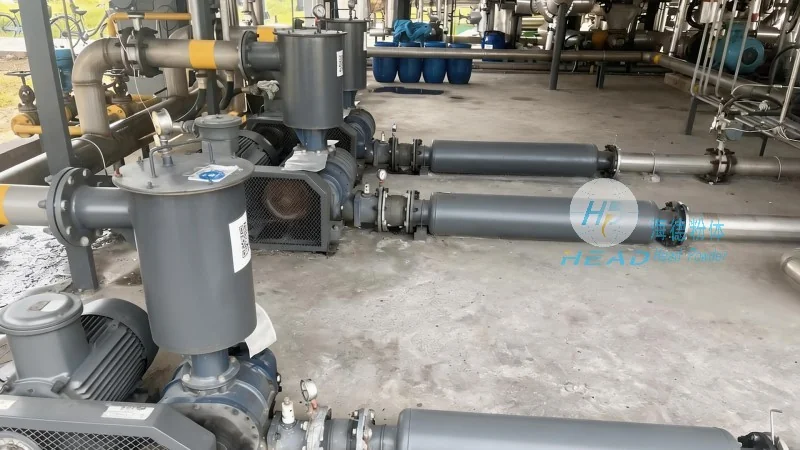
Overview of Gypsum Sand Material Handling Systems
Gypsum sand material handling systems are designed to efficiently transport gypsum sand, a common material used in construction, agriculture, and other industries. These systems typically involve various components such as conveyors, feeders, and control mechanisms to ensure smooth and reliable material movement. The primary goal is to maintain consistent flow rates, minimize material degradation, and optimize operational efficiency.
The Working Principle of Gypsum Sand Material Handling
The working principle of gypsum sand material handling systems revolves around the continuous movement of material from a source to a destination. The process generally starts with the material being fed into a hopper or storage bin. From there, it is transferred to a conveyor system, which may include belt conveyors, screw conveyors, or pneumatic conveyors, depending on the specific application and material characteristics. The system uses mechanical or pneumatic forces to move the gypsum sand through the conveyor, ensuring it reaches the desired location without blockages or spillage.
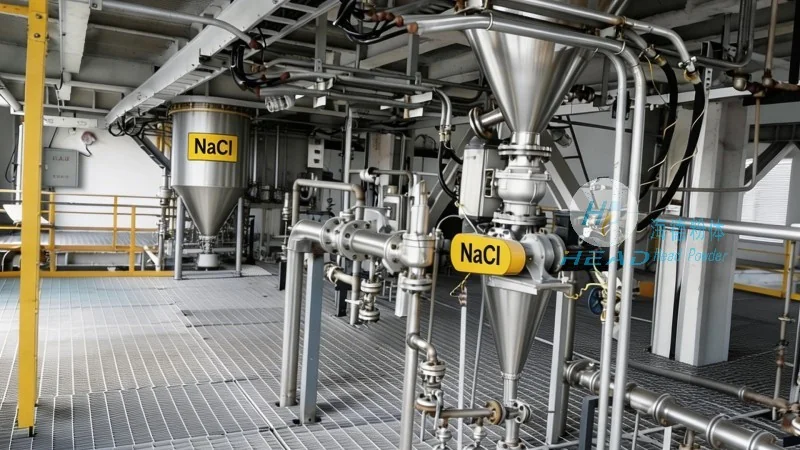
Key components in the working principle include feeders that regulate the flow of material into the conveyor, control valves that adjust the speed or direction of the material movement, and sensors that monitor the system's performance. These components work in tandem to maintain a stable and efficient operation. For instance, a screw conveyor might use a rotating screw to push the gypsum sand forward, while a belt conveyor relies on friction between the belt and the material to move it along the path.
Key Characteristics of Gypsum Sand Material Handling
Several important characteristics define the performance and suitability of gypsum sand material handling systems. These include durability, as the equipment must withstand the abrasive nature of gypsum sand. The systems also need to be designed for low maintenance, with components that are easy to replace or repair. Additionally, energy efficiency is a critical factor, as the cost of operating the system over time can significantly impact overall operational costs.
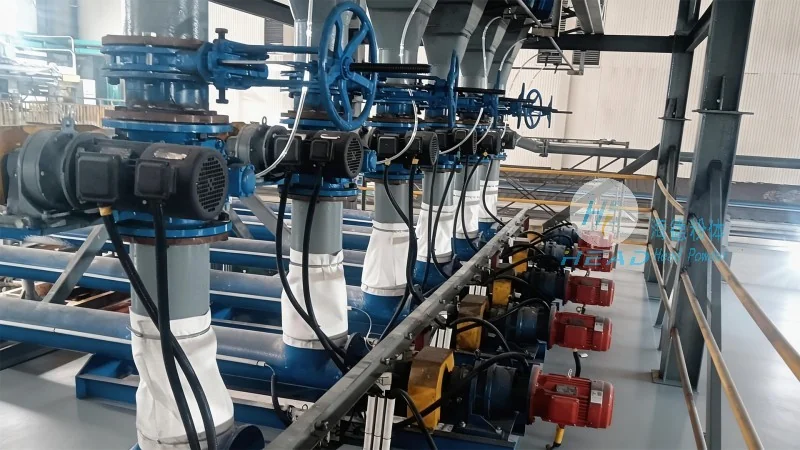
Another key characteristic is the ability to handle varying material conditions. Gypsum sand can be dry or slightly moist, and the system must be able to accommodate these changes without affecting performance. This often involves adjustable settings on the feeder or conveyor to maintain consistent flow rates. Furthermore, the systems are designed to minimize dust generation, which is important for maintaining a safe and clean working environment. Dust suppression mechanisms, such as enclosures or air filtration systems, are commonly integrated into the design.
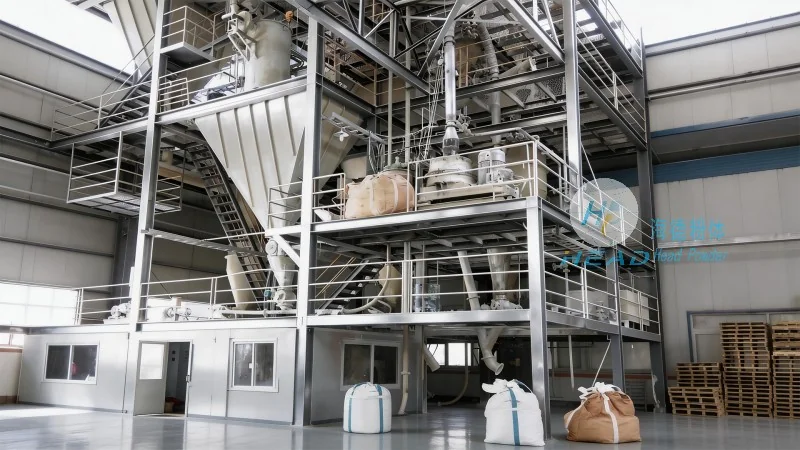
Application-Specific Considerations
The characteristics and working principles of gypsum sand material handling systems can vary based on the specific application. For example, in construction applications, the system may need to handle larger quantities of material and transport it over longer distances. In agricultural settings, the system might be used to move gypsum sand for soil conditioning, requiring precise control over the material's distribution. Each application demands tailored solutions to ensure optimal performance and compliance with industry standards.
Conclusion
Gypsum sand material handling systems are essential for the efficient and reliable transport of this versatile material. By understanding the working principles and key characteristics, industries can select and implement the most suitable systems to meet their operational needs. Shandong HeadPowder Engineering Co., Ltd. specializes in providing customized material handling solutions that address the unique requirements of each application, ensuring durability, efficiency, and safety in the handling of gypsum sand.




