Alumina particle material handling is a critical process in industries that rely on alumina as a key raw material. This process involves the efficient transportation, storage, and processing of alumina particles, which are widely used in applications such as ceramics, refractory materials, and chemical production. The goal of alumina particle handling is to ensure smooth, safe, and reliable operations while maintaining the quality and integrity of the material. Understanding the working principles and features of these systems is essential for optimizing industrial workflows and enhancing productivity.
Working Principle of Alumina Particle Material Handling Systems
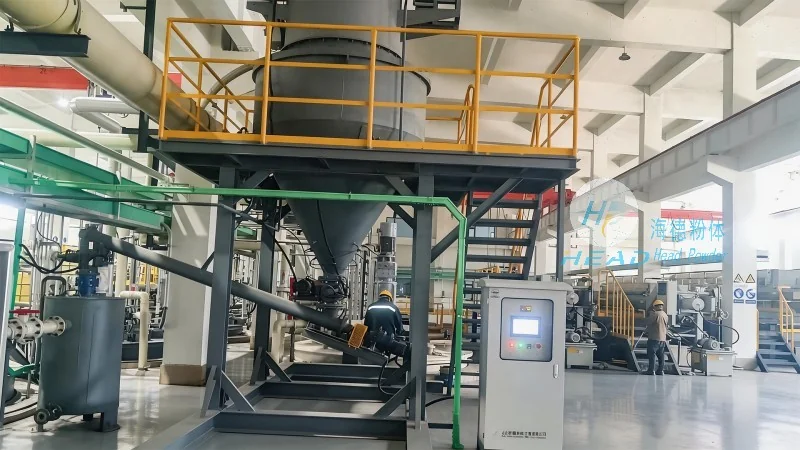
The working principle of alumina particle material handling systems revolves around the integration of specialized equipment and control mechanisms to manage the unique properties of alumina particles. These particles are typically characterized by high density, abrasive surfaces, and varying particle sizes, which require specialized handling techniques. The core components of a typical system include feeders, conveyors, elevators, and storage silos, each playing a crucial role in the overall process.
Feeders are the initial stage of the system, responsible for uniformly distributing alumina particles into the conveying equipment. Common types include rotary feeders and vibratory feeders, which ensure consistent flow rates regardless of the material's bulk density or moisture content. Once fed, the particles are directed into the primary conveying system. For horizontal or inclined transport, belt conveyors are widely used due to their ability to handle large volumes with minimal maintenance. The belts are typically made of durable materials like rubber or polyurethane, designed to resist abrasion from alumina particles.
Vertical or inclined transport often requires screw conveyors or bucket elevators. Screw conveyors use a rotating screw to move particles along a trough, providing a continuous and controlled flow. This method is particularly effective for handling fine or dusty alumina powders, as it minimizes particle segregation. Bucket elevators, on the other hand, use a series of buckets attached to a chain or belt to lift particles vertically. The buckets are filled at the bottom and emptied at the top, ensuring efficient vertical transport.
Pneumatic conveying systems are another common method for alumina particle handling, especially for fine powders or when long-distance transport is required. These systems use air pressure to move particles through pipelines. There are two main types: pressure (or positive) systems, where air is pumped into the system to push particles forward, and vacuum (or negative) systems, where air is drawn out to pull particles. The choice between the two depends on the distance, particle size, and material characteristics. Pneumatic systems are advantageous for handling abrasive particles as they reduce mechanical wear compared to traditional conveyors.
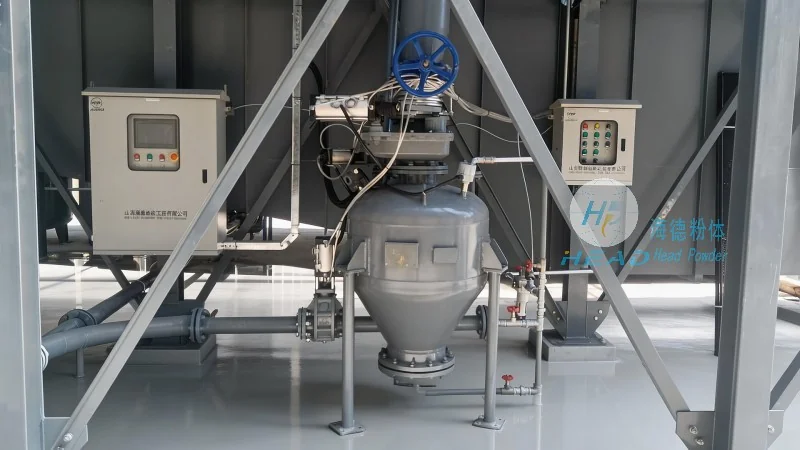
Control systems are integral to the operation of alumina particle handling systems, ensuring that all components work in harmony. Sensors such as level detectors, pressure gauges, and flow meters monitor key parameters, providing real-time data to the control unit. The control unit adjusts the speed of conveyors, the rotation speed of feeders, and the pressure in pneumatic systems to maintain optimal performance. This automation not only improves efficiency but also enhances safety by preventing overloading or blockages.
Key Features of Alumina Particle Material Handling Systems
Alumina particle handling systems are designed with several key features that address the challenges of handling abrasive, high-density materials. These features are critical for ensuring the longevity of equipment, energy efficiency, and environmental compliance. The following are the most notable characteristics:
1. **Durability and Wear Resistance**: Alumina particles are highly abrasive, which can quickly wear down conventional materials. To mitigate this, systems are constructed with wear-resistant components such as stainless steel, high-chrome white iron, or rubber liners. These materials are chosen for their ability to withstand repeated contact with alumina particles, reducing the need for frequent maintenance or replacement. For example, conveyor belts are often reinforced with steel cords to prevent tearing, and troughs are lined with rubber or plastic to minimize wear.
2. **Energy Efficiency**: Modern alumina handling systems prioritize energy savings without compromising performance. Variable frequency drives (VFDs) are commonly used in conveyors to adjust motor speed based on the load. This allows the system to operate at lower speeds during low-demand periods, reducing energy consumption. Additionally, efficient pneumatic systems use minimal air pressure, minimizing the energy required for particle transport. Some systems also incorporate regenerative air systems, where the air is recycled to reduce overall energy use.
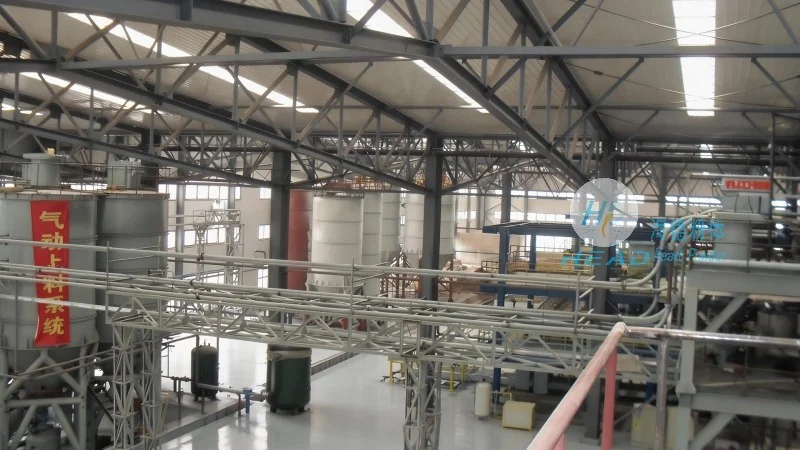
3. **Safety and Environmental Protection**: Handling alumina particles requires strict safety and environmental measures due to their potential health and environmental impacts. Systems are equipped with dust collection and filtration systems to prevent particle dispersion into the air, which can cause respiratory issues or environmental contamination. Enclosed designs and safety interlocks are also standard features, ensuring that operators are protected from exposure to dust or moving parts. Emergency stop buttons and overload protection are integrated to prevent accidents and equipment damage.
4. **Adaptability and Scalability**: Alumina handling systems are designed to be flexible and scalable to meet the evolving needs of industrial applications. Whether for small-scale laboratory use or large-scale production, the systems can be customized to handle varying particle sizes, flow rates, and operational conditions. Modular designs allow for easy expansion or modification, ensuring that the equipment remains effective as production scales up or processes change. This adaptability is particularly important in industries where product specifications or production volumes fluctuate.
5. **Reliability and Maintenance**: The reliability of alumina handling systems is crucial for maintaining continuous production. High-quality components and robust construction reduce the likelihood of breakdowns, minimizing downtime. Regular maintenance is also emphasized, with scheduled inspections and component replacements to ensure optimal performance. Some systems use predictive maintenance technologies, such as sensors that monitor vibration or temperature, to detect potential issues before they cause failures. This proactive approach extends the service life of the equipment and reduces long-term maintenance costs.
About Shandong HeadPowder Engineering Co., Ltd.
Shandong HeadPowder Engineering Co., Ltd., commonly known as HeadPowder, is a leading provider of alumina particle handling solutions. With a focus on innovation and quality, the company specializes in designing and manufacturing customized material handling systems tailored to the unique needs of its clients. HeadPowder's expertise lies in understanding the challenges of handling abrasive materials like alumina and developing solutions that enhance efficiency, safety, and durability. The company's products are widely used in industries such as ceramics, chemicals, and electronics, contributing to improved productivity and operational performance. HeadPowder is committed to providing reliable, high-performance solutions that meet the evolving demands of modern industry.




