Shandong HeadPowder Engineering Co., Ltd., a leading provider in the material handling industry, specializes in the design, manufacturing, and implementation of advanced material handling solutions. Based in Shandong, China, the company has established itself as a trusted partner for businesses seeking efficient and reliable material transport systems. This article delves into the working principle and key features of the positive pressure blowing material handling system, a technology that has revolutionized the way bulk materials are transported in various industrial applications.
Working Principle of Positive Pressure Blowing Material Handling Systems
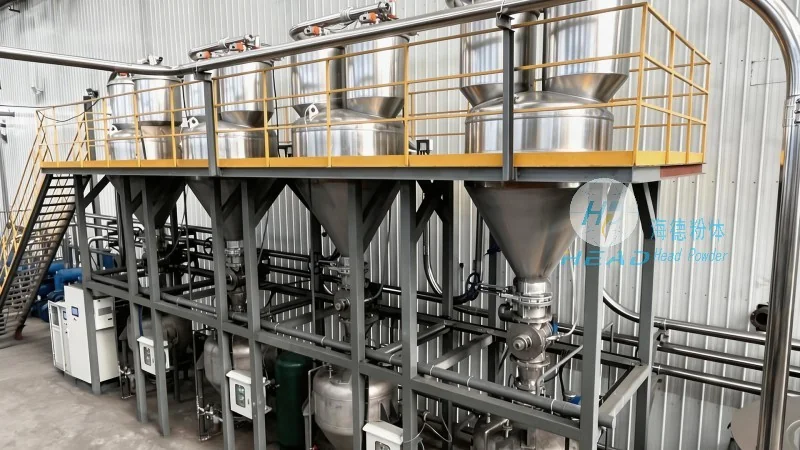
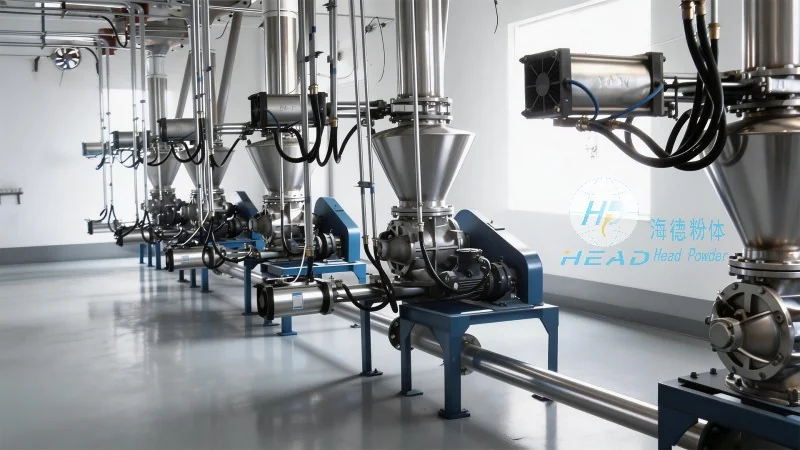
The positive pressure blowing material handling system operates on the principle of pressurizing a sealed pipe or duct with air or other gases to transport bulk materials. Unlike negative pressure systems that rely on suction, positive pressure systems push materials forward through the pipeline using compressed air. The process begins with the material being fed into the inlet of the system, where it is mixed with the pressurized air. As the air flows through the pipeline, it carries the material particles along, ensuring a continuous and controlled flow. The system typically includes components such as a material feeder, a blower or compressor, a pipeline network, and a discharge outlet. The blower maintains a consistent pressure within the system, preventing backflow and ensuring the material is transported efficiently to the desired location. The design of the system allows for the transportation of various materials, including powders, granules, and small particulates, over long distances with minimal loss and high efficiency.
Key Features of Positive Pressure Blowing Material Handling Systems
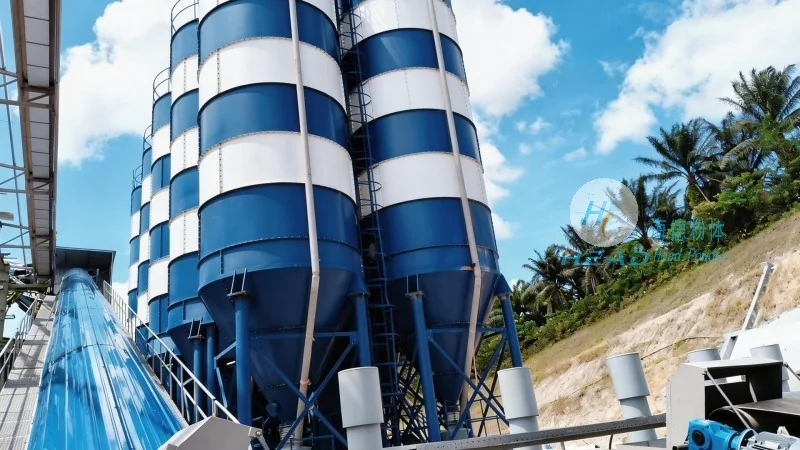
Positive pressure blowing material handling systems offer several distinct advantages that make them ideal for a wide range of industrial applications. One of the primary features is the ability to transport materials in a sealed environment, which helps maintain product integrity and prevents contamination from external factors. The sealed pipeline also reduces dust emissions and improves workplace safety, as the material is contained within the system rather than being exposed to the air. Another significant feature is the high efficiency in material transport, with the system capable of moving large volumes of material over long distances with minimal energy consumption. The positive pressure system also provides better control over the flow rate and direction of the material, allowing for precise delivery to specific locations. Additionally, the system is relatively simple in design and easy to maintain, with fewer moving parts compared to other material handling methods. This results in lower operational costs and reduced downtime for maintenance. The flexibility of the system also allows for easy integration with existing production lines and can be customized to meet specific operational requirements, such as varying material types or transport distances.
Advantages and Applications
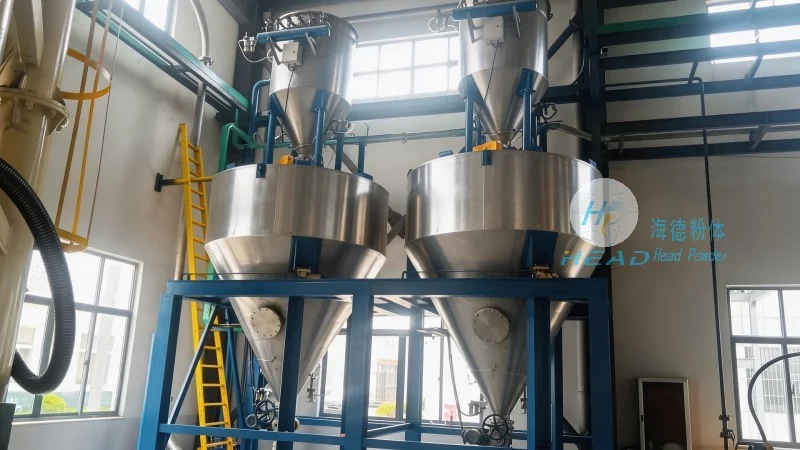
The positive pressure blowing material handling system is widely used in various industries due to its versatility and effectiveness. In the pharmaceutical industry, for example, the system is used to transport raw materials and finished products in a sterile environment, ensuring compliance with regulatory standards. In the food and beverage industry, the system is employed to handle powders and granules, maintaining product quality and preventing cross-contamination. The construction industry also benefits from this technology, as it can transport bulk materials like sand, gravel, and cement to job sites efficiently. The system's ability to handle a wide range of materials and its ability to operate in harsh environments make it a preferred choice for many businesses. Overall, the positive pressure blowing material handling system offers a reliable and efficient solution for material transport, contributing to increased productivity and reduced operational costs in various industrial settings.




