The white carbon black powder material handling system is a critical component in industrial processes, particularly in the production and processing of white carbon black, a widely used filler and reinforcing agent in various industries such as rubber, plastics, and coatings. This system is designed to efficiently transport white carbon black powder from storage to processing units, ensuring consistent quality and minimizing material loss. Understanding the working principle and key features of this system is essential for optimizing industrial operations and maintaining product integrity.
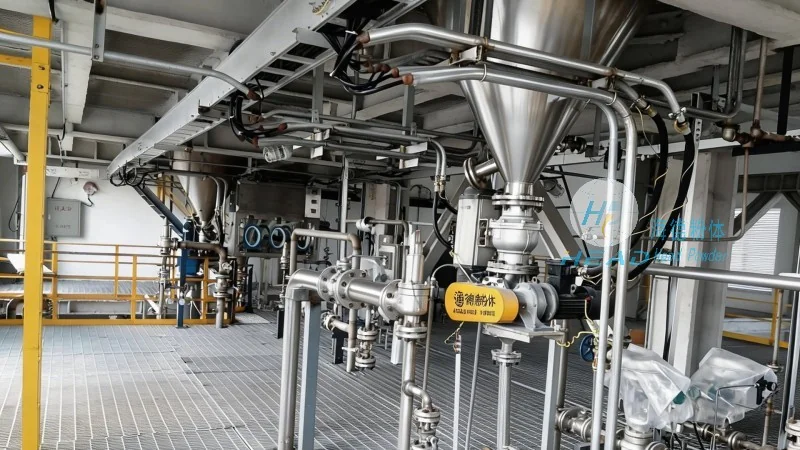
Working Principle of the White Carbon Black Powder Material Handling System
The core working principle of the white carbon black powder material handling system revolves around the use of specialized equipment to handle the unique properties of white carbon black powder. White carbon black is a fine, dry powder with a high surface area and low bulk density, which can lead to issues like dust generation and caking if not handled properly. The system typically includes components such as bulk material feeders, conveyor belts, pneumatic conveying systems, and storage silos. The process begins with the material being fed from a storage silo into a feeder, which regulates the flow rate to maintain a consistent supply. The feeder then transfers the powder to a conveyor system, which transports it to the processing unit. For systems requiring longer distances or complex routing, pneumatic conveying is employed, where the powder is transported through pipes using compressed air. This method ensures minimal dust exposure and efficient material transfer. The entire system is controlled by a programmable logic controller (PLC), which monitors and adjusts parameters like flow rate, pressure, and temperature to maintain optimal performance. The working principle is designed to address the challenges posed by white carbon black's fine particle size and hygroscopic nature, ensuring reliable and continuous operation.

Key Features of the White Carbon Black Powder Material Handling System
Several key features distinguish the white carbon black powder material handling system from conventional material handling solutions. First, the system incorporates dust suppression and filtration technologies to minimize environmental impact and protect personnel from respiratory hazards. White carbon black is a fine powder that can easily become airborne, and the system uses sealed containers and air filtration systems to contain dust. Second, the system is equipped with advanced material flow control mechanisms, such as rotary valves and vibratory feeders, which prevent material bridging and clogging in storage silos and conveyor lines. These features are crucial for maintaining consistent material flow and preventing system downtime. Third, the system offers flexibility in terms of material handling capacity and distance. It can be scaled to handle varying production volumes and can be extended to cover longer distances using pneumatic conveying, making it suitable for both small-scale and large-scale industrial applications. Fourth, the system is designed for easy maintenance and cleaning, with components that can be easily disassembled and cleaned to prevent contamination. This is particularly important in industries where product purity is critical, such as pharmaceuticals and food processing. Finally, the system integrates with existing industrial control systems, allowing for seamless integration into the overall production process. This integration enables real-time monitoring and control, enhancing operational efficiency and reducing the need for manual intervention.

Applications and Benefits in Industrial Settings
The white carbon black powder material handling system finds extensive applications in various industrial sectors, including the rubber and tire industry, plastic manufacturing, and coatings production. In the rubber industry, white carbon black is used as a reinforcing filler to improve the mechanical properties of rubber compounds. The material handling system ensures that the white carbon black is delivered to the mixing units in a consistent and controlled manner, which is essential for achieving uniform product quality. In the plastic industry, white carbon black is used to enhance the UV resistance and mechanical strength of plastic products. The system's ability to handle fine powders efficiently ensures that the plastic compounds are mixed with the correct amount of white carbon black, resulting in improved product performance. In the coatings industry, white carbon black is used to improve the opacity and durability of coatings. The system's dust suppression features are particularly important in this application, as they prevent dust from contaminating the coating process and ensure a clean working environment. The benefits of using this system extend beyond just efficient material transport. It also contributes to improved workplace safety by reducing dust exposure and minimizing the risk of material-related accidents. Additionally, the system's ability to maintain consistent material flow and quality helps in reducing production waste and improving overall operational efficiency. By addressing the unique challenges of handling white carbon black powder, this system enables industries to achieve higher productivity and product quality.




