Shandong HeadPowder Engineering Co., Ltd., a leading manufacturer based in Shandong, China, specializes in the design and production of advanced textile fiber material conveying systems. These systems are engineered to efficiently handle the transportation of various textile fibers, including cotton, polyester, and other synthetic materials, within industrial settings. The company's commitment to precision engineering ensures that each system meets the stringent requirements of modern textile manufacturing processes.
Working Principle of Textile Fiber Material Conveying Systems
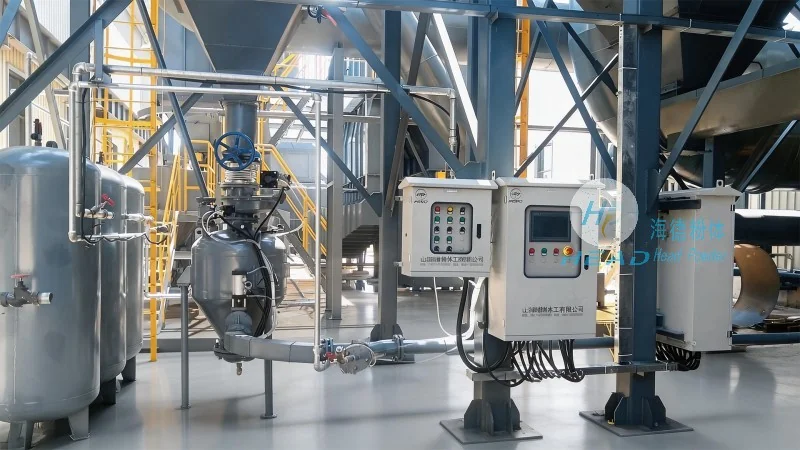
The textile fiber material conveying system operates on a combination of mechanical and pneumatic principles to ensure smooth and reliable material transport. At its core, the system typically consists of a series of components that work in tandem to move fibers from one processing stage to another. The primary mechanism involves the use of conveyor belts, screw conveyors, or air ducts, depending on the specific material and process requirements. For instance, in systems handling loose fibers, a screw conveyor may be employed to push the material forward through a rotating helical blade. In contrast, for finer fibers or powders, pneumatic conveying systems utilize air pressure to transport the material through a network of pipes, often with the assistance of cyclone separators to separate and collect the fibers at the destination point.
A key component in many textile fiber conveying systems is the feeding mechanism, which ensures consistent and controlled material input. This may involve hoppers or feeders that regulate the flow rate of fibers into the conveyor system, preventing overloading or blockages. The system also incorporates control valves and sensors to monitor the flow and adjust the operation in real-time, enhancing operational efficiency and reducing downtime. Additionally, the design of the conveying path is optimized to minimize material degradation and maintain the integrity of the fibers, which is crucial for maintaining the quality of the final textile products.
Key Features of Textile Fiber Material Conveying Systems
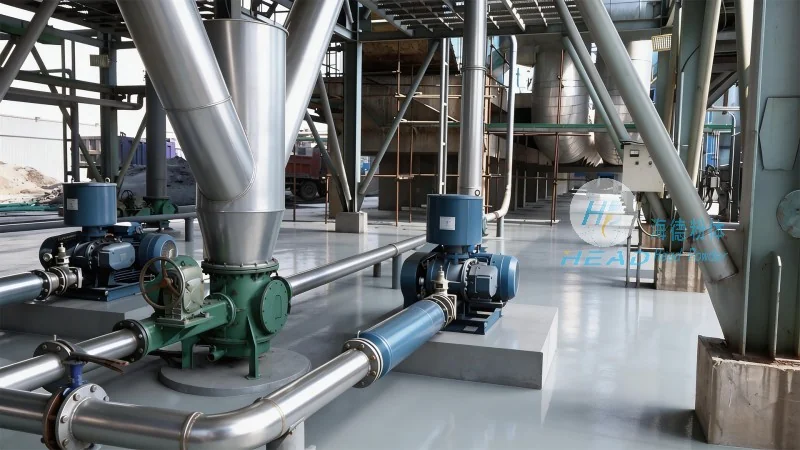
Shandong HeadPowder Engineering Co., Ltd.'s textile fiber material conveying systems are characterized by several distinctive features that set them apart in the industry. One of the most notable features is the high efficiency and reliability of the conveying process. The systems are engineered to handle large volumes of material with minimal energy consumption, making them cost-effective for long-term operation. This efficiency is achieved through the use of advanced materials and robust construction, ensuring that the components can withstand the rigors of continuous industrial use.
Another critical feature is the versatility of the systems, which can be customized to accommodate different types of textile fibers and processing requirements. Whether the application involves short fibers, long staple fibers, or synthetic blends, the conveying systems can be adapted to meet specific needs. This adaptability is facilitated by modular design components, allowing for easy integration of new features or modifications without major system overhauls.
The systems also prioritize safety and maintenance ease. Advanced safety features, such as overload protection and emergency stop mechanisms, are integrated to prevent accidents and ensure operator safety. Furthermore, the design of the components allows for easy access and maintenance, reducing the time and cost associated with routine upkeep. This focus on user-friendly maintenance contributes to the overall longevity and performance of the equipment.
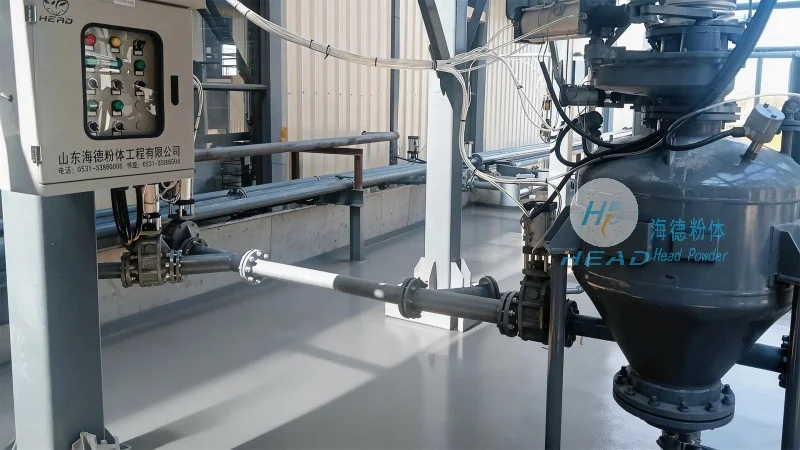
Environmental considerations are also a key feature of these systems. Many models incorporate dust collection and filtration systems to minimize airborne particulates, enhancing workplace safety and compliance with environmental regulations. The use of energy-efficient motors and optimized air flow further reduces the environmental impact, aligning with modern sustainability goals in the textile industry.
Applications and Benefits in Textile Manufacturing
The textile fiber material conveying systems developed by Shandong HeadPowder Engineering Co., Ltd. find extensive applications across various stages of textile production. From raw material handling and storage to processing and finishing, these systems play a vital role in streamlining operations and improving overall productivity. For example, in the initial stages of production, the system efficiently transports raw fibers from storage silos to the spinning machines, ensuring a consistent supply of material without interruptions.
During the processing stages, such as carding or combing, the conveying systems help in moving the fibers to the next processing unit, maintaining the flow of production. In finishing processes, the systems are used to transport dyed or treated fibers to drying or curing equipment, where the fibers are further processed to achieve the desired texture and color. The consistent and reliable transport of fibers at each stage contributes to the uniform quality of the final textile products.
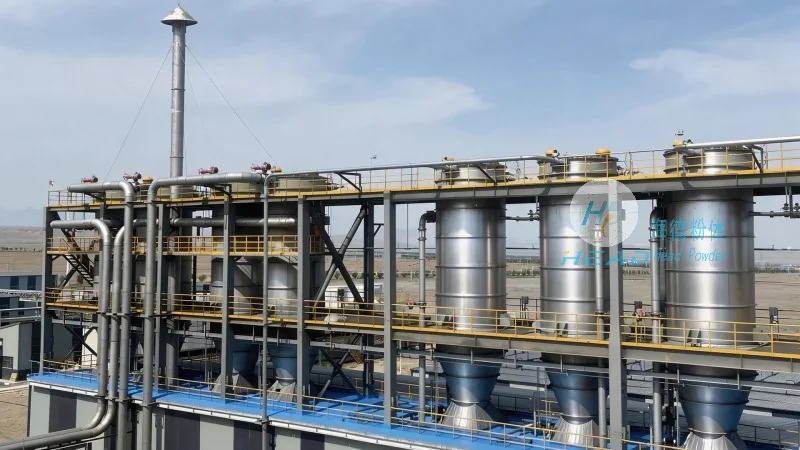
The benefits of implementing these conveying systems extend beyond operational efficiency. By reducing material handling time and minimizing waste, the systems help in lowering production costs. Additionally, the improved material flow and reduced downtime enhance the overall productivity of the textile manufacturing facility. The reliability of the systems also contributes to better product quality, as consistent material transport ensures that the fibers are processed under optimal conditions.
In summary, the textile fiber material conveying systems from Shandong HeadPowder Engineering Co., Ltd. represent a sophisticated solution for modern textile manufacturing. By combining advanced engineering principles with practical design features, these systems offer high efficiency, versatility, and reliability, making them an essential component in the production of high-quality textiles. The company's commitment to quality and innovation ensures that their systems continue to meet the evolving needs of the textile industry, providing long-term value to their clients.




