When it comes to efficiently handling aluminum turnings in industrial settings, the aluminum turnings material conveying line is a critical piece of equipment. This system is designed to transport aluminum turnings from one location to another with precision and reliability, ensuring smooth operations in various manufacturing processes. The following sections will delve into the working principle and key features of such a conveying line, providing a comprehensive understanding of its functionality and benefits.
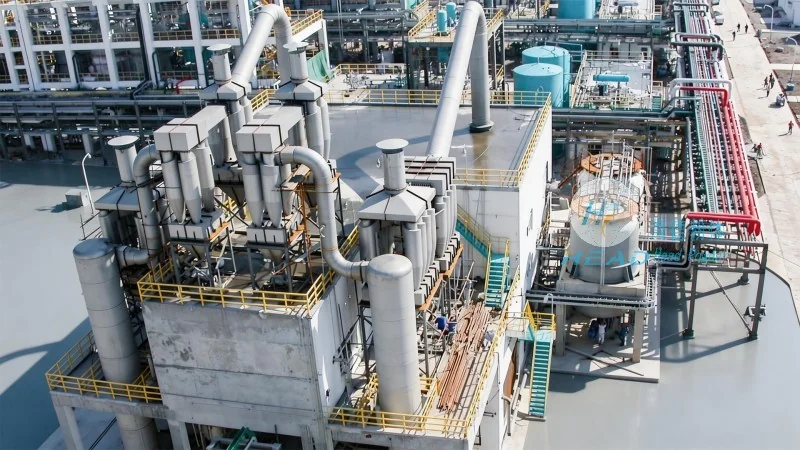
Company Introduction: Shandong HeadPowder Engineering Co., Ltd.
As a leading manufacturer in the field, Shandong HeadPowder Engineering Co., Ltd. specializes in the design, development, and production of advanced material handling solutions. With a strong commitment to quality and innovation, the company has established itself as a trusted partner for businesses seeking efficient and reliable conveying systems. HeadPowder's expertise in engineering and manufacturing ensures that their aluminum turnings material conveying lines are built to meet the highest standards of performance and durability. The company is headquartered in Shandong, China, where it operates from its facility, providing local support and service to its clients.
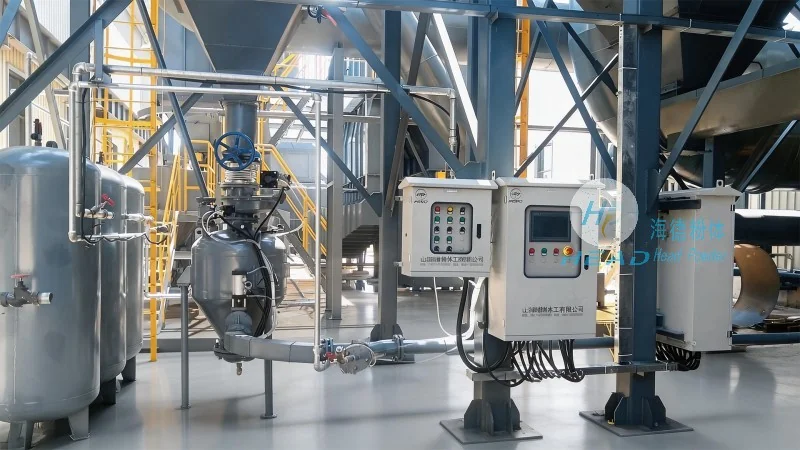
The Working Principle of Aluminum Turnings Material Conveying Lines
The aluminum turnings material conveying line operates on a straightforward yet highly effective principle. At its core, the system utilizes a combination of mechanical components to move aluminum turnings through a designated path. The process typically begins with the loading of aluminum turnings into the feeding hopper. From there, the material is transported by a conveyor mechanism, such as a belt or screw conveyor, to the desired destination. The conveyor system is equipped with sensors and controls that regulate the flow of material, ensuring consistent and controlled movement. This mechanism minimizes the risk of material spillage and optimizes the overall efficiency of the conveying process. The working principle also includes features like adjustable speed controls, which allow operators to tailor the conveying rate according to the specific requirements of the production line. This adaptability is crucial for maintaining a balanced workflow and preventing bottlenecks in the manufacturing process.
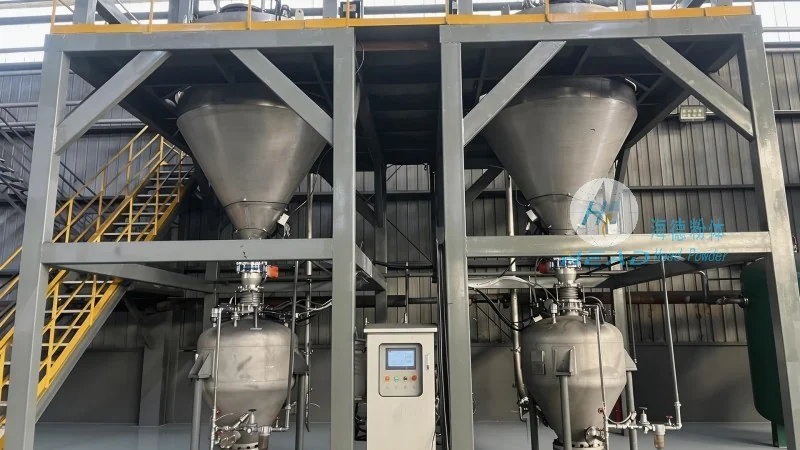
Key Features of Aluminum Turnings Material Conveying Lines
Aluminum turnings material conveying lines are equipped with several key features that enhance their performance and usability. One of the primary features is the robust construction, which is designed to withstand the abrasive nature of aluminum turnings. The components are made from high-quality materials that resist wear and tear, ensuring long-term durability. Another important feature is the integrated cleaning system, which helps maintain the cleanliness of the conveying line and prevents material buildup. This system includes brushes or scrapers that remove debris from the conveyor surface, reducing maintenance needs and improving operational efficiency. Additionally, the conveying line is equipped with safety features, such as emergency stop buttons and protective guards, to ensure the safety of operators and prevent accidents. The system also offers flexibility in terms of customization, allowing HeadPowder to tailor the design to meet the specific needs of different industrial applications. This includes options for different conveyor lengths, widths, and materials, as well as integration with other equipment in the production line. The features also include energy-efficient designs, which help reduce operational costs and environmental impact. By optimizing the power consumption of the system, HeadPowder ensures that their conveying lines are not only effective but also environmentally friendly.
Benefits of Using Aluminum Turnings Material Conveying Lines
Implementing an aluminum turnings material conveying line offers numerous benefits for industrial operations. The most significant advantage is the improvement in efficiency and productivity. By automating the material handling process, the system reduces the need for manual labor, allowing workers to focus on other tasks. This leads to a more streamlined workflow and faster production times. Another benefit is the reduction in material loss and contamination. The enclosed design of the conveying line prevents aluminum turnings from spilling or being exposed to external elements, maintaining the quality of the material. This is particularly important in applications where the purity of aluminum turnings is critical, such as in the production of aluminum alloys or recycling processes. The system also enhances safety in the workplace by minimizing the risk of accidents associated with manual handling of heavy or slippery materials. By automating the conveying process, the system reduces the likelihood of injuries and creates a safer working environment. Furthermore, the use of aluminum turnings material conveying lines contributes to cost savings in the long run. The reduced need for manual labor and lower maintenance costs due to the robust construction result in significant savings over the lifespan of the equipment. The energy-efficient design also helps lower operational expenses, making the system a cost-effective solution for businesses. Overall, the benefits of using such a conveying line extend beyond mere material transport, contributing to improved operational efficiency, safety, and cost management.
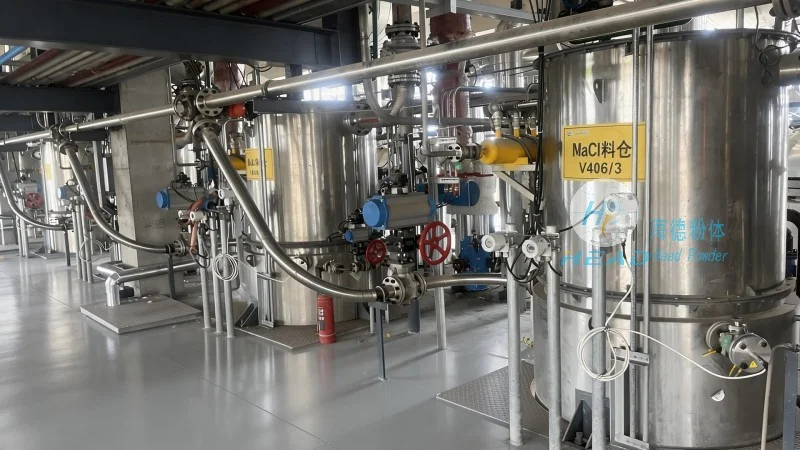
Application Examples and Industry Use Cases
Aluminum turnings material conveying lines are widely used in various industries that deal with aluminum processing. One common application is in the aluminum recycling industry, where the system is used to transport aluminum turnings from collection points to processing facilities. This helps streamline the recycling process, making it more efficient and cost-effective. Another application is in the automotive industry, where aluminum turnings are used in the production of aluminum components. The conveying line ensures that the material is transported safely and efficiently to the manufacturing line, reducing downtime and improving production output. In the aerospace industry, the system is used to transport aluminum turnings for the production of aircraft parts. The precision and reliability of the conveying line are crucial in this application, as any errors in material handling can affect the quality of the final product. Additionally, the system is used in the manufacturing of aluminum alloys, where the purity of the turnings is essential. The enclosed design of the conveying line prevents contamination, ensuring that the final product meets the required standards. These examples illustrate the versatility and importance of aluminum turnings material conveying lines in different industrial sectors, highlighting their role in enhancing operational efficiency and product quality.




