Shandong HeadPowder Engineering Co., Ltd., a leading enterprise in the field of powder processing and material handling, specializes in the design, manufacturing, and installation of advanced pneumatic conveying systems. The company, commonly known as headpowder, is headquartered in Shandong, China, and has established a strong reputation for delivering high-quality solutions tailored to the specific needs of various industries. This article explores the fundamental principles behind the pearl salt granule pneumatic conveying system and highlights the key characteristics of its operational scenarios.
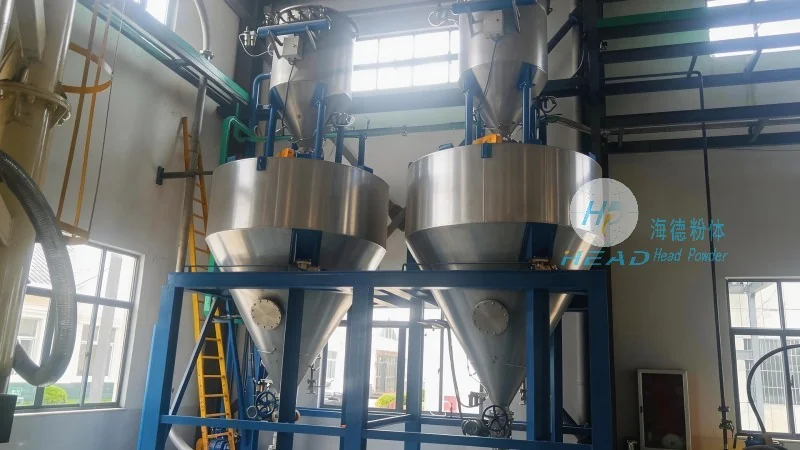
Principle of Pneumatic Conveying for Pearl Salt Granules
The core principle of the pearl salt granule pneumatic conveying system is the utilization of air flow to transport granular materials. In this system, a fan or blower generates a high-pressure air stream that moves through a pipeline. The pearl salt granules are introduced into the pipeline, typically at a feeding point, and are entrained by the air flow. The air and granules form a mixture known as a "conveying stream," which travels through the pipeline to the discharge point. The system relies on the balance between the air velocity and the particle size, density, and shape to ensure efficient and stable transport. The design of the system, including the type of air mover, pipeline configuration, and feeding mechanisms, is crucial for optimizing the conveying performance and minimizing issues such as blockages or material degradation.
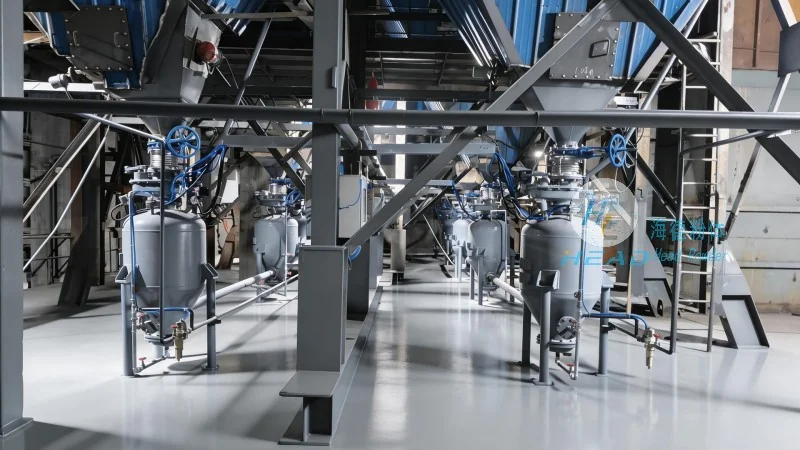
Key Working Scene Characteristics
The operational characteristics of the pearl salt granule pneumatic conveying system are tailored to the specific demands of industrial applications. One of the primary advantages is its ability to handle fine to medium-sized granules, such as pearl salt, with high efficiency. The system is particularly suitable for applications where traditional mechanical conveyors may face challenges, such as the need to transport materials over long distances or through complex layouts. The pneumatic conveying process is also characterized by its flexibility in terms of layout and integration with other processing equipment. For instance, the system can be configured to connect multiple production lines or storage silos, enabling seamless material flow within a facility. Additionally, the system offers advantages in terms of hygiene and contamination control, which is critical for food-grade applications like pearl salt processing. The enclosed pipeline design prevents dust exposure and maintains a clean environment, ensuring compliance with industry standards and regulations.
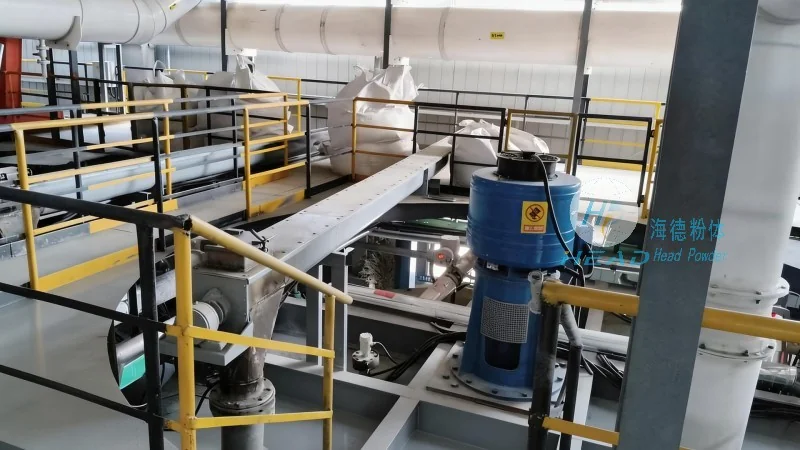
Efficiency and Performance in Industrial Settings
In industrial settings, the efficiency of the pearl salt granule pneumatic conveying system is a key factor in overall production productivity. The system is designed to minimize downtime and maximize throughput. The air flow velocity is carefully controlled to ensure that the granules are fully entrained without causing excessive wear on the pipeline or equipment. This balance leads to a consistent and reliable conveying rate, which is essential for maintaining production schedules. Furthermore, the system's ability to handle varying particle sizes and moisture content makes it adaptable to different production stages. For example, during the initial processing of pearl salt, where the granules may be coarser or have higher moisture levels, the system can be adjusted to accommodate these variations without compromising performance. The integration of sensors and monitoring systems in modern pneumatic conveying systems allows for real-time performance tracking, enabling operators to quickly identify and address any issues that may arise, thereby enhancing overall operational efficiency.
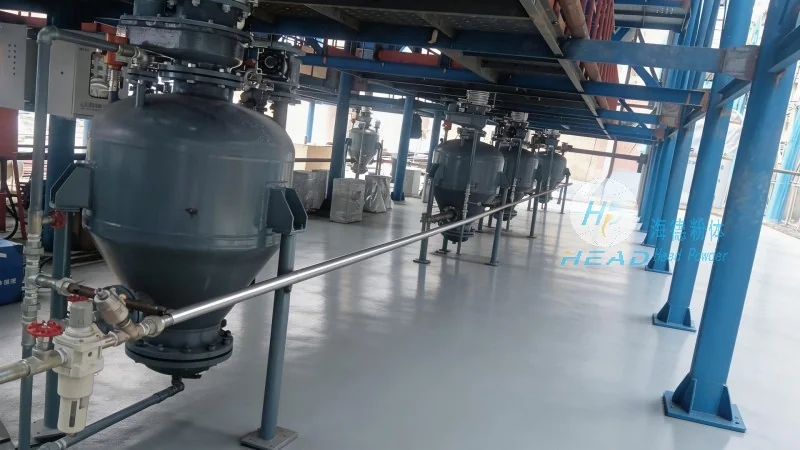
Applications and Industry Integration
The pearl salt granule pneumatic conveying system finds widespread application in various industries, including food processing, chemical manufacturing, and pharmaceuticals. In the food industry, the system is used to transport pearl salt from storage silos to production lines, ensuring a hygienic and efficient supply chain. The enclosed design and gentle handling of the granules help maintain product quality and prevent contamination, which is paramount in food processing. In chemical manufacturing, the system is employed to transport raw materials and finished products, contributing to the smooth operation of production processes. The system's ability to handle abrasive or corrosive materials, such as certain types of salts or chemicals, makes it a versatile solution for a range of industrial applications. By integrating the pneumatic conveying system with other processing equipment, such as mixers, classifiers, or packaging machines, manufacturers can achieve a streamlined workflow, reducing manual handling and improving overall productivity.




