Biomass pellet pneumatic conveying systems represent a sophisticated method for transporting biomass pellets, a key renewable energy resource, from one location to another. These systems utilize the principles of pneumatic transport, where air or gas is used to move solid particles through a pipeline. The technology is particularly effective for biomass pellets, which are often used in biomass power plants, biomass boilers, and other industrial applications that rely on consistent and efficient material handling. The system's design and operation are tailored to handle the specific characteristics of biomass pellets, such as their size, density, and moisture content, ensuring optimal performance and minimal material degradation.
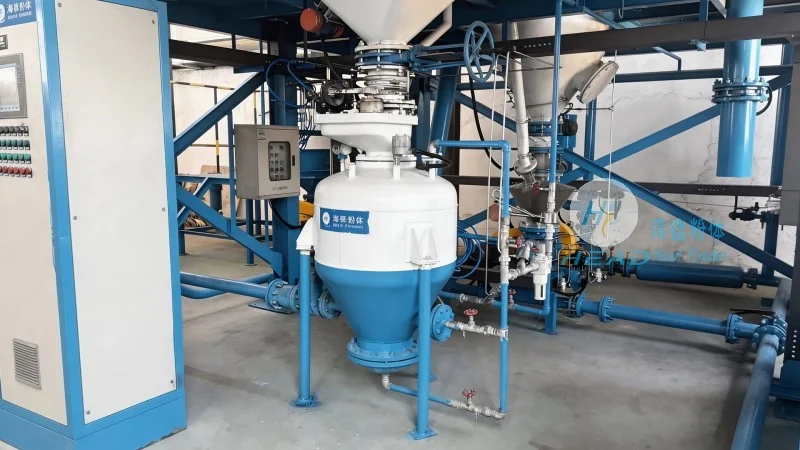
Principles of Pneumatic Conveying for Biomass Pellets
The core principle of biomass pellet pneumatic conveying involves creating a flow of air or gas within a pipeline to entrain and transport the pellets. There are primarily two types of pneumatic conveying systems: dilute-phase and dense-phase. Dilute-phase systems operate at higher air velocities, typically moving particles in a dispersed state, suitable for shorter distances and lower material loads. Dense-phase systems, on the other hand, use lower air velocities and higher material concentrations, which is ideal for longer distances and more delicate materials like biomass pellets, as it reduces the risk of particle breakage and system wear. The system components include a hopper for material storage, a feeder to control the flow rate, a blower or compressor to generate the air flow, and a pipeline network that transports the pellets to the destination. The control system ensures precise regulation of air pressure, flow rate, and material feed, maintaining consistent performance and preventing system overload or blockages.
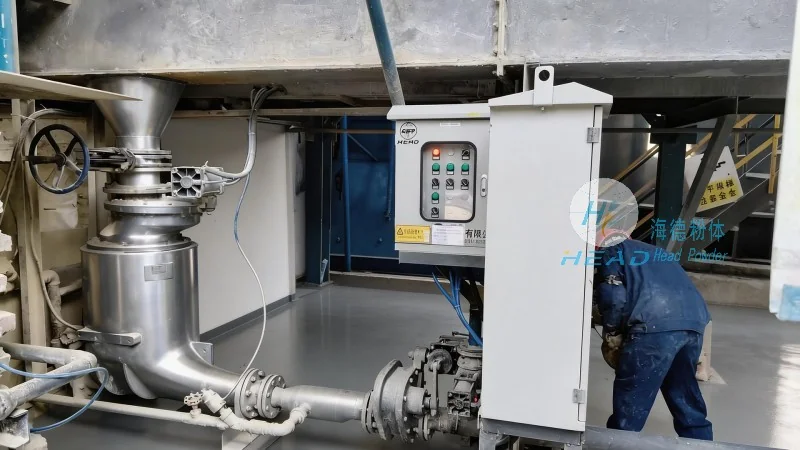
Working Scene Characteristics of Biomass Pellet Pneumatic Conveying Systems
The working scene characteristics of biomass pellet pneumatic conveying systems are influenced by several factors, including the application environment, material properties, and system design. In industrial settings, such as biomass power plants, these systems are typically used to transport biomass pellets from storage silos to the boiler or processing units. The key characteristics include high efficiency in material handling, with the ability to transport large volumes of pellets over significant distances without the need for mechanical conveyors. This reduces labor costs and operational complexity compared to traditional methods like belt conveyors or bucket elevators. Another important characteristic is the system's adaptability to different pellet sizes and moisture levels, making it suitable for various biomass sources, including wood chips, agricultural residues, and dedicated energy crops. The system's ability to operate in both indoor and outdoor environments, with appropriate weatherproofing and dust control measures, makes it versatile for different industrial applications. Additionally, the system's low maintenance requirements and energy efficiency contribute to its cost-effectiveness, especially in long-term operations.
Application Examples and Operational Scenarios
Real-world applications of biomass pellet pneumatic conveying systems illustrate their versatility and effectiveness in various operational scenarios. For instance, in a biomass power plant, the system may be used to transport biomass pellets from a storage silo to the boiler furnace, where they are burned to generate electricity. The system's ability to handle large volumes of pellets at a consistent rate ensures a steady fuel supply, which is critical for maintaining the plant's operational efficiency. In another scenario, a biomass boiler in a district heating system may use a pneumatic conveying system to transport pellets from a storage facility to the boiler, providing a reliable and sustainable heat source for residential and commercial buildings. The system's design can be customized to fit the specific layout of the facility, with pipelines routed along the building or through underground tunnels to minimize space requirements. In agricultural settings, such as a biomass processing plant, the system may be used to transport pellets from a processing line to a storage silo or a delivery truck, facilitating the efficient handling of biomass residues from crops like corn or wheat. The operational scenarios also include the use of the system in remote or challenging environments, where traditional conveyors may not be feasible due to terrain or space constraints. The system's ability to operate in such conditions, with robust components and reliable control systems, makes it a preferred choice for many biomass handling applications.
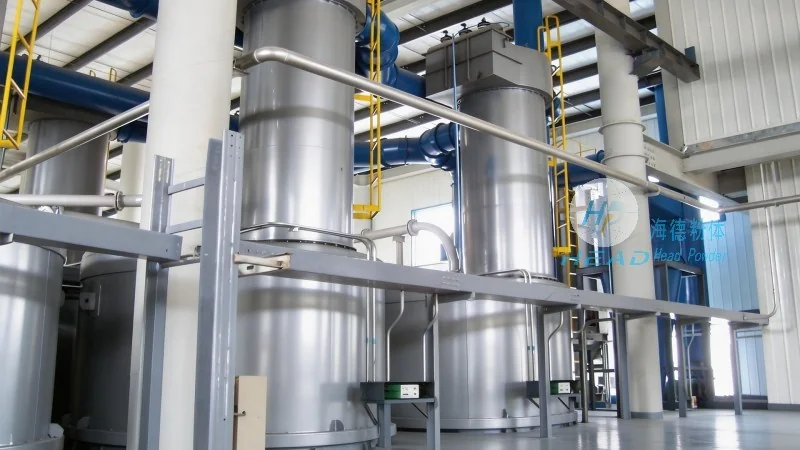
Advantages and Considerations in Biomass Pellet Pneumatic Conveying
When evaluating biomass pellet pneumatic conveying systems, several advantages and considerations are important to consider. The primary advantages include high efficiency in material transport, reduced labor and maintenance costs compared to traditional methods, and the ability to handle large volumes of pellets over long distances. The system also offers flexibility in terms of layout and integration with existing infrastructure, as the pipelines can be easily routed to connect different parts of the facility. However, there are also considerations to keep in mind, such as the initial investment cost, which can be higher than other conveyor systems, and the need for proper air filtration and dust control to comply with environmental regulations. The system's performance is also dependent on the quality of the biomass pellets, as poor quality or high moisture content can lead to system blockages or increased wear. Additionally, the system requires regular maintenance, including cleaning of the pipeline and replacement of worn components, to ensure long-term reliability. Despite these considerations, the overall benefits of biomass pellet pneumatic conveying systems make them a popular choice for many industrial applications, especially those that require efficient and reliable material handling of biomass pellets.




