HeadPowder, a leading provider of powder handling solutions, specializes in the design and implementation of fully automatic powder transport systems. These systems are engineered to efficiently manage the movement of bulk powders in various industrial settings, ensuring precision, reliability, and operational efficiency. This article explores the underlying principles of such systems and highlights key application scenarios where their capabilities are most beneficial.
Understanding the Core Principles of Fully Automatic Powder Handling
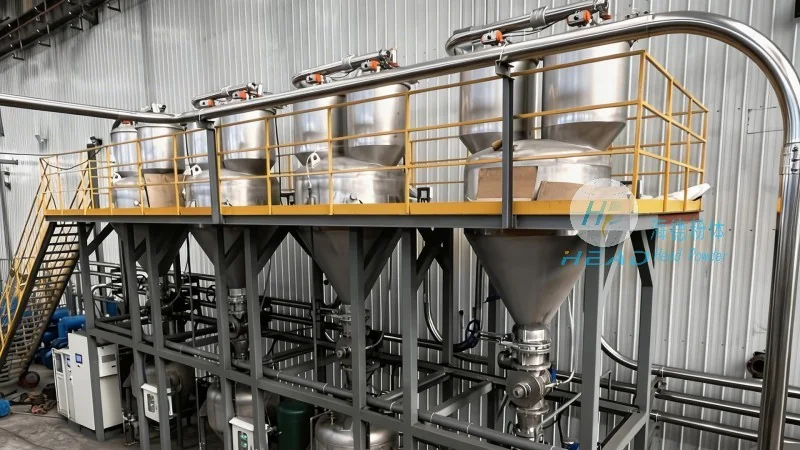
The foundation of fully automatic powder transport systems lies in a combination of advanced engineering, precise control mechanisms, and robust material handling components. At the heart of these systems is a closed-loop control system that integrates sensors, actuators, and processing units to monitor and regulate the flow of powders. This automation eliminates manual intervention, reducing human error and enhancing process consistency. The system typically comprises several key components, including feeders, conveyors, storage silos, and control panels, all interconnected to form a seamless workflow. Feeders, such as rotary or vibratory types, are used to meter and release powders at controlled rates, while conveyors—like pneumatic or mechanical systems—transport the material from one location to another. Storage silos ensure a steady supply of material, and the control panel manages the entire operation, adjusting parameters based on real-time data from sensors. This integrated approach allows for dynamic adjustments to the process, adapting to changes in material properties or production demands.
Key Working Scenarios and Industry Applications
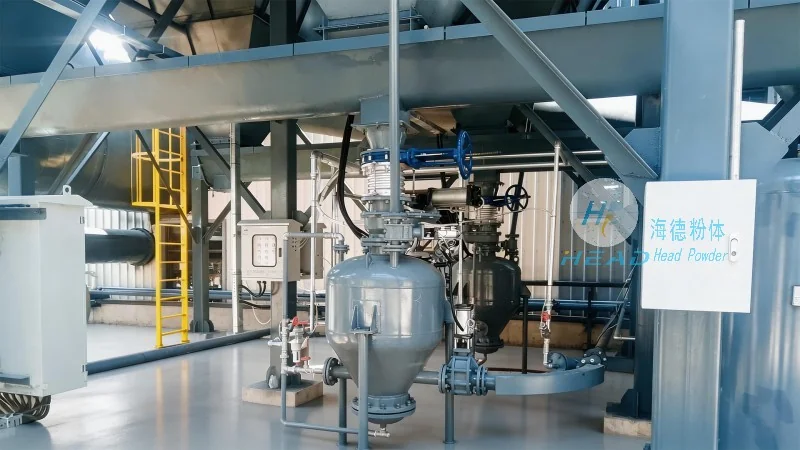
Fully automatic powder handling systems are deployed across a wide range of industries, each with unique requirements that the technology addresses effectively. In the chemical industry, for instance, these systems are crucial for transporting reactive powders, ensuring that the process remains safe and compliant with regulatory standards. The precision of the automated feeders and conveyors minimizes the risk of contamination or overmixing, which is critical in pharmaceutical and food processing applications. The pharmaceutical sector, in particular, demands high levels of cleanliness and sterility, making fully automated systems ideal for handling active pharmaceutical ingredients (APIs) and excipients. These systems can be integrated with sterile environments, reducing the need for manual handling and maintaining product integrity. In the food industry, the focus is on hygiene and product quality, with fully automatic powder transport systems helping to prevent cross-contamination and ensure consistent ingredient distribution in food production lines. The mechanical and construction industries also benefit from these systems, where bulk materials like cement, sand, and aggregates are efficiently moved to construction sites or storage areas. The automation reduces labor costs and improves the speed of material delivery, contributing to faster project timelines. Additionally, in the agricultural sector, fully automatic powder handling systems are used to transport fertilizers and other agricultural inputs, optimizing the distribution process and supporting efficient farming operations.
Advantages of Implementing Fully Automatic Powder Transport Solutions
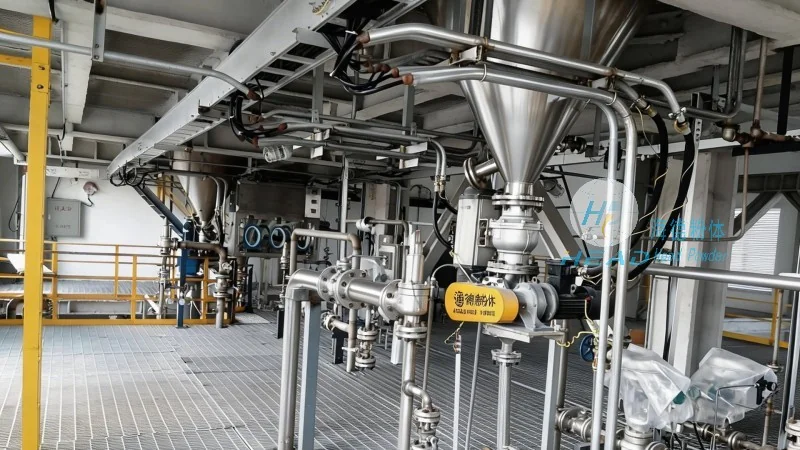
Adopting fully automatic powder handling systems offers numerous advantages that enhance operational performance and reduce costs. One of the primary benefits is increased efficiency and productivity. By automating the material transport process, companies can achieve higher throughput rates compared to manual methods, as the systems operate continuously without the need for breaks or rest periods. This leads to shorter production cycles and improved overall productivity. Another significant advantage is improved accuracy and consistency. The automated control systems ensure that the flow rate and quantity of powders are maintained within tight tolerances, reducing variations that can affect product quality. This consistency is particularly important in industries where precise dosing is critical, such as in pharmaceutical manufacturing or chemical processing. Furthermore, fully automatic systems enhance safety by minimizing human exposure to hazardous materials. The closed-loop design and enclosed transport pathways prevent dust emissions and reduce the risk of accidents, creating a safer working environment. This is especially beneficial in industries dealing with toxic or reactive powders, where manual handling poses significant health risks. The systems also contribute to cost savings through reduced labor requirements and lower maintenance costs. With fewer manual operations, the need for additional personnel is reduced, and the automated components are designed for durability, requiring less frequent maintenance compared to traditional manual systems. Additionally, the ability to integrate with existing production lines allows for seamless upgrades, enabling companies to adapt to changing production needs without major overhauls.
Conclusion: The Role of Fully Automatic Powder Handling in Modern Manufacturing
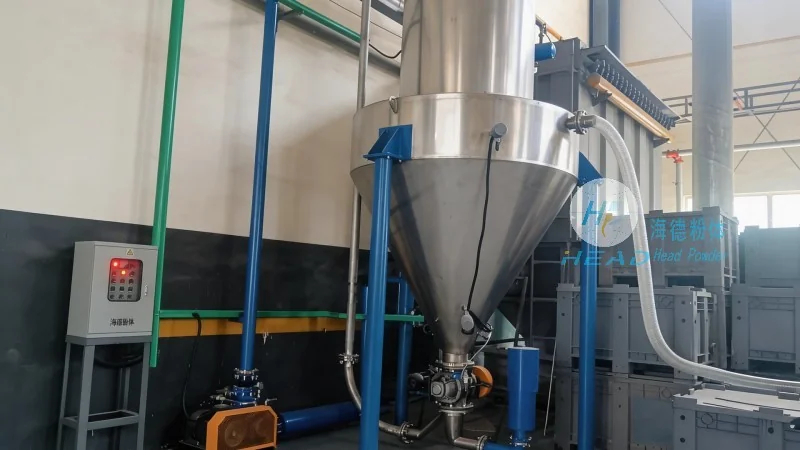
As industries continue to evolve and demand higher levels of efficiency and precision, fully automatic powder handling systems have become indispensable in modern manufacturing. These systems, developed by companies like Shandong HeadPowder Engineering Co., Ltd. based in China, provide a reliable and efficient solution for managing bulk powders across various applications. By leveraging advanced control technologies and robust engineering, these systems ensure that material transport is carried out with minimal human intervention, maximizing productivity while maintaining product quality and safety. The application scenarios highlighted in this article demonstrate the versatility and adaptability of fully automatic powder handling solutions, making them a valuable asset for businesses operating in diverse industrial sectors. As technology advances, these systems are expected to become even more sophisticated, integrating with artificial intelligence and IoT technologies to further optimize material handling processes. The future of powder transport lies in automation, and fully automatic systems are at the forefront of this evolution, driving efficiency and innovation in industrial operations.




