Chromium(III) oxide, a critical industrial material, often requires efficient and reliable transportation methods to move it from one processing stage to another. The pneumatic conveying system, as an advanced solution, offers a robust method for handling such materials. This article delves into the fundamental principles of such systems and highlights the key working scene characteristics that make them suitable for various industrial applications.
Principle of Pneumatic Conveying
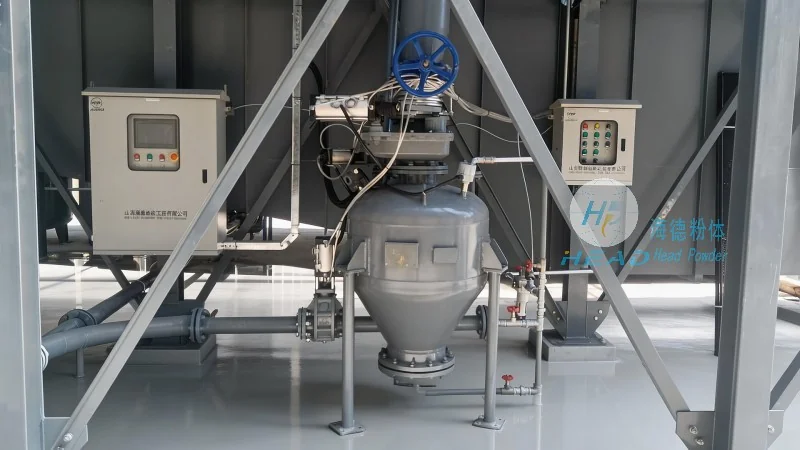
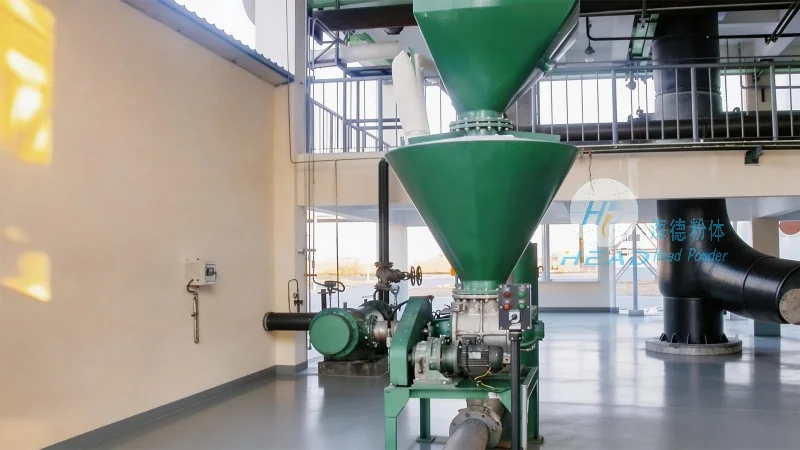
The core principle of a pneumatic conveying system involves the use of air or gas to transport bulk materials through a pipeline. In the case of chromium(III) oxide, the system typically operates under pressure, where a fan or blower generates airflow that propels the material particles. The system consists of several components, including a hopper for material storage, a conveyor line, and a receiver for the discharged material. The process begins with the material being fed into the hopper, where it is then drawn into the conveyor line by the moving air. The velocity and pressure of the air are carefully controlled to ensure the material is transported without degradation or blockage. This method eliminates the need for mechanical components like belts or screws, reducing maintenance and increasing safety in handling potentially hazardous materials like chromium(III) oxide.
Key Working Scene Characteristics
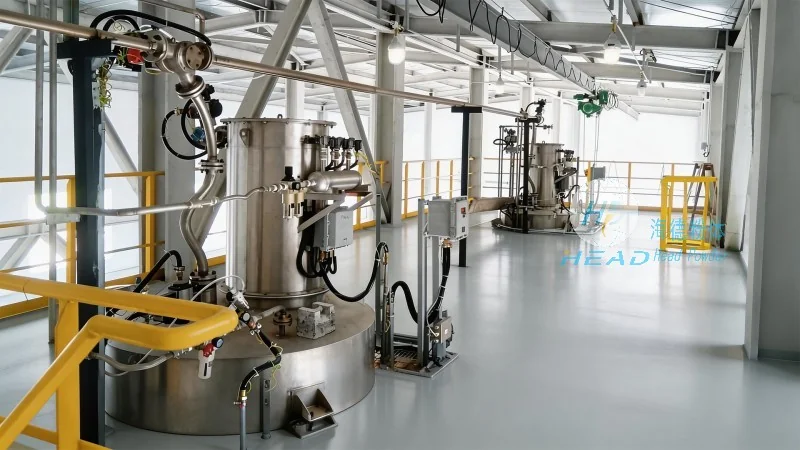
The working scene characteristics of chromium(III) oxide pneumatic conveying systems are tailored to meet the demands of industrial environments. One of the primary advantages is the ability to handle fine powders, which are common in chromium(III) oxide applications. The system’s design minimizes dust generation and exposure, adhering to safety standards for handling toxic or reactive materials. Additionally, the system’s flexibility allows for integration into existing production lines, enabling seamless material transfer between processes such as mixing, drying, and packaging. The working environment is typically controlled to maintain consistent air quality and temperature, ensuring the material remains stable and free from contamination. In industrial settings, these systems are often used in conjunction with other equipment, such as reactors or filters, to form a comprehensive material handling solution. The efficiency of the system is further enhanced by its ability to handle high volumes of material with minimal downtime, making it a preferred choice for continuous production operations.
Application Scenarios
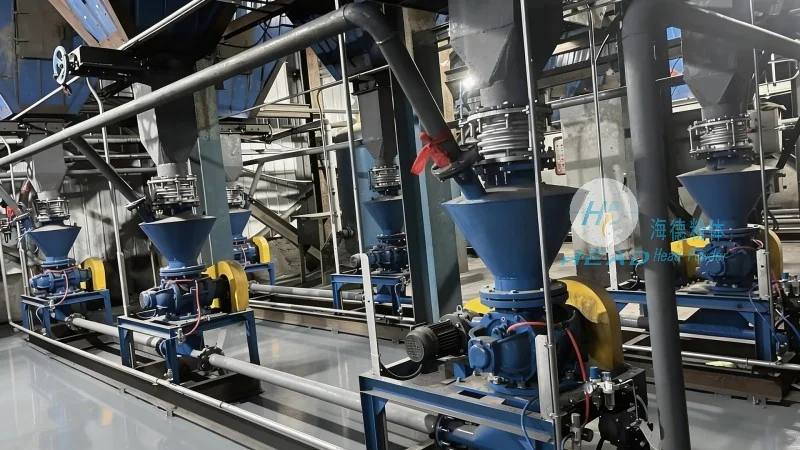
Chromium(III) oxide pneumatic conveying systems are widely employed in various industrial sectors. In the chemical industry, they are used to transport the material between reactors and storage tanks, ensuring a smooth flow of raw materials. The automotive industry also benefits from these systems, as chromium(III) oxide is used in coating processes for metal parts. Additionally, in the electronics industry, the material is utilized in the production of catalysts and pigments, where precise material handling is crucial. The working scene characteristics, such as low maintenance and high reliability, make these systems suitable for long-term, continuous operations in these sectors. The systems are also adaptable to different production scales, from small-scale laboratory applications to large-scale industrial plants, providing flexibility in meeting varying production demands.




