Principles and Application Scenarios of Intelligent Powder Conveying Machines
Release time:2026-09-19 06:01:29
name of the company:Shandong Headpowder Engineering Co., Ltd.
telephone:156-6277-7102
contacts:Zhang manager
Intelligent powder conveying systems represent a significant advancement in material handling technology, particularly for industries dealing with bulk powders. These systems integrate advanced control mechanisms, sensors, and automation to enhance efficiency, safety, and precision in transporting powders from one location to another. The core principle behind these systems lies in the combination of mechanical components and intelligent software that work in tandem to optimize the conveying process. By leveraging real-time data and predictive analytics, modern intelligent powder conveyors can adapt to varying material properties and operational conditions, ensuring consistent performance and minimal downtime.
Key Working Principles of Intelligent Powder Conveying Machines
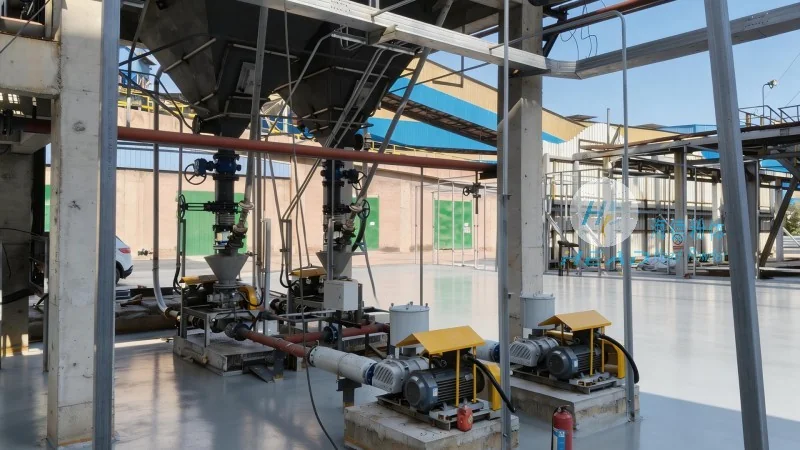
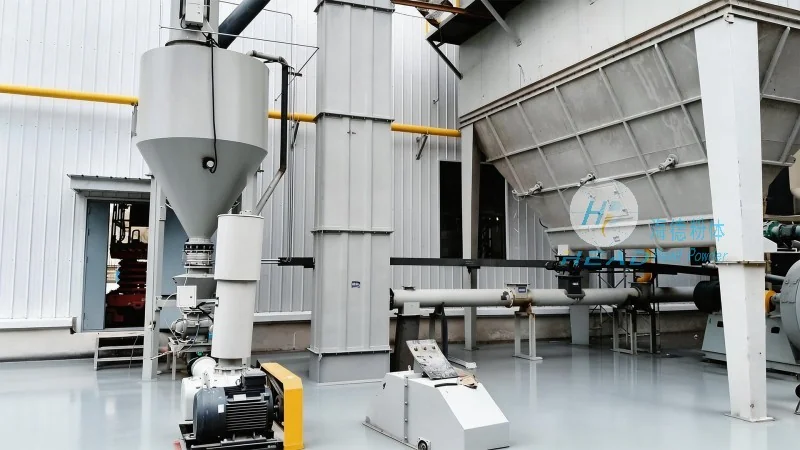
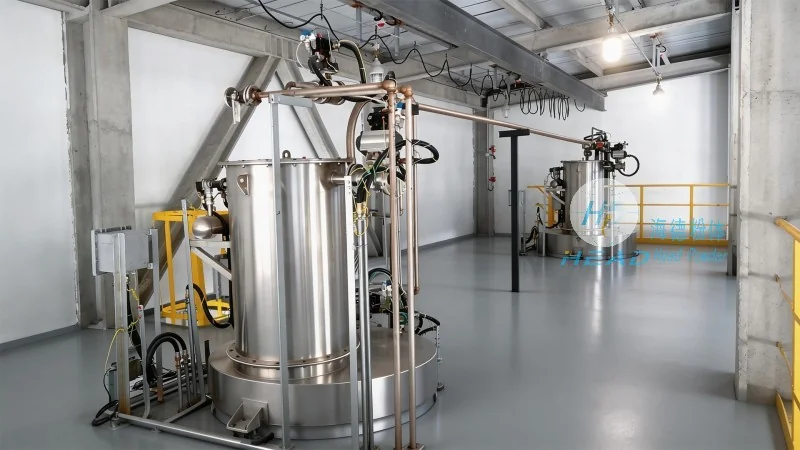
The fundamental working principle of intelligent powder conveying machines involves the use of a combination of components such as feeders, conveyors, and control units. The process typically begins with the material being fed into the system, where it is then transported through a pipeline or other conveying path. Advanced sensors are integrated throughout the system to monitor parameters like flow rate, pressure, and temperature. These sensors feed data to a central control unit, which processes the information and adjusts the system's operation accordingly. For instance, if the flow rate of the powder decreases, the control unit may increase the speed of the conveyor or adjust the feeder's output to maintain a consistent flow. This closed-loop control system ensures that the conveying process remains stable and efficient under varying conditions. Additionally, intelligent powder conveyors often incorporate features like automatic cleaning and maintenance alerts, further enhancing operational reliability and reducing maintenance costs.
Application Scenarios of Intelligent Powder Conveying Systems
Intelligent powder conveying systems find extensive applications across various industries, including pharmaceuticals, food processing, chemical manufacturing, and mining. In the pharmaceutical industry, these systems are crucial for handling active pharmaceutical ingredients (APIs) and other sensitive powders, where contamination control and precise dosing are paramount. The intelligent features allow for precise control over the amount of powder being conveyed, reducing waste and ensuring compliance with regulatory standards. In the food industry, similar systems are used to transport ingredients like flour, sugar, and spices, maintaining hygiene and preventing cross-contamination. The ability to adjust the conveying speed and volume in real-time helps in meeting the varying production demands without compromising quality. In chemical manufacturing, these systems handle a wide range of powders, from raw materials to finished products, ensuring safe and efficient handling of potentially hazardous substances. The advanced control features also help in preventing dust explosions by maintaining proper airflow and pressure within the system. Furthermore, in mining and mineral processing, intelligent powder conveyors are used to transport raw ores and processed materials, improving the overall efficiency of the extraction and processing operations.




