White bean slices are a fundamental component in many food products, and the efficiency of material conveying systems is critical to the smooth operation of processing lines. The principles and working scene characteristics of white bean slice material conveying are essential for ensuring product quality, maintaining production efficiency, and meeting the demands of modern processing industries. This article delves into the core principles behind white bean slice material conveying and highlights the key features of working scenarios where such systems are applied.
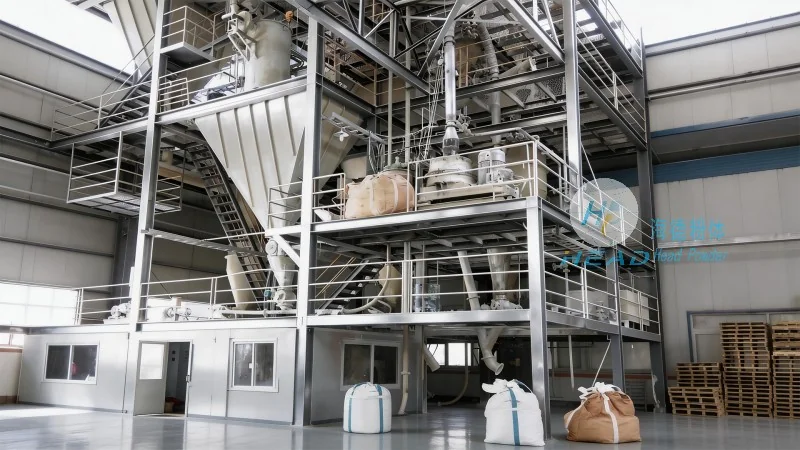
Company Background: HeadPowder Engineering
Shandong HeadPowder Engineering Co., Ltd., commonly referred to as HeadPowder, is a leading provider of material handling solutions in China. Headquartered in Shandong Province, the company specializes in designing, manufacturing, and installing conveyor systems tailored to the unique requirements of food processing and agricultural sectors. HeadPowder's expertise lies in understanding the physical properties of materials like white bean slices and developing conveying solutions that optimize workflow while preserving product integrity.
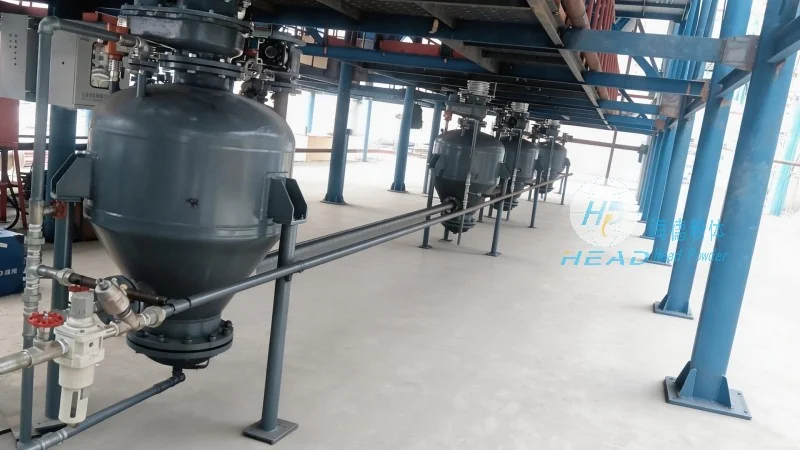
The Principle of White Bean Slice Material Conveying
The fundamental principle of white bean slice material conveying involves using mechanical systems to transport the slices from one processing stage to another. Given the typical characteristics of white bean slices—such as uniform shape, moderate density, and susceptibility to sticking—common conveying methods include belt conveyors, screw conveyors, and bucket elevators. Belt conveyors are widely utilized for horizontal or slight incline transport due to their ability to handle large volumes with minimal friction. The smooth surface of the conveyor belt prevents the slices from adhering, which is vital for maintaining product quality. Screw conveyors are ideal for vertical or small-angle transport, as they can lift the slices without additional lifting equipment. The screw's design—specifically its pitch and diameter—is carefully selected to accommodate the size and density of the white bean slices, ensuring consistent and reliable transport. Bucket elevators are employed when vertical transport over significant heights is required, offering a continuous and efficient method to move the slices to higher processing stages. In all cases, the conveying system is engineered to minimize product damage, prevent contamination, and uphold the hygienic standards essential in food processing environments.
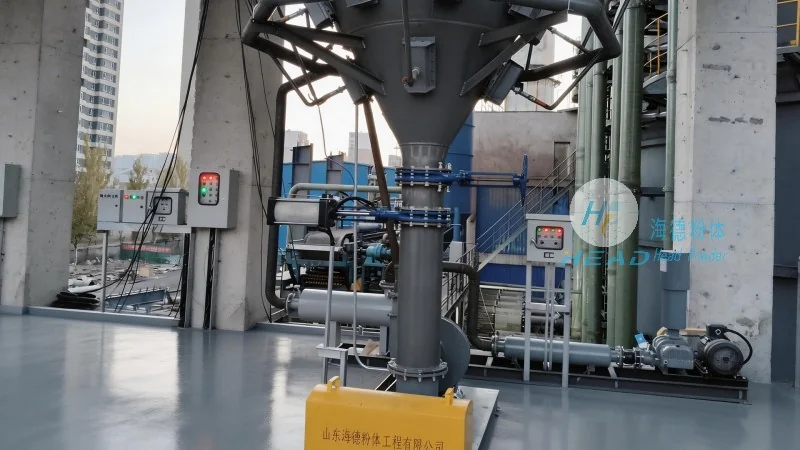
Working Scene Characteristics of White Bean Slice Material Conveying
The working scene characteristics of white bean slice material conveying systems vary based on the application and production scale. In small-scale food processing operations, such as family-owned bean product factories, manual or semi-automatic conveying methods may be used. However, for larger industrial facilities, automated conveyor systems are indispensable to meet high production demands. Key characteristics of working scenes include the need for continuous operation, as white bean slices are often processed in batches or continuously through multiple stages. The system must handle varying loads, especially during peak production periods, without compromising speed or efficiency. Additionally, the working environment must be designed for cleanliness and hygiene, with easy access for maintenance and cleaning to prevent residue or contaminant buildup. In agricultural processing settings, where white bean slices are transported from harvest to processing facilities, the conveying system must be robust enough to handle irregularly shaped or wetter beans. It also needs to adapt to environmental conditions like temperature and humidity variations for consistent performance. Another critical characteristic is integration with other processing equipment, such as washing, sorting, and drying machines, enabling a seamless material flow and reducing downtime. The working scene characteristics also emphasize flexibility, as different production lines may require different conveying configurations. HeadPowder's solutions are modular and customizable, allowing clients to adjust the system as production needs evolve. This adaptability ensures long-term effectiveness and efficiency, even with changing processes.
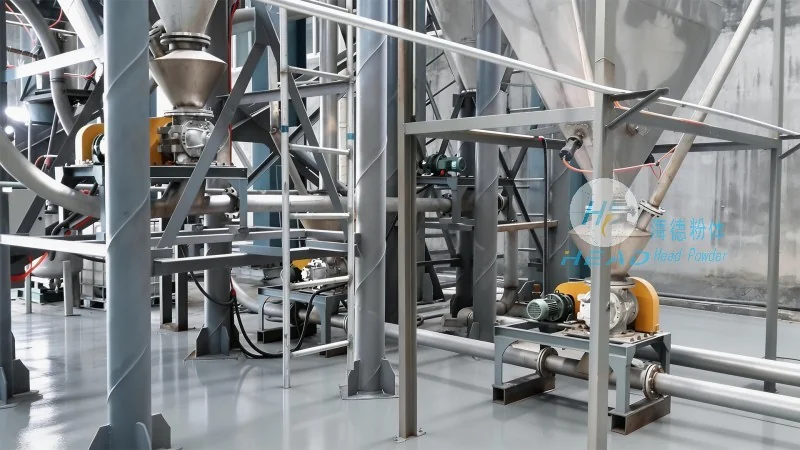
Application Examples and Benefits
White bean slice material conveying systems are widely used across industries, including food processing, agricultural processing, and pharmaceutical manufacturing. In food processing, these systems are commonly employed in the production of bean curd, tofu, and other bean-based products, transporting slices to subsequent stages like steaming or drying. In agricultural processing, the system moves harvested white bean slices from fields to processing plants for cleaning, sorting, and preparation. The benefits of an efficient white bean slice material conveying system include improved production efficiency, reduced labor costs, and enhanced product quality. By minimizing manual handling and ensuring consistent transport, the system maintains slice uniformity, crucial for product consistency. It also reduces product damage and contamination risks, essential for meeting food safety regulations. HeadPowder's conveying solutions are cost-effective and durable, with expertise tailoring systems to client needs. The working scene characteristics—like load handling and environmental adaptability—make it a versatile choice. Overall, understanding the principles and implementing effective conveying systems is vital for successful food or agricultural operations, enabling improved processes, product quality, and market competitiveness.




