Graphite material handling systems are critical components in industrial processes, particularly in environments where the safe and efficient transportation of graphite-based materials is essential. These systems are designed to handle the unique properties of graphite, such as its high thermal conductivity, electrical conductivity, and resistance to chemical corrosion, while ensuring minimal material loss and maintaining product integrity. The following content explores the fundamental principles behind these systems and highlights the key characteristics of their operational scenarios, with a focus on solutions provided by Shandong HeadPowder Engineering Co., Ltd. (headpowder).
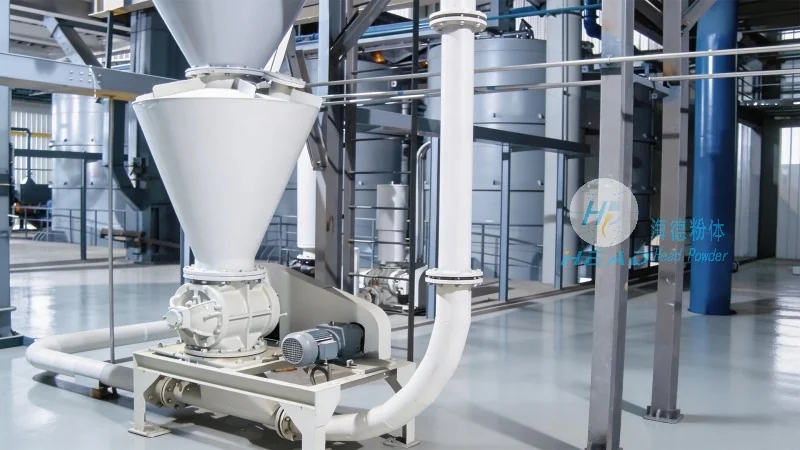
Overview of Graphite Material Handling Systems
Graphite material handling systems are engineered to transport various forms of graphite, including powders, granules, and flakes, from one location to another within industrial facilities. These systems are typically integrated into larger production lines, such as those used in the manufacturing of refractory materials, battery electrodes, and lubricants. The primary goal of these systems is to ensure that graphite materials are moved efficiently, safely, and with minimal contamination or degradation. By leveraging specialized equipment and control mechanisms, these systems address the challenges posed by graphite's physical and chemical properties, making them indispensable in modern industrial applications.
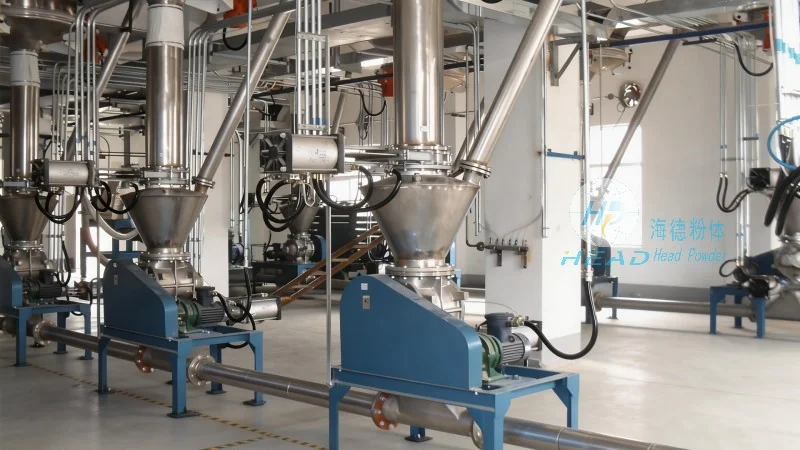
The Core Principles of Graphite Material Handling
The operation of graphite material handling systems is based on several fundamental principles that ensure optimal performance. First, the systems are designed to handle the low bulk density and fine particle size of graphite powders, which can lead to issues like dust generation and material segregation. To mitigate these problems, many systems incorporate dust control measures, such as enclosed conveyor belts and air filtration systems, to maintain a clean working environment. Second, the systems must accommodate the abrasive nature of graphite, which can wear down conventional conveyor components over time. Therefore, materials like stainless steel, rubber, or specialized coatings are often used for conveyor belts and other contact surfaces to extend the system's lifespan and reduce maintenance costs. Third, the systems are engineered to maintain the electrical and thermal properties of graphite, which are crucial for applications like battery manufacturing. This involves using non-conductive or insulated components in areas where electrical interference or heat transfer is a concern, ensuring that the material's intrinsic properties are preserved throughout the handling process.
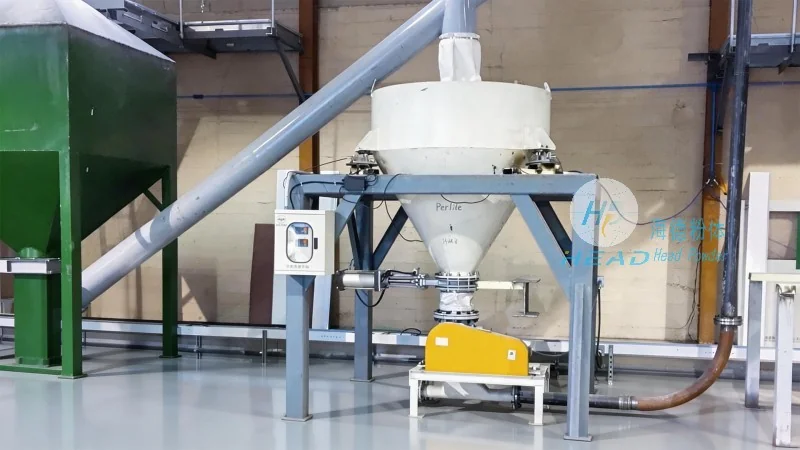
Key Working Scene Characteristics
The characteristics of the working scenes where graphite material handling systems are deployed vary significantly based on the specific application and industry. For instance, in the battery manufacturing industry, these systems are often used in high-purity environments to transport graphite powders for electrode production. The working scene in this case is characterized by stringent quality control measures, strict contamination protocols, and the need for precise dosing and mixing. The systems must be capable of handling small quantities of material with high accuracy, often requiring closed-loop control systems to maintain consistent product quality. In contrast, in the refractory materials industry, the working scene may involve the handling of larger graphite granules or flakes, which are used in high-temperature applications. Here, the systems need to be robust and capable of withstanding high temperatures and mechanical stress, with features like heat-resistant belts and reinforced structures to ensure durability. Another common working scene is in the lubricant manufacturing sector, where graphite is used as an additive to improve the performance of lubricating oils. The systems in this context may involve the blending of graphite with other liquids, requiring specialized mixing equipment and control mechanisms to achieve the desired consistency. Each of these working scenes demands tailored solutions from the material handling systems, emphasizing the importance of understanding the specific requirements of the application before selecting or designing a system.
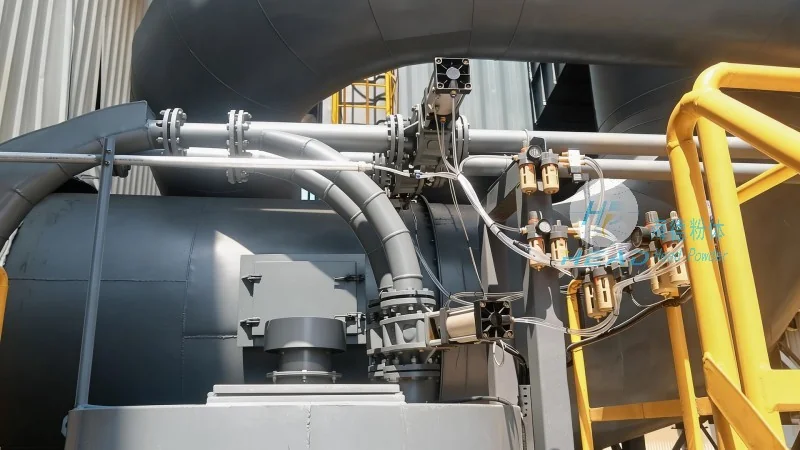
System Components and Operational Efficiency
The effectiveness of graphite material handling systems depends on the integration of several key components that work in concert to achieve optimal performance. The primary components include feeders, conveyors, storage silos, and control systems. Feeders are responsible for uniformly distributing the graphite material into the conveyor system, preventing overloading and ensuring consistent flow rates. Common types of feeders used in graphite handling include rotary valves, vibratory feeders, and screw conveyors, each chosen based on the material's properties and the required flow rate. Conveyors, such as belt conveyors or pneumatic conveyors, are used to transport the material from one point to another. Belt conveyors are widely used for bulk material handling due to their simplicity and reliability, while pneumatic conveyors are preferred for fine powders to minimize dust and contamination. Storage silos are used to store large quantities of graphite material, providing a buffer between production and processing stages. These silos are typically equipped with level sensors and aeration systems to prevent material bridging and ensure smooth discharge. Control systems, often integrated with sensors and automation technology, monitor the system's performance in real-time, adjusting parameters like speed and flow rate to maintain optimal operation. Shandong HeadPowder Engineering Co., Ltd. specializes in designing and manufacturing customized graphite material handling systems that address the specific needs of various industries, ensuring high efficiency, safety, and product quality.




