Gray calcium material conveying systems are integral to the efficient processing and transportation of calcium-based materials, particularly in industrial applications where consistent and reliable material handling is crucial. This article explores the fundamental principles underlying these systems and highlights key working scene characteristics that define their operational effectiveness.
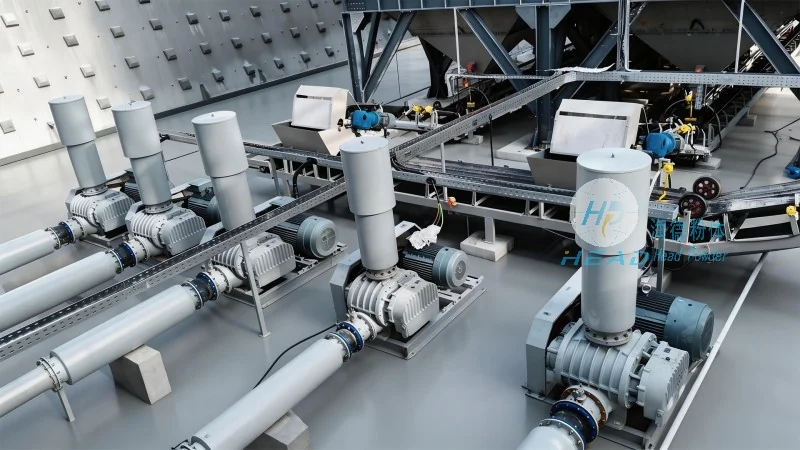
Introduction to Gray Calcium Material Conveying Systems
Gray calcium, often derived from limestone or similar mineral sources, is a widely used material in construction, manufacturing, and chemical industries. The efficient transport of this material from processing sites to end-use applications requires specialized conveying equipment designed to handle its physical properties, such as particle size, density, and flow characteristics. Conveying systems for gray calcium typically involve a combination of mechanical components, including feeders, conveyors, and control mechanisms, all working in tandem to ensure smooth material movement and minimal downtime.
Core Principles of Material Conveying
The operation of gray calcium material conveying systems is governed by several core principles that ensure optimal performance. These principles include the selection of appropriate conveyor types based on material characteristics, the implementation of proper feeding mechanisms to prevent blockages or uneven flow, and the integration of control systems to regulate speed and direction. Additionally, the design of the system must account for factors such as material abrasiveness, which can affect the lifespan of conveyor components, and the need for dust suppression measures to maintain a safe working environment.
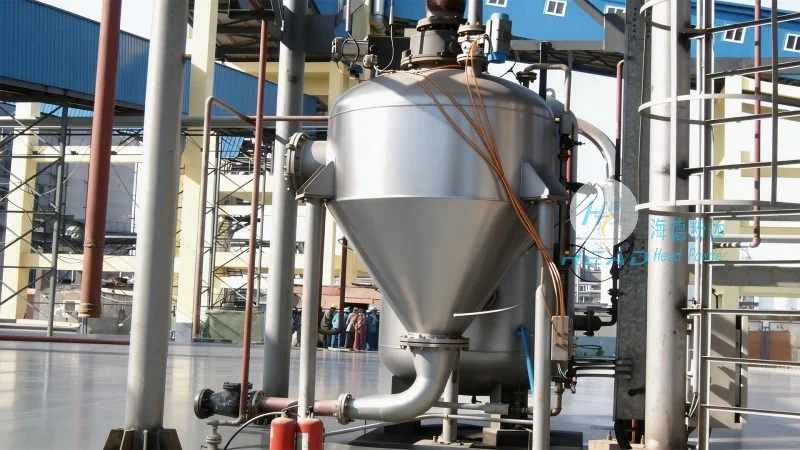
Working Scene Characteristics and Applications
The working scene characteristics of gray calcium material conveying systems vary significantly based on the specific industrial application. For instance, in cement production facilities, these systems are often integrated into large-scale processing lines where they handle raw materials and intermediate products. The working environment in such settings is typically characterized by high throughput requirements, continuous operation, and the need for robust equipment capable of withstanding heavy loads and abrasive conditions. In contrast, applications in the construction industry may involve smaller-scale conveying systems used for transporting gray calcium to job sites, where flexibility and ease of installation are key considerations.
Key Components and Their Functions
Gray calcium material conveying systems rely on several critical components to function effectively. The feeders, such as screw feeders or vibratory feeders, are responsible for uniformly delivering the material into the conveyor system, preventing overloading and ensuring consistent flow. The conveyors themselves, which may include belt conveyors, chain conveyors, or pneumatic conveyors, transport the material from the feed point to the discharge point. Control systems, including sensors and variable frequency drives, monitor and adjust the conveyor speed and tension to maintain optimal performance. Additionally, accessories like hoppers, chutes, and dust collection systems are essential for managing material handling and maintaining operational safety.
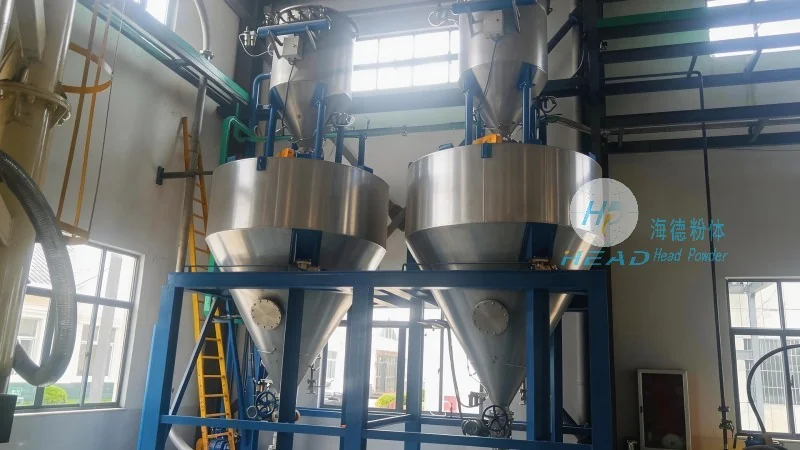
Operational Efficiency and Maintenance Considerations
Ensuring the long-term efficiency of gray calcium material conveying systems requires careful attention to maintenance and operational practices. Regular inspection of conveyor components, such as belts, chains, and bearings, is crucial to detect wear and tear early and prevent costly breakdowns. The use of high-quality materials and components designed specifically for abrasive applications can extend the lifespan of the system. Furthermore, implementing preventive maintenance schedules and training operators on proper system operation can minimize downtime and maximize productivity. In industrial settings, where consistent material flow is essential, these maintenance practices are vital to maintaining operational reliability.

Case Studies and Real-World Applications
Real-world applications of gray calcium material conveying systems provide valuable insights into their effectiveness in various industrial scenarios. For example, a cement plant in Shandong, China, utilizes a belt conveyor system to transport gray calcium from the raw material storage area to the grinding mill. This system has demonstrated high throughput rates and low maintenance costs, contributing to the plant's overall operational efficiency. Similarly, a construction company in the region uses a pneumatic conveying system to transport gray calcium to job sites, enabling faster material delivery and reduced labor costs. These case studies highlight the adaptability of gray calcium material conveying systems to different operational needs and their role in enhancing productivity across various industries.
Conclusion and Future Trends
In conclusion, gray calcium material conveying systems are essential for the efficient handling and transportation of calcium-based materials in industrial applications. The principles underlying these systems, combined with their working scene characteristics, ensure that they can meet the demands of various industries while maintaining operational reliability. As technology advances, future trends may include the integration of automation and IoT sensors to further enhance system performance and efficiency. However, the fundamental design and operational principles of these systems will continue to play a critical role in ensuring their effectiveness in the years to come.




