Shandong HeadPowder Engineering Co., Ltd., headquartered in Shandong, China, specializes in the design, development, and manufacturing of advanced capsule material conveying systems. These systems are integral to modern pharmaceutical production lines, ensuring efficient and reliable transportation of capsules from one stage of processing to another. The company's expertise lies in integrating cutting-edge technology with robust engineering to meet the stringent demands of the pharmaceutical industry.
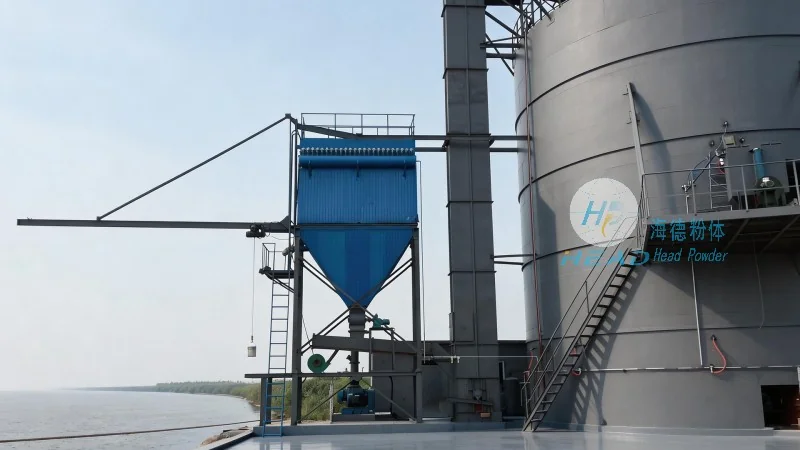
Principle of Capsule Material Conveying Systems
The core principle of capsule material conveying systems revolves around automated, precise movement of capsules through a controlled environment. Typically, such systems consist of several key components, including conveyor belts, rotary tables, pneumatic or mechanical actuators, and advanced control units. Sensors are integrated to detect capsule presence, position, and orientation, ensuring that each capsule is handled with accuracy. The control unit processes real-time data from these sensors to adjust the conveying speed, direction, and timing, optimizing the overall workflow. This closed-loop system minimizes human intervention, reduces operational errors, and enhances production consistency.
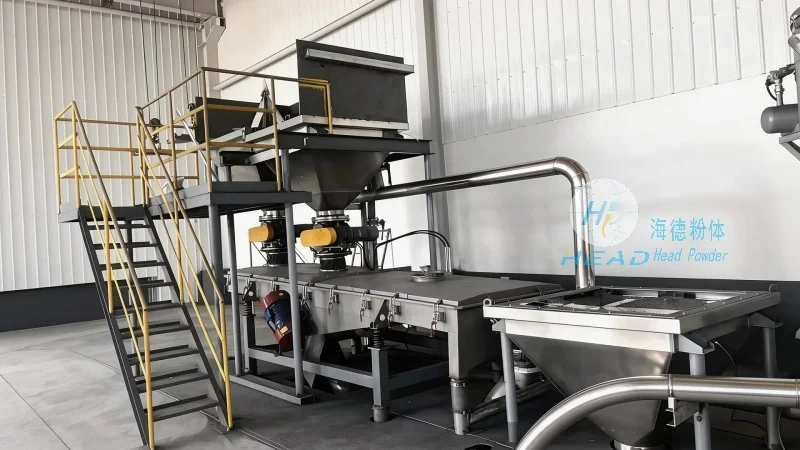
Key Working Scenarios and Application Characteristics
Capsule material conveying systems are deployed in diverse working scenarios across pharmaceutical manufacturing facilities. A primary application is in the pre-filling or post-filling stages of capsule production lines, where capsules need to be transported from storage bins to filling machines or from filling machines to packaging units. The systems are designed to handle various capsule types, including hard gelatin capsules, soft gelatin capsules, and other specialized capsule formats, with adjustable parameters to accommodate different sizes and shapes. In these scenarios, the system's adaptability and reliability are critical, as any disruption can lead to production bottlenecks or quality issues. The working environment often requires compliance with GMP (Good Manufacturing Practice) standards, which necessitates clean, dust-free, and hygienic design features in the conveying equipment. This includes materials like stainless steel, easy-to-clean surfaces, and sealed components to prevent contamination. Additionally, the systems are engineered for high throughput, often operating at speeds that match or exceed the production capacity of the upstream and downstream equipment, ensuring seamless integration into the overall production line.
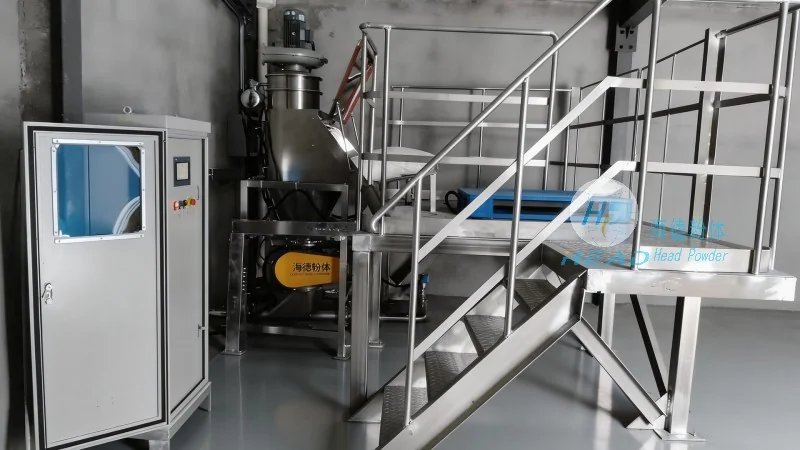
Advantages in Pharmaceutical Production
The implementation of capsule material conveying systems brings several advantages to pharmaceutical manufacturing operations. Firstly, they significantly improve production efficiency by automating the capsule handling process, reducing cycle times and increasing output. Secondly, the precision of the conveying mechanisms minimizes capsule damage or misalignment, which is crucial for maintaining product integrity and quality. Thirdly, the integration of sensors and control systems enables real-time monitoring and data collection, facilitating process optimization and predictive maintenance. This proactive approach helps in identifying potential issues before they escalate, reducing downtime and maintenance costs. Furthermore, the systems contribute to enhanced workplace safety by minimizing manual handling of capsules, which can be repetitive and labor-intensive. By automating the material transport, the risk of human error and associated quality defects is substantially reduced. Lastly, the modular design of these systems allows for scalability and customization, enabling pharmaceutical companies to adapt their conveying solutions as production needs evolve or new product lines are introduced.
Conclusion
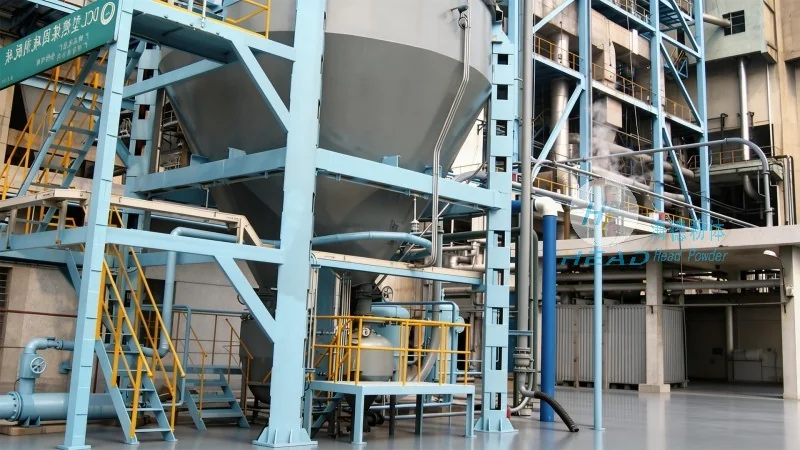
Shandong HeadPowder Engineering Co., Ltd. provides comprehensive solutions for capsule material conveying systems, leveraging advanced engineering and industry expertise to meet the evolving demands of the pharmaceutical sector. By understanding the principle of automated capsule transport and the specific characteristics of various working scenarios, the company delivers systems that enhance production efficiency, maintain product quality, and ensure compliance with industry standards. The integration of precise control, robust design, and adaptability makes these systems indispensable in modern pharmaceutical manufacturing, supporting the continuous improvement of production processes and the delivery of high-quality medicinal products.




