HeadPowder, a leading manufacturer based in Shandong, China, specializes in providing advanced material handling solutions. This article explores the principle and key characteristics of positive pressure blowing type material handling equipment, which is widely used in various industrial sectors.
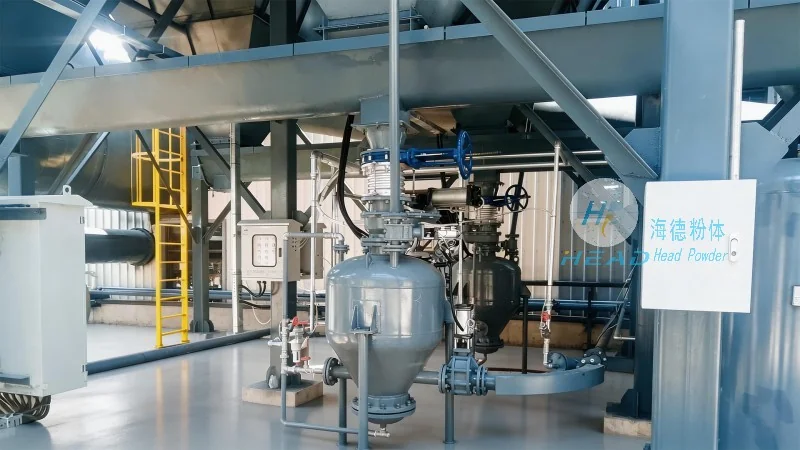
Introduction to Positive Pressure Blowing Type Material Handling Equipment
Positive pressure blowing type material handling equipment operates by using compressed air to create a positive pressure environment within a sealed system. This method effectively transports bulk materials such as powders, granules, and small particles from one location to another. The equipment is designed to maintain a positive pressure in the conveying line, preventing external air and contaminants from entering the system. This feature is particularly crucial in industries where product purity and hygiene are paramount, such as food processing, pharmaceuticals, and chemical manufacturing.
Working Principle of Positive Pressure Blowing Systems
The core mechanism of positive pressure blowing systems involves the generation of high-pressure air at the inlet of the conveying line. This air is then forced through the pipeline, creating a flow that propels the material forward. The air velocity and pressure are carefully controlled to ensure efficient material transport while minimizing pressure loss and energy consumption. The system typically includes components like air blowers, filters, and control valves that work in tandem to maintain optimal operating conditions. The positive pressure ensures that the material is continuously moved through the pipeline, reducing the risk of clogging and ensuring consistent throughput.
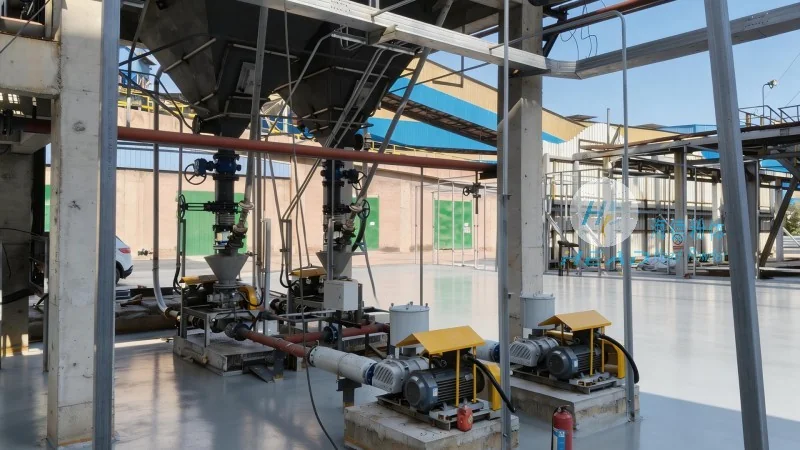
Key Advantages of Positive Pressure Blowing Type Equipment
One of the primary advantages of positive pressure blowing type material handling equipment is its ability to maintain a clean and dust-free environment. By keeping the system under positive pressure, it prevents external contaminants from entering the conveying line, which is essential for industries with strict quality control standards. Additionally, this method is highly effective in transporting materials that are prone to static electricity or that require a controlled environment, such as sensitive pharmaceuticals or food products. The equipment also offers flexibility in terms of pipeline layout, allowing for complex and long-distance material transport without significant loss of efficiency. Another key benefit is the reduced maintenance requirements compared to other conveying methods, as the system is less prone to wear and tear due to the absence of moving parts in the material path.
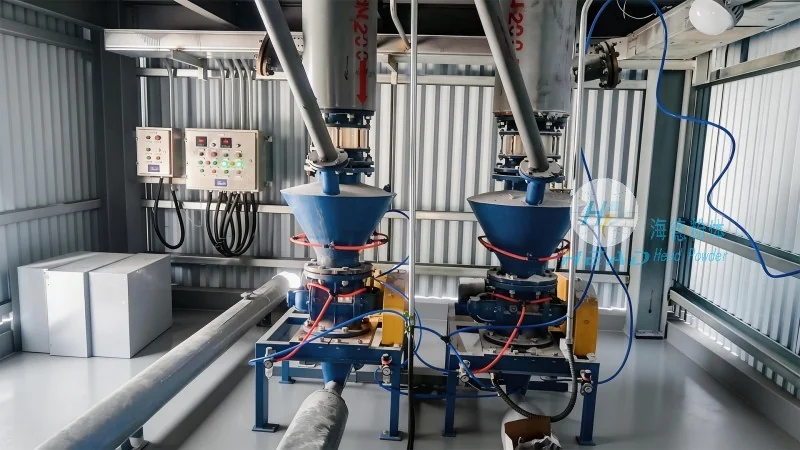
Common Applications and Working Scene Characteristics
Positive pressure blowing type material handling equipment is widely utilized in diverse industrial applications. In the food industry, it is commonly used for transporting ingredients like flour, sugar, and spices in processing plants. The equipment ensures that these materials are handled hygienically and without contamination, meeting the stringent regulations of food safety standards. In the pharmaceutical sector, it is employed to transport active pharmaceutical ingredients (APIs) and other raw materials in cleanroom environments, where maintaining a sterile and dust-free condition is critical. The equipment's ability to operate in a positive pressure mode makes it suitable for these environments, as it prevents the introduction of airborne particles that could compromise product quality. In the chemical industry, it is used for transporting various powders and granules, including those that are hazardous or require special handling. The positive pressure system helps to contain dust and fumes, ensuring the safety of operators and compliance with environmental regulations.
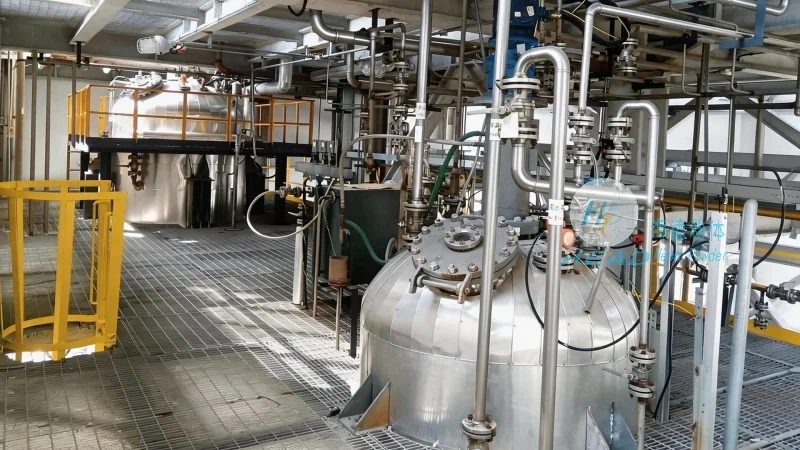
Operational Considerations and Maintenance
When operating positive pressure blowing type material handling equipment, several factors need to be considered to ensure optimal performance. The selection of appropriate air blowers and filters is crucial, as they must be capable of delivering the required pressure and air volume while maintaining the necessary filtration efficiency. Regular maintenance of these components is essential to prevent performance degradation and ensure consistent operation. The system should also be equipped with pressure sensors and control valves to monitor and adjust the air pressure as needed, preventing over-pressurization or under-pressurization that could affect material transport efficiency. Additionally, the pipeline design and layout should be optimized to minimize pressure losses and ensure smooth material flow. Proper sealing of all connections and joints is also important to maintain the positive pressure within the system and prevent leaks.
Conclusion
Positive pressure blowing type material handling equipment offers a reliable and efficient solution for transporting bulk materials in various industrial applications. Its ability to maintain a clean, dust-free environment and its suitability for sensitive materials make it a preferred choice in industries such as food, pharmaceuticals, and chemicals. With proper design, operation, and maintenance, this equipment can provide consistent performance and contribute to improved productivity and product quality. HeadPowder, with its expertise in engineering and manufacturing, continues to provide high-quality solutions that meet the evolving needs of the material handling industry.




