Hybrid material handling equipment represents a sophisticated solution that integrates multiple transport technologies to optimize material movement in various industrial settings. This equipment combines the efficiency of traditional systems with advanced capabilities, such as automated control and flexible adaptability, to address the diverse needs of modern manufacturing and logistics operations. The design philosophy behind hybrid systems focuses on enhancing productivity, reducing operational costs, and improving safety in material handling processes.
Core Principles of Hybrid Material Handling Equipment
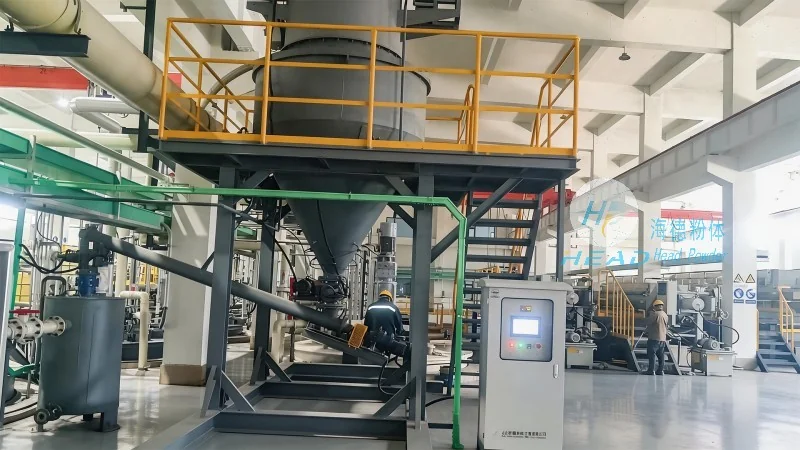
The fundamental principles of hybrid material handling equipment revolve around the integration of different transport modes, including conveyor systems, robotic arms, and automated guided vehicles (AGVs). By combining these technologies, the equipment achieves a seamless transition between different operational phases, such as loading, sorting, and unloading. The key principle is modularity, allowing components to be easily adjusted or replaced to accommodate changing production requirements. Additionally, the systems are designed with energy efficiency in mind, utilizing intelligent control mechanisms to minimize power consumption while maintaining high performance. This approach ensures that the equipment can adapt to both high-volume and low-volume operations, making it versatile for various industries.
Key Components and Their Functions
Hybrid material handling equipment typically consists of several critical components that work in tandem to achieve efficient material movement. The primary components include conveyors, which provide a continuous path for transporting materials; robotic manipulators, which handle tasks requiring precision and flexibility; and AGVs, which offer autonomous navigation for transporting loads between different workstations. Each component plays a vital role in the overall functionality of the system. For instance, conveyors ensure that materials are moved in a controlled manner, while robotic arms can perform tasks like picking and placing items with high accuracy. The integration of these components allows for a streamlined workflow, reducing bottlenecks and improving overall throughput. Furthermore, the systems often incorporate sensors and feedback mechanisms to monitor the status of each component, ensuring real-time adjustments and optimal performance.
Application Scenarios and Industry Use Cases
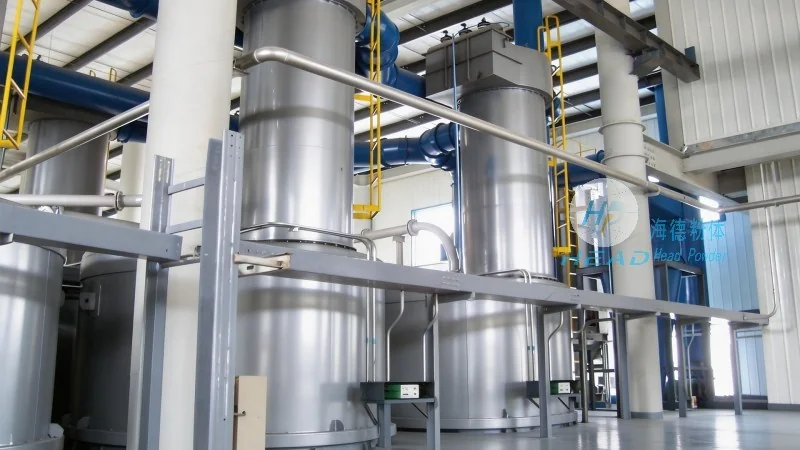
Hybrid material handling equipment is widely applied across various industries, including manufacturing, warehousing, and logistics. In manufacturing environments, these systems are used to transport raw materials to production lines and move finished products to packaging areas. The flexibility of hybrid systems allows them to adapt to different production processes, such as assembly lines or batch production. In warehousing, hybrid equipment is employed for inventory management, where it can handle tasks like sorting, stacking, and retrieving items from storage. The ability to integrate with existing infrastructure makes these systems suitable for both new and existing facilities. Additionally, in logistics operations, hybrid equipment can be used for loading and unloading trucks, as well as for sorting packages in distribution centers. The adaptability of hybrid systems makes them a preferred choice for industries that require dynamic and scalable material handling solutions.
Advantages of Implementing Hybrid Material Handling Equipment
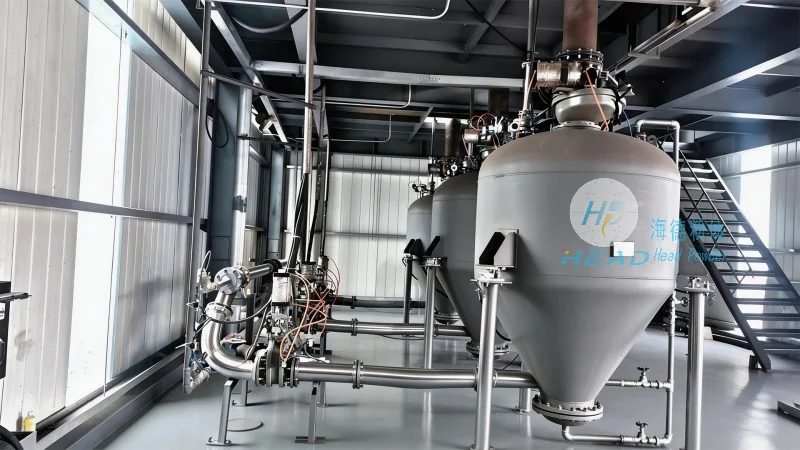
Adopting hybrid material handling equipment offers numerous advantages for businesses. One of the primary benefits is increased productivity, as the integrated systems can handle higher volumes of materials with less manual intervention. This leads to faster production cycles and improved output. Another advantage is cost reduction, as the systems are designed to be energy-efficient and require less maintenance compared to traditional equipment. The modular design also allows for lower initial investment, as components can be added or upgraded as needed. Furthermore, the systems enhance safety in the workplace by reducing the need for manual handling of heavy or hazardous materials. This not only protects employees but also minimizes the risk of accidents and associated costs. Additionally, the flexibility of hybrid equipment enables businesses to adapt to changing market demands, ensuring long-term competitiveness.
Case Study: Implementation in a Manufacturing Plant
Shandong HeadPowder Engineering Co., Ltd. recently implemented a hybrid material handling system in a manufacturing plant in China. The system was designed to handle the transportation of raw materials and finished products across the production floor. The plant, located in Shandong, China, faced challenges with traditional conveyor systems that were inefficient in handling varying material types and volumes. By integrating conveyors, robotic arms, and AGVs, the hybrid system addressed these issues effectively. The implementation resulted in a 30% increase in production efficiency and a 20% reduction in labor costs. The system also improved safety by reducing manual handling tasks. This case study demonstrates the effectiveness of hybrid material handling equipment in enhancing operational performance and reducing costs.




