Coating material conveying lines are essential components in industrial settings, particularly within the manufacturing and processing sectors where the efficient handling of liquid or semi-liquid coatings is critical. These systems are designed to transport materials such as paints, varnishes, inks, and other coating substances from one point to another, ensuring smooth and consistent operations throughout the production process. The core principles behind these conveying lines revolve around mechanical movement, material properties, and operational efficiency, tailored to meet the specific demands of various industrial applications.
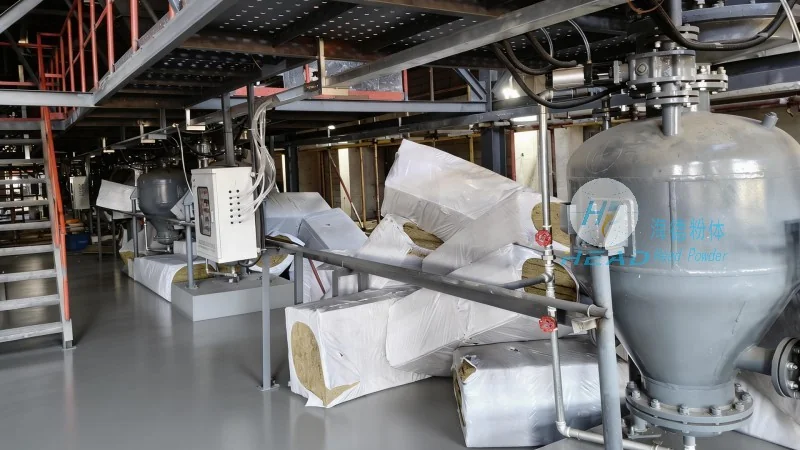
Core Principles of Coating Material Conveying Lines
The fundamental principle of a coating material conveying line is to utilize mechanical force to move the material through a defined path. This is typically achieved through a combination of equipment such as pumps, conveyors, and pipelines. The choice of equipment depends on the physical characteristics of the coating material, including its viscosity, density, and flowability. For instance, low-viscosity liquids may be transported using centrifugal pumps or positive displacement pumps, while high-viscosity materials might require screw conveyors or belt conveyors to maintain consistent flow.
Another key principle is the maintenance of material integrity. Coating materials often contain additives, pigments, or other components that must remain well-mixed and free from contamination or separation during transport. This is achieved through the use of agitators, mixers, or inline mixers integrated into the conveying system. The design of the conveying line also considers factors like temperature control, as some coatings are sensitive to temperature changes, which can affect their viscosity and performance.
Common Operational Scenarios and Applications
Coating material conveying lines are widely used in various industrial scenarios, each with distinct requirements and operational characteristics. One primary application is in the automotive and aerospace industries, where large volumes of high-quality paints are required for surface finishing. In these settings, the conveying line must ensure precise control over the material's flow rate and pressure to achieve uniform coating thickness on components.
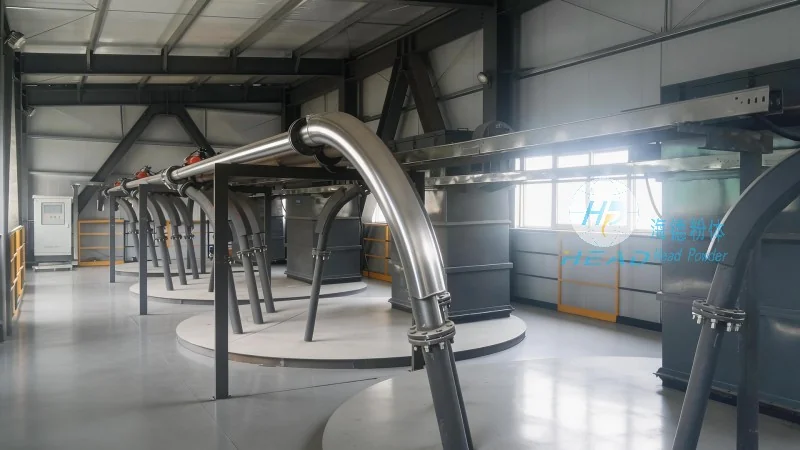
In the construction and building materials sector, coating material conveying lines are used to transport paints, sealants, and adhesives to different parts of a production facility. This includes scenarios where materials are transferred from storage tanks to mixing stations or directly to application equipment. The line must be capable of handling different viscosities, from thin water-based paints to thick epoxy coatings, ensuring that the material remains stable and free from clogging or blockages.
Another operational scenario involves the pharmaceutical and food industries, where coating materials are used for packaging or surface treatment. In these cases, the conveying line must adhere to strict hygiene and safety standards, with materials constructed from food-grade or pharmaceutical-grade materials to prevent contamination. The system is designed to maintain a sterile environment and ensure that the coating material is handled with precision to meet regulatory requirements.
Key Features and Advantages of Modern Coating Material Conveying Lines
Modern coating material conveying lines incorporate advanced technologies to enhance performance and reliability. One notable feature is the integration of automation and control systems, which allow for real-time monitoring and adjustment of the conveying process. Sensors are used to measure flow rates, pressure, and temperature, providing operators with immediate feedback and enabling proactive maintenance to prevent downtime.
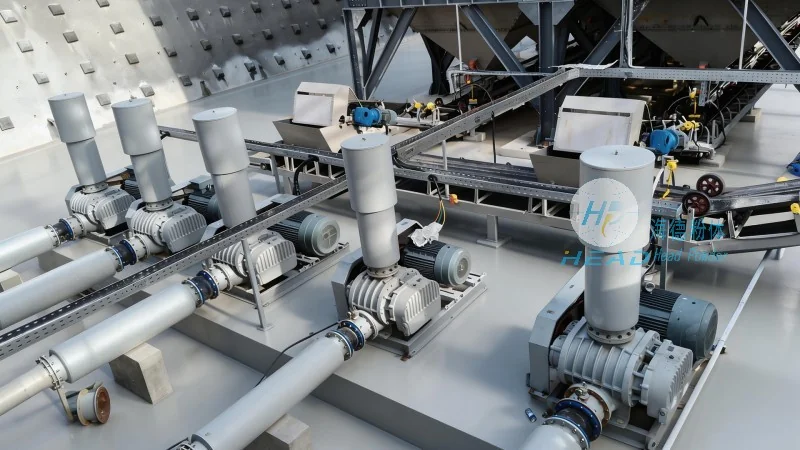
Another advantage is the use of flexible and modular designs, which allow for easy customization and adaptation to changing production needs. This modularity enables companies to scale their operations by adding or modifying components as required, without the need for a complete system overhaul. Additionally, energy-efficient designs are becoming increasingly common, with systems that optimize power consumption while maintaining high performance.
The durability and longevity of the conveying line components are also critical considerations. Materials such as stainless steel, corrosion-resistant alloys, and high-quality plastics are used to construct pipelines, pumps, and other equipment, ensuring that the system can withstand the harsh conditions of industrial environments and maintain its performance over extended periods.
Conclusion and Company Overview
Coating material conveying lines play a vital role in ensuring the efficiency and quality of coating applications across various industries. By adhering to the core principles of mechanical movement, material integrity, and operational control, these systems enable manufacturers to achieve consistent results while minimizing waste and downtime. As a leading provider in the field, Shandong HeadPowder Engineering Co., Ltd. specializes in designing and manufacturing customized conveying solutions tailored to the unique needs of each client. With a focus on innovation, quality, and customer satisfaction, HeadPowder delivers reliable and efficient coating material conveying lines that meet the highest industry standards. Based in Shandong, China, the company leverages its expertise and local resources to serve clients globally, providing comprehensive support from design and installation to maintenance and after-sales service.




