Calcium carbide slag material conveying lines are critical components in industrial processes, particularly in facilities that handle calcium carbide slag. These systems are designed to efficiently transport the heavy, often abrasive, and sometimes hazardous slag from production sites to disposal or processing areas. The effectiveness of such lines directly impacts operational efficiency, safety, and environmental compliance in industrial operations.
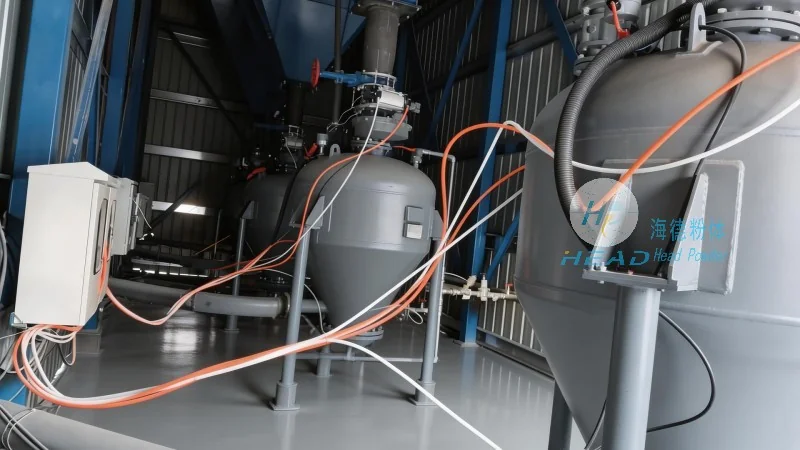
About HeadPowder Engineering
HeadPowder, or Shandong HeadPowder Engineering Co., Ltd., is a leading provider of specialized engineering solutions for material handling systems. With headquarters in Shandong, China, the company has built a strong reputation for delivering high-quality, reliable, and customized conveying solutions tailored to the unique needs of industrial clients. HeadPowder's expertise lies in understanding the challenges of handling calcium carbide slag and developing systems that ensure smooth, safe, and efficient material transport.
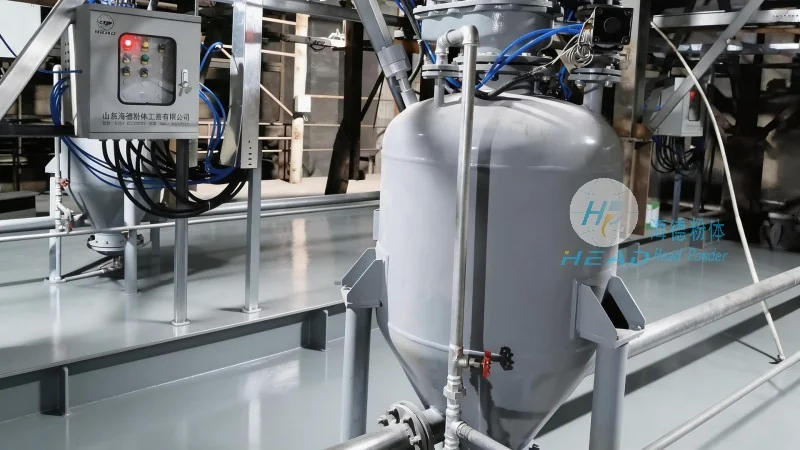
The Principle of Material Conveying Lines
The core principle of calcium carbide slag material conveying lines revolves around the use of mechanical systems to move bulk materials over long distances or vertical heights. These systems typically incorporate components such as feeders, conveyors (like belt conveyors, screw conveyors, or pneumatic conveyors), and control mechanisms. The design of the line is tailored to the physical properties of calcium carbide slag, including its density, moisture content, and abrasiveness. For instance, belt conveyors are commonly used due to their ability to handle heavy loads and abrasive materials, while screw conveyors are effective for vertical or inclined transport. The system's control system ensures that the conveying process is regulated based on production rates, material flow, and safety parameters, optimizing both efficiency and operational safety.
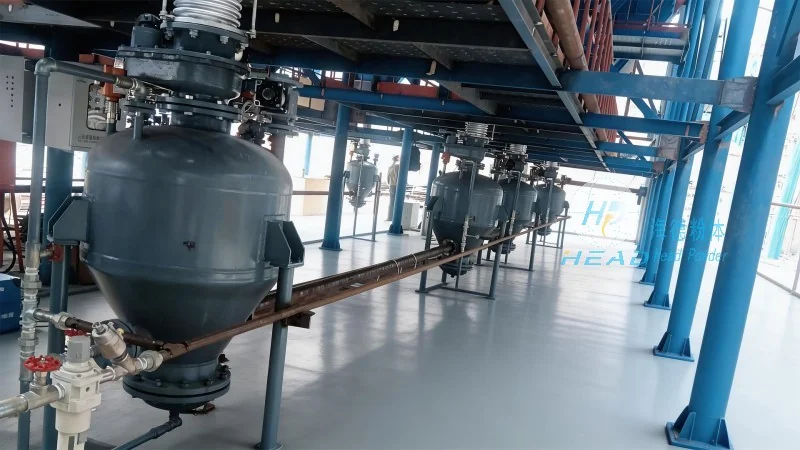
Working Scene Characteristics
The working scene characteristics of calcium carbide slag material conveying lines vary significantly based on the specific industrial application and site conditions. In industrial plants, these lines are often integrated into larger production workflows, where they connect slag generation points (such as reactors or reactors) to storage or disposal facilities. The environment in which these lines operate can be challenging, with high temperatures, dust, and potential chemical hazards. Therefore, the design of the conveying system must consider factors like corrosion resistance, heat resistance, and dust containment to ensure long-term reliability and safety. Additionally, the layout of the conveying line may need to adapt to the spatial constraints of the industrial site, requiring flexible or modular designs that can be easily installed and maintained. The operational characteristics also include considerations for material handling speed, capacity, and the need for regular maintenance to prevent downtime and ensure consistent performance.
Key Features and Benefits
Calcium carbide slag material conveying lines offered by HeadPowder Engineering are characterized by several key features that enhance their performance and reliability. These include robust construction to withstand the abrasive nature of calcium carbide slag, advanced control systems for precise operation, and energy-efficient designs to reduce operational costs. The systems are designed to minimize material degradation during transport, which is crucial for maintaining the quality of the slag for subsequent processing or disposal. Additionally, the lines are equipped with safety features such as overload protection, emergency stop mechanisms, and monitoring systems to ensure operator safety and compliance with industrial safety standards. The modular design of these systems allows for easy integration into existing production lines and facilitates maintenance, reducing the overall cost of ownership.
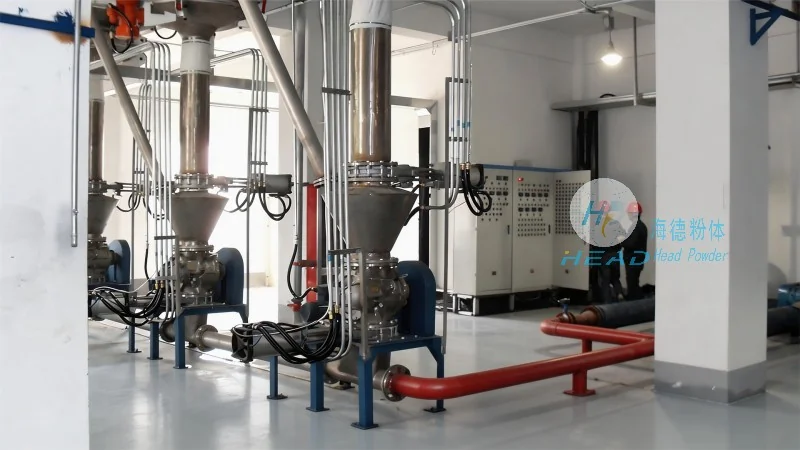
Application Examples
HeadPowder Engineering's calcium carbide slag material conveying lines are used in various industrial applications, including chemical plants, steel mills, and waste management facilities. In chemical plants, these lines transport slag from calcium carbide production reactors to storage tanks or disposal sites, ensuring a continuous and safe material flow. In steel mills, the lines handle slag generated during steel production processes, contributing to the efficient management of byproducts. The versatility of these conveying systems makes them suitable for a wide range of industrial scenarios, where the reliable transport of bulk materials is essential for operational efficiency.




