HeadPowder, a leading provider of advanced powder handling solutions, specializes in the efficient and reliable transport of boron nitride powder through air-driven systems. This article explores the fundamental principles behind air-driven transport and highlights the key characteristics of its application scenarios, offering insights into how this technology optimizes material handling in industrial settings.
Understanding the Core Principles of Air-Driven Transport for Boron Nitride Powder
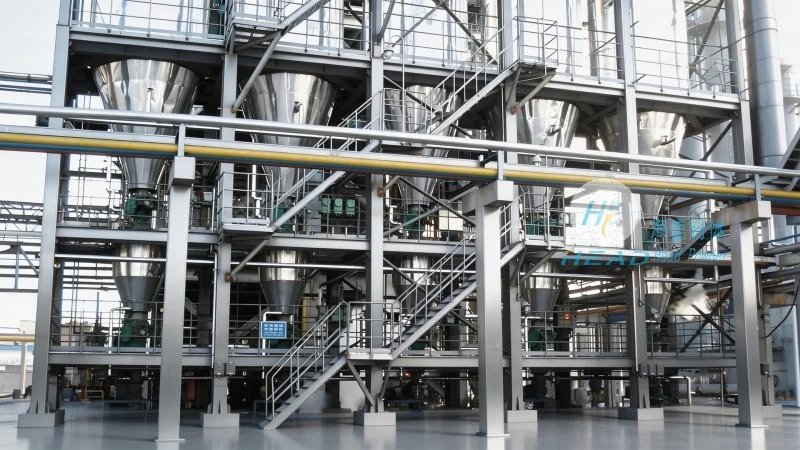
At the heart of air-driven transport is the use of pressurized or suction air to move powder particles through a pipeline. For boron nitride powder, which is known for its high purity, thermal stability, and lubricating properties, air-driven systems provide a non-contact, low-damage method of transportation. The process typically involves creating a controlled airflow that lifts and propels the powder particles, ensuring minimal particle degradation and maintaining the material's integrity. This method is particularly effective for fine powders like boron nitride, where traditional mechanical conveying might cause agglomeration or particle breakage.
Key Characteristics of Application Scenarios for Air-Driven Boron Nitride Powder Transport
The application scenarios for air-driven boron nitride powder transport vary based on the specific requirements of the industrial process. In manufacturing environments, such as those producing high-performance ceramics or advanced composites, the need for clean and precise powder delivery is critical. Air-driven systems excel in these settings by offering a dust-free and contamination-free transport path, which is essential for maintaining the quality of the final product. Additionally, the flexibility of air-driven transport allows for easy integration into existing production lines, reducing the need for extensive infrastructure modifications.
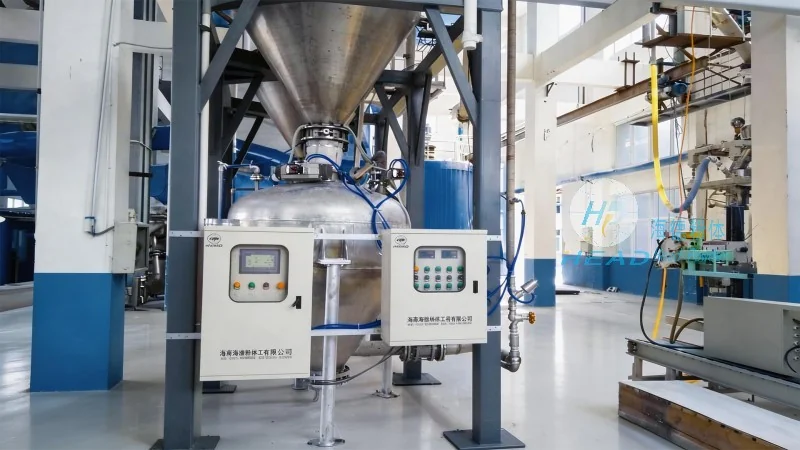
In research and development laboratories, where precise control over powder flow is paramount, air-driven systems provide the accuracy needed for experimental setups. The ability to adjust airflow rates and pressure allows scientists to fine-tune the transport parameters, ensuring consistent results in material testing and formulation. This level of control is particularly valuable when working with specialized boron nitride grades, such as those used in semiconductor applications or high-temperature coatings.
Advantages of Air-Driven Transport in Handling Boron Nitride Powder
Compared to other conveying methods, air-driven transport offers several advantages for boron nitride powder. One of the most significant benefits is the prevention of particle attrition and agglomeration, which can occur with mechanical or gravity-based systems. The non-contact nature of air-driven transport preserves the particle size distribution and surface properties of boron nitride, ensuring that the material retains its intended performance characteristics. Furthermore, air-driven systems are highly scalable, capable of handling both small-scale laboratory batches and large-scale industrial production volumes without compromising efficiency.
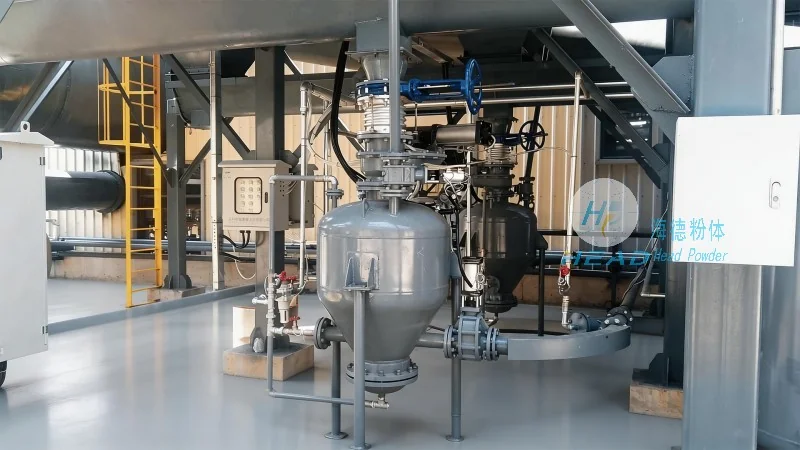
Another key advantage is the ability to maintain a sterile and controlled environment, which is crucial in applications like pharmaceutical or food processing where contamination must be avoided. By using clean air and sealed pipelines, air-driven transport minimizes the risk of external contaminants entering the powder stream, making it suitable for sensitive industries. This feature also enhances safety in the workplace by reducing the exposure of workers to fine powders, which can pose respiratory health risks.
Conclusion: Optimizing Material Handling with Air-Driven Boron Nitride Powder Transport
For industries relying on boron nitride powder for high-performance applications, air-driven transport is a reliable and efficient solution. By understanding the principles of air-driven systems and leveraging their application in diverse scenarios, companies can enhance their production processes, improve product quality, and ensure compliance with industry standards. HeadPowder, with its expertise in powder engineering, continues to provide tailored air-driven transport solutions that meet the unique needs of its clients, supporting their success in the competitive market for advanced materials.




