Pea powder pneumatic conveying lines represent a critical component of modern material handling infrastructure, particularly within industries that process bulk dry powders such as food processing, pharmaceuticals, and chemical manufacturing. This technology leverages compressed air or gas streams to transport powder particles through a closed pipeline system, offering a clean, efficient, and adaptable solution for moving materials between different locations within a facility.
Core Principle of Pneumatic Conveying Technology
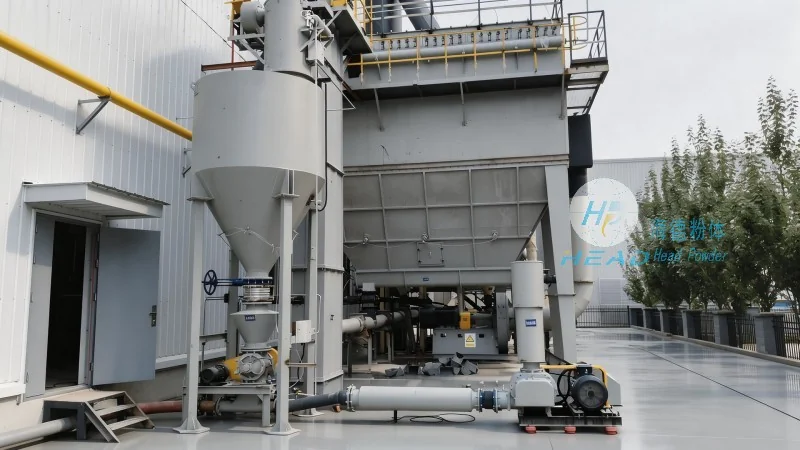
The fundamental mechanism behind pea powder pneumatic conveying lines revolves around creating a pressure differential within a closed pipeline system. Compressed air or gas serves as the motive force, lifting and transporting the powder particles along the pipeline. The system typically comprises several key elements: a material hopper for storage, a blower or compressor to generate the necessary air flow, a network of pipelines that may include bends and elbows, and a receiver or discharge hopper to collect the conveyed powder. The design of the conveying line is paramount, as it must accommodate the specific physical properties of pea powder—including particle size, density, and flowability—to ensure reliable and efficient operation. This principle allows for the seamless transport of fine powders like pea powder, which are often sensitive to handling and require a controlled environment.
Key System Components and Their Functions
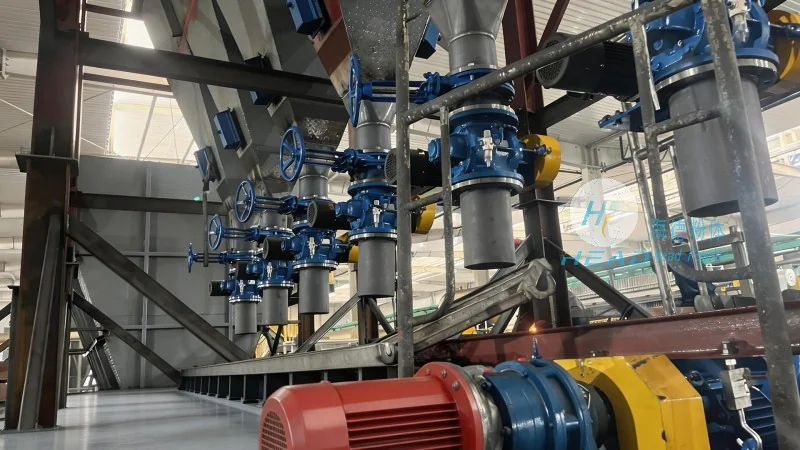
A pea powder pneumatic conveying line consists of several interconnected components, each with a specific role in the material transport process. The material hopper is the initial storage unit, often equipped with a feeder mechanism—such as a rotary valve or star feeder—to regulate the flow rate of the powder into the pipeline. The blower or compressor is the system's power source, generating the air pressure and flow required to move the powder. This component can be a positive displacement blower or a centrifugal fan, selected based on the system's capacity and operational needs. The pipeline network connects the hopper to the receiver and may include expansion joints or bends to accommodate changes in direction or elevation. The receiver, or discharge hopper, collects the conveyed powder and may feature a discharge valve or outlet for subsequent processing. Additionally, the system may incorporate filters or cyclones to separate entrained air from the powder, ensuring a clean and dust-free final product. Each component must be carefully selected and integrated to optimize performance and maintain product integrity.
Working Scene Characteristics and Industrial Applications
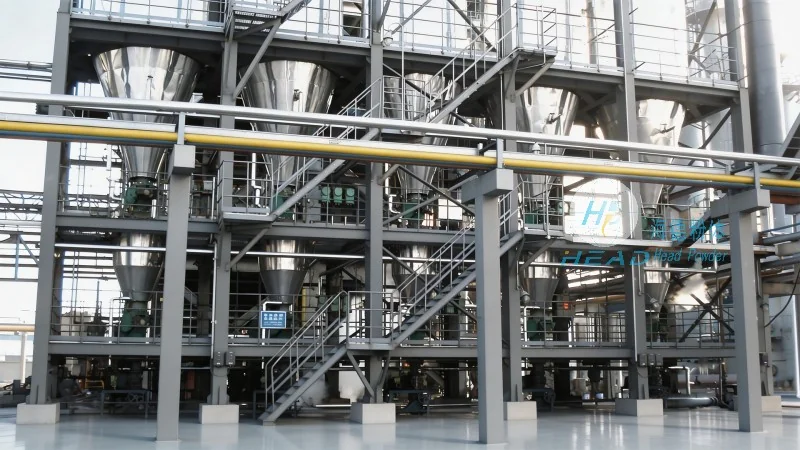
Pea powder pneumatic conveying lines are widely utilized across various industrial sectors due to their versatility and efficiency. In the food processing industry, they are commonly employed to transport pea powder for use in food products like soups, snacks, and beverages. The system's ability to maintain hygienic conditions and prevent product contamination makes it ideal for food applications. In pharmaceutical manufacturing, pneumatic conveying is used to handle fine powders such as pea powder for drug formulation, ensuring sterile and controlled handling. The chemical industry also relies on these systems to transport powders used in chemical production, where the system's capability to handle abrasive or corrosive materials is critical. The working scene characteristics of pea powder pneumatic conveying lines include their ability to handle high material volumes, operate in both horizontal and vertical orientations, and adapt to diverse plant layouts. They are also suitable for long-distance conveying, making them a practical solution for facilities with multiple processing areas or large production scales.
Advantages and Implementation Considerations
Implementing a pea powder pneumatic conveying line offers several advantages over traditional mechanical conveying methods. One primary benefit is the reduction in material handling time and labor costs, as the system can transport large quantities of powder quickly and efficiently. The technology also minimizes product degradation and contamination, as the material remains enclosed within the pipeline, protecting it from moisture, dust, and environmental factors. Additionally, pneumatic conveying systems are flexible and can be easily modified or expanded to accommodate changes in production requirements. However, there are important considerations for successful implementation. The initial investment cost can be higher compared to mechanical conveying, and the system requires regular maintenance to ensure optimal performance. The design must also account for the specific properties of pea powder, such as its dust explosion risk, to ensure safety and compliance with industry regulations. Proper sizing of the blower and pipeline diameter is essential to prevent blockages and maintain smooth operation. These factors must be carefully evaluated during the system design phase to ensure long-term reliability and efficiency.
Conclusion
In summary, pea powder pneumatic conveying lines are a sophisticated and effective solution for transporting dry powders in diverse industrial applications. The technology's ability to handle hygienic and controlled environments, along with its efficiency and adaptability, makes it a preferred choice for industries dealing with fine powders like pea powder. By understanding the core principles and key components of these systems, as well as their working scene characteristics and implementation considerations, businesses can effectively utilize pneumatic conveying to enhance their material handling processes. As a leading provider in this field, Shandong HeadPowder Engineering Co., Ltd. specializes in designing and manufacturing customized pneumatic conveying systems tailored to the specific needs of their clients, ensuring reliable and efficient material transport solutions that meet industry standards and operational requirements.




