For the efficient handling and transportation of organic fertilizer granular materials, pneumatic conveying technology has emerged as a key solution in modern agricultural and industrial processes. This method offers a reliable and flexible approach to move bulk materials over varying distances, ensuring minimal material degradation and operational efficiency. In this context, we explore the fundamental principles behind pneumatic conveying systems and the specific characteristics of their application scenarios, with a focus on the expertise of Shandong HeadPowder Engineering Co., Ltd., a leading provider in this field.
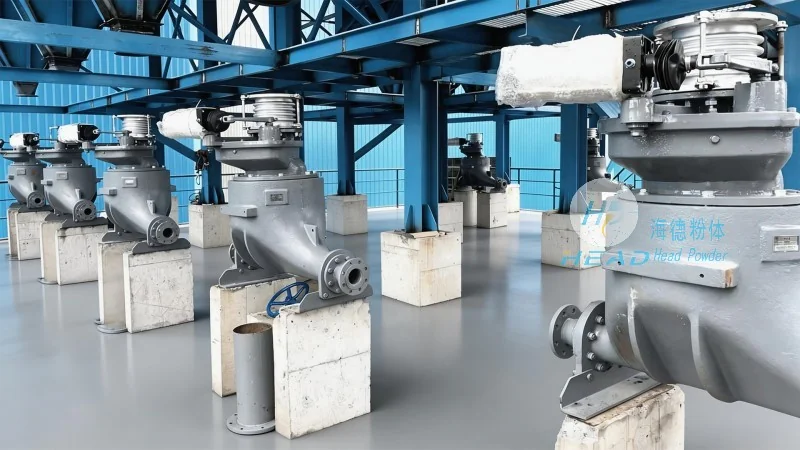
Understanding the Core Principles of Pneumatic Conveying for Organic Fertilizer Granular Materials
Pneumatic conveying systems operate by utilizing air flow to transport solid particles, such as organic fertilizer granules, through a pipeline network. The technology can be broadly categorized into two main types: pressure conveying and vacuum conveying. Pressure conveying involves forcing air and material through the system using a positive pressure source, typically a blower or compressor, while vacuum conveying creates a negative pressure environment to draw material into the pipeline. For organic fertilizer granular materials, which often have varying sizes and densities, the choice of system depends on factors like material properties, required transport distance, and operational environment. The design of the conveying system must account for the material's flow characteristics, including its angle of repose, cohesion, and particle size distribution, to ensure smooth and continuous movement. Additionally, the system's components, such as the hopper, feeder, and pipeline, are engineered to minimize material degradation and prevent blockages, which are common challenges in handling granular organic fertilizers.
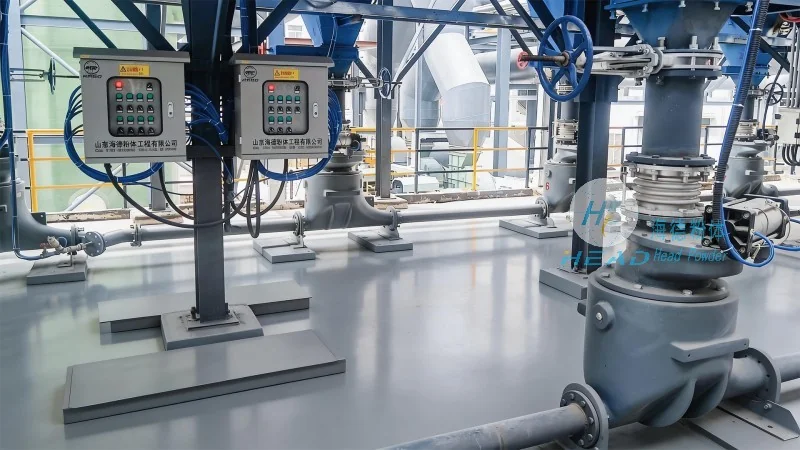
Key Application Scenarios and Operational Characteristics
The application of pneumatic conveying for organic fertilizer granular materials spans multiple operational settings, each with distinct requirements and benefits. In agricultural settings, such as large-scale farms or organic fertilizer production facilities, the system is used to transport raw materials from storage silos to processing units or directly to application sites. The flexibility of pneumatic conveying allows for the integration of multiple material sources and destinations, enabling efficient material flow within the farm or processing plant. For example, in a fertilizer production plant, the system can convey granular organic fertilizers from a mixing area to a packaging line, ensuring a continuous and controlled supply of material. The operational advantages include reduced labor costs, minimized material handling time, and improved safety by eliminating manual handling of bulk materials. In industrial applications, the system may be used in conjunction with other processing equipment, such as granulators or mixers, to maintain a consistent material flow and prevent bottlenecks. The ability to handle varying material loads and adjust air flow rates makes pneumatic conveying adaptable to different production schedules and demand fluctuations.
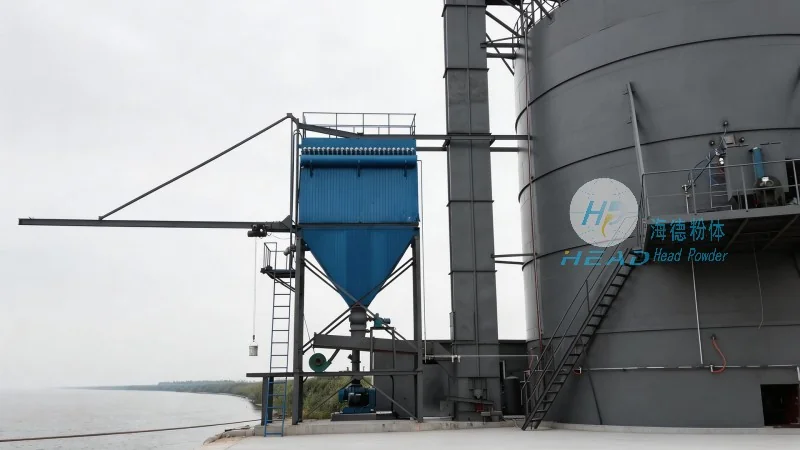
Advantages and Considerations in Implementing Pneumatic Conveying Systems
Implementing a pneumatic conveying system for organic fertilizer granular materials offers several advantages that make it a preferred choice over traditional methods like belt conveyors or bucket elevators. One of the primary benefits is the reduction in material degradation, as the system minimizes physical contact and impact during transport. This is particularly important for organic fertilizers, which may contain sensitive components like microorganisms or nutrients that could be damaged by mechanical handling. Additionally, pneumatic conveying systems are more compact and can be installed in confined spaces, making them suitable for facilities with limited floor space. The technology also provides better dust control compared to open systems, enhancing workplace safety and compliance with environmental regulations. However, there are considerations to keep in mind when selecting and operating a pneumatic conveying system. The initial investment and maintenance costs can be higher than traditional methods, and the system requires regular cleaning and maintenance to prevent material buildup and ensure optimal performance. Furthermore, the system's efficiency depends on proper design and sizing, as an undersized system may lead to blockages or reduced throughput, while an oversized system may result in unnecessary energy consumption. Shandong HeadPowder Engineering Co., Ltd. specializes in the design, manufacturing, and installation of customized pneumatic conveying systems tailored to the specific needs of organic fertilizer producers, ensuring optimal performance and reliability.
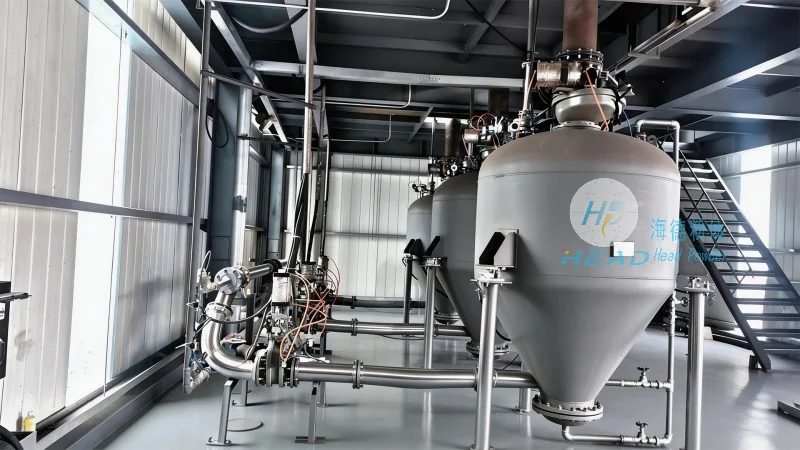
About Shandong HeadPowder Engineering Co., Ltd.
Shandong HeadPowder Engineering Co., Ltd., commonly known as HeadPowder, is a leading enterprise based in Shandong, China, dedicated to providing innovative solutions for material handling and processing. With years of experience in the industry, HeadPowder specializes in the development and implementation of pneumatic conveying systems for various applications, including organic fertilizer granular materials. The company's commitment to quality and customer satisfaction has earned it a reputation as a trusted partner in the agricultural and industrial sectors. HeadPowder's team of experts works closely with clients to understand their specific requirements and design systems that meet their operational needs, ensuring efficient and reliable material transport. The company's facilities in Shandong, China, are equipped with advanced technology and skilled personnel to support the entire lifecycle of a pneumatic conveying system, from initial design and manufacturing to installation and after-sales service. By leveraging its expertise and experience, HeadPowder helps clients optimize their material handling processes, reduce costs, and enhance overall operational efficiency.




