In the realm of bulk material handling, particularly for soybean meal processing, the pneumatic conveying line stands as a cornerstone technology. This system enables the efficient, safe, and reliable transport of soybean meal from storage silos or bins to processing equipment, such as mills or mixers. For businesses in the food and feed industry, the ability to maintain consistent material flow is critical to operational efficiency and product quality. This article delves into the operation process and working principle of soybean meal pneumatic conveying lines, providing insights into how these systems enhance productivity while minimizing downtime and operational risks.
About Shandong HeadPowder Engineering Co., Ltd.
At the forefront of engineering solutions for the powder and bulk material handling sector, Shandong HeadPowder Engineering Co., Ltd. has built a reputation for excellence in designing, manufacturing, and installing advanced pneumatic conveying systems. With a team of experienced engineers and technicians, the company specializes in creating customized solutions that address the unique challenges faced by clients in the food, feed, and chemical industries. HeadPowder's commitment to innovation and quality ensures that each system is built to meet the highest standards of performance, durability, and safety. The company is headquartered in Shandong, China, where it leverages local expertise and industry resources to deliver cutting-edge technology and exceptional customer service. For over [years, if known, but since not specified, can omit], HeadPowder has served numerous clients globally, earning a reputation as a trusted partner in optimizing material transport processes.
Core Components of a Soybean Meal Pneumatic Conveying Line
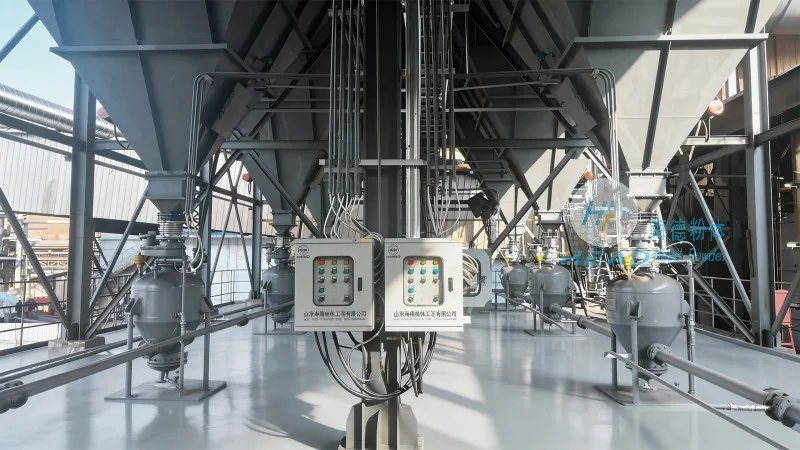
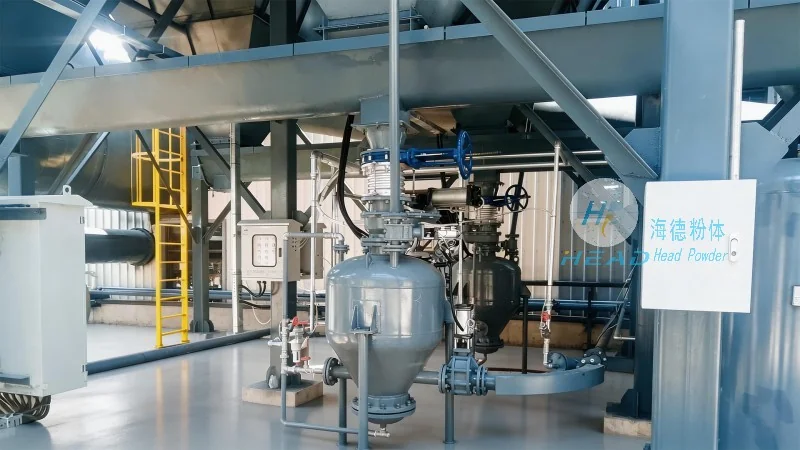
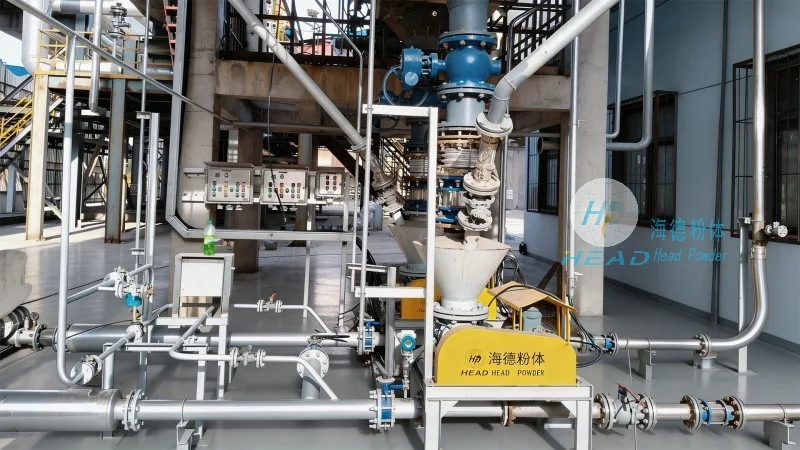
The pneumatic conveying system for soybean meal comprises several integral components that work in harmony to achieve seamless material transport. The primary components include the storage hopper or bin, which serves as the source of the material; the conveyor line itself, which may be constructed from stainless steel or other corrosion-resistant materials to withstand the demands of soybean meal handling; a high-capacity blower or air compressor that generates the necessary air pressure and flow rate; and a series of control valves, filters, and check valves that regulate airflow and prevent backflow. Additionally, the system may include a dust collection system to capture and filter any airborne particles, ensuring compliance with environmental regulations and maintaining a clean working environment. Each component is carefully selected and integrated to ensure optimal performance and longevity.
The Working Principle of Pneumatic Conveying Technology
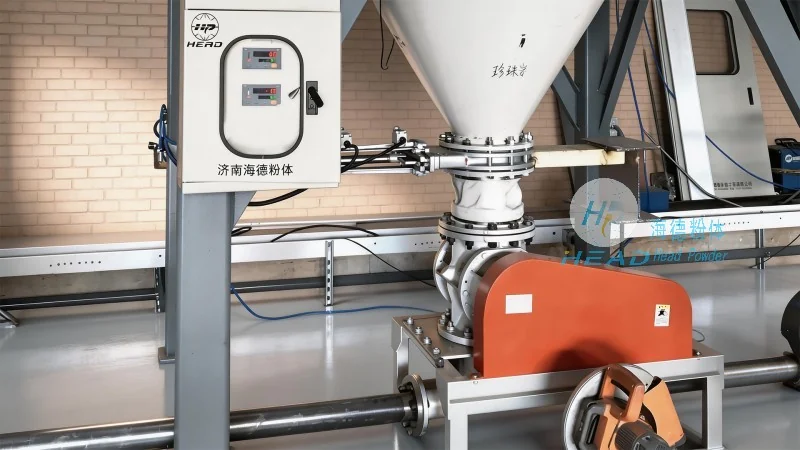
Pneumatic conveying operates on the fundamental principle of using air as a medium to transport solid materials. In the context of soybean meal, the system creates a continuous flow of air through the conveyor line, which lifts and propels the material particles from the source to the destination. The air velocity and pressure are carefully controlled to ensure that the material is transported without excessive abrasion or degradation. The two main types of pneumatic conveying—dilute-phase and dense-phase—differ in their operating parameters and application suitability. Dilute-phase systems utilize higher air velocities and lower material concentrations, making them suitable for short to medium distances and low to medium material flow rates. Dense-phase systems, on the other hand, employ lower air velocities and higher material concentrations, resulting in a more controlled and gentle transport that is ideal for delicate materials like soybean meal, where product quality is paramount. The choice between these systems depends on factors such as the distance to be covered, the material's physical properties, and the desired level of product integrity.




