Iron ore fines pneumatic conveying equipment is a critical component in modern mining and material handling operations. This equipment is designed to efficiently transport iron ore fines, which are fine-grained particles of iron ore, from one location to another using air as the conveying medium. The technology offers significant advantages over traditional mechanical conveying methods, such as reduced maintenance costs, improved safety, and enhanced flexibility in material handling processes.
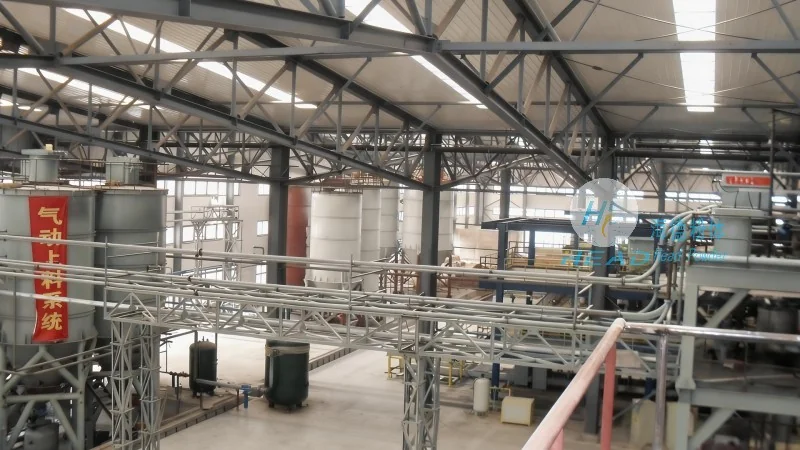
Company Overview: Shandong HeadPowder Engineering Co., Ltd.
HeadPowder, or Shandong HeadPowder Engineering Co., Ltd., is a leading manufacturer specializing in the design, development, and production of advanced pneumatic conveying systems. With a strong focus on innovation and customer satisfaction, the company has established itself as a trusted partner in the mining and material handling industry. HeadPowder's facilities are located in Shandong, China, where the company leverages local resources and expertise to deliver high-quality equipment tailored to the specific needs of its clients.
Key Features of Iron Ore Fines Pneumatic Conveying Systems
The iron ore fines pneumatic conveying systems manufactured by HeadPowder are engineered with precision to ensure optimal performance and reliability. These systems are equipped with advanced components that facilitate smooth and continuous material transport. Key features include high-capacity air pumps, efficient separation units, and durable material handling components designed to withstand the abrasive nature of iron ore fines. The equipment is also designed to minimize energy consumption while maximizing conveying efficiency, making it an economical choice for long-term operation.
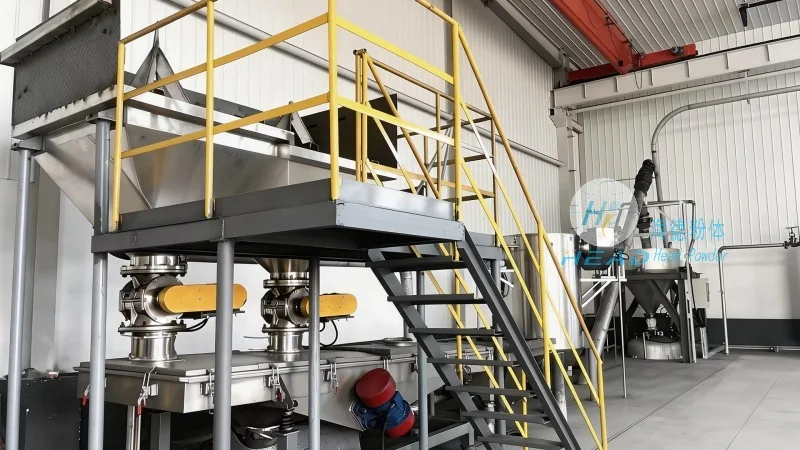
Operation Process of Iron Ore Fines Pneumatic Conveying Equipment
The operation process of iron ore fines pneumatic conveying equipment involves several key steps. Initially, the iron ore fines are loaded into the feeding hopper. From there, the material is introduced into the conveying line through a feeder mechanism. Simultaneously, a high-pressure air system generates the necessary airflow to move the material through the pipeline. The air and material mixture travels through the pipeline to the discharge point, where the material is separated from the air using a separator. The separated material is then collected in the receiving hopper, while the air is either filtered and recycled or released into the atmosphere. This process ensures efficient and continuous transport of iron ore fines with minimal downtime.
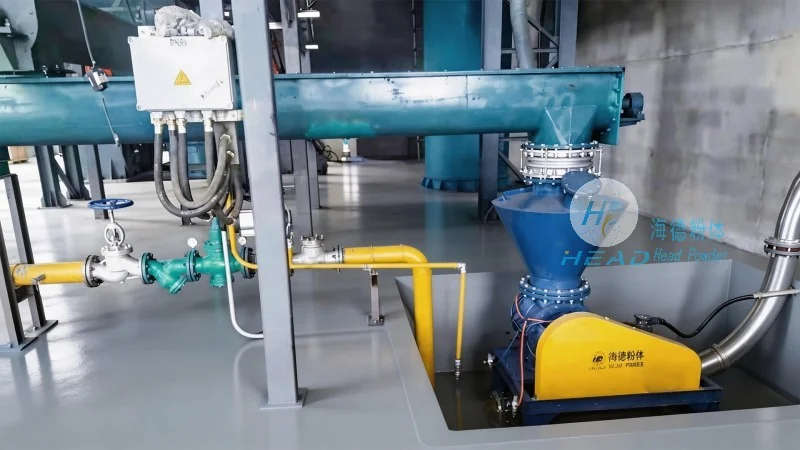
Working Principle of Iron Ore Fines Pneumatic Conveying Systems
The working principle of iron ore fines pneumatic conveying systems is based on the principle of fluidization and pneumatic transport. The system operates by creating a high-velocity air stream within the conveying pipeline. As the air flows through the pipeline, it entrains the iron ore fines, forming a suspension. The suspension is then transported through the pipeline to the destination. The separation process at the discharge end uses a cyclone or other separation technology to separate the material from the air. The air is then either filtered and recirculated to reduce energy consumption or released as exhaust. This principle allows for the efficient and safe transport of fine materials like iron ore fines, which are difficult to handle using traditional mechanical methods.
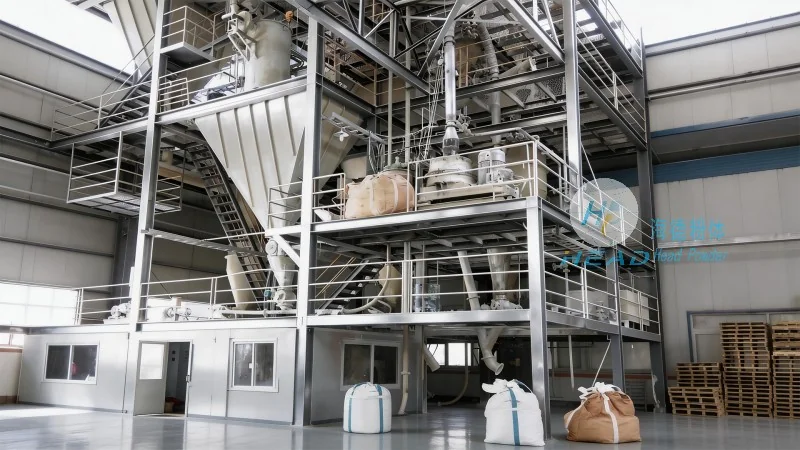
Benefits of Using Iron Ore Fines Pneumatic Conveying Equipment
Implementing iron ore fines pneumatic conveying equipment offers numerous benefits for mining operations. Firstly, it significantly reduces the risk of dust-related accidents and health issues, as the material is contained within the conveying system. Secondly, the equipment minimizes material degradation and loss during transport, ensuring higher material recovery rates. Thirdly, the system is highly flexible and can be easily integrated into existing mining infrastructure, allowing for adjustments to production needs. Additionally, the reduced need for manual handling and the lower maintenance requirements compared to mechanical conveyors contribute to overall operational efficiency and cost savings.
Application Areas of Iron Ore Fines Pneumatic Conveying Systems
Iron ore fines pneumatic conveying systems are widely used in various stages of the iron ore processing and mining industry. These systems are commonly employed in ore crushing and screening plants to transport crushed ore to storage facilities or processing units. They are also used in pelletizing plants to convey iron ore fines to the pelletizing machines, where the fines are mixed with binders and formed into pellets. Furthermore, the equipment is utilized in port and shipping operations to transport iron ore fines from storage silos to loading vessels. The versatility of the system makes it suitable for a wide range of applications, from small-scale mining operations to large-scale industrial plants.




