Shandong HeadPowder Engineering Co., Ltd., commonly known as headpowder, specializes in the design, manufacturing, and installation of advanced powder handling systems. With a focus on efficiency and reliability, the company provides comprehensive solutions for the transportation of organic salt powders, which are widely used in various industrial applications such as chemical processing, food production, and pharmaceutical manufacturing. This article aims to explore the operation process and working principle of organic salt powder conveying systems, highlighting the key components and mechanisms that ensure smooth and safe material transport.
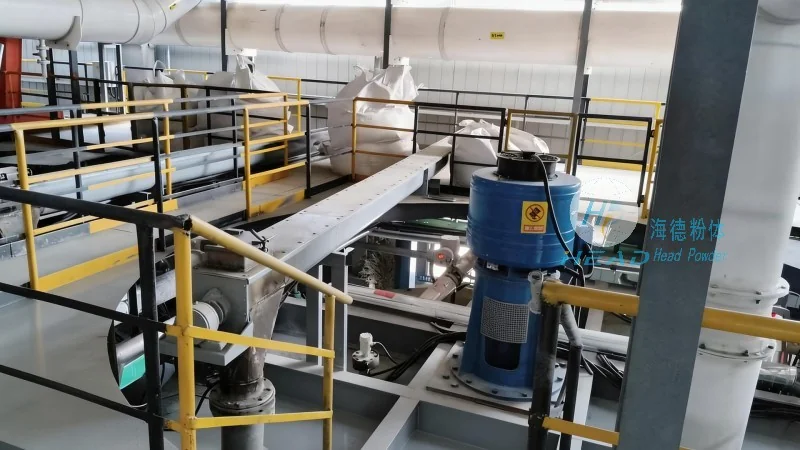
Overview of Organic Salt Powder Conveying Systems
Organic salt powder conveying systems are engineered to handle fine, dry powders like organic salts, which often present challenges in terms of flowability, dust generation, and material handling. The systems are designed to maintain the integrity of the powder while ensuring efficient transportation from the source to the destination. Key components typically include feeders, conveyors, dust collection systems, and control units, all working in tandem to achieve optimal performance. The design of these systems is tailored to the specific properties of the organic salt powder, such as particle size, moisture content, and bulk density, to prevent issues like caking, bridging, or segregation.
Key Components and Their Functions
The organic salt powder conveying system consists of several critical components, each playing a vital role in the overall operation. The feeder is the initial stage where the organic salt powder is introduced into the system. It ensures a consistent and controlled flow of material into the conveyor, preventing overloading or underloading that could disrupt the process. Common types of feeders include screw feeders, vibratory feeders, and rotary valves, which are selected based on the powder's characteristics and the required flow rate. The conveyor itself is the core of the system, responsible for transporting the powder from the feeder to the discharge point. Conveyors can be categorized into different types, such as pneumatic (air-assisted) and mechanical (belt or screw) systems, each with its own advantages and applications. Pneumatic conveyors use air pressure to move the powder through a pipeline, while mechanical conveyors rely on mechanical motion to transfer the material. The choice of conveyor type depends on factors like the distance to be covered, the volume of material, and the need for dust control.
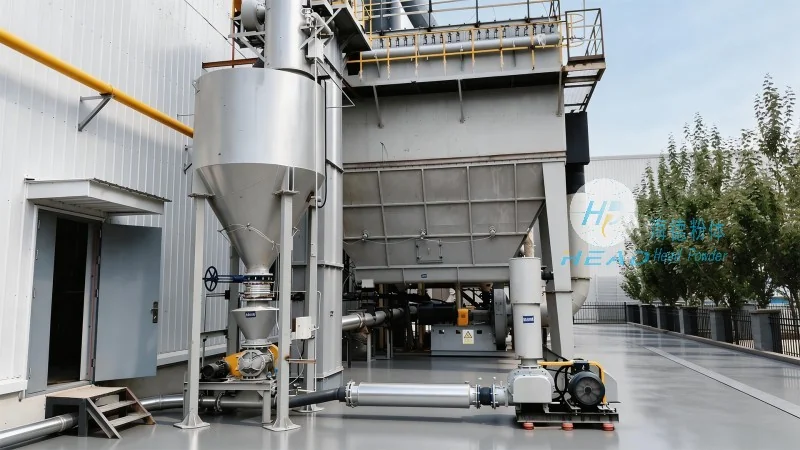
Operation Process of Organic Salt Powder Conveying
The operation process of an organic salt powder conveying system begins with the preparation of the organic salt powder at the source. The powder is typically stored in a hopper or silo, where it is conditioned to ensure uniform moisture content and particle size. The feeder then takes the powder from the hopper and feeds it into the conveyor. As the powder moves through the conveyor, it may pass through a series of stages, including a dust collection system to capture any airborne particles and prevent contamination. The conveyor transports the powder to the discharge point, where it is collected in a receiving container or directly fed into the next processing step. The entire process is controlled by a central system that monitors parameters such as flow rate, pressure, and temperature, ensuring that the operation runs smoothly and efficiently. The system is designed to be automated, with sensors and control panels that allow for real-time adjustments to maintain optimal performance. This automation not only enhances efficiency but also reduces the risk of human error and ensures consistent product quality.
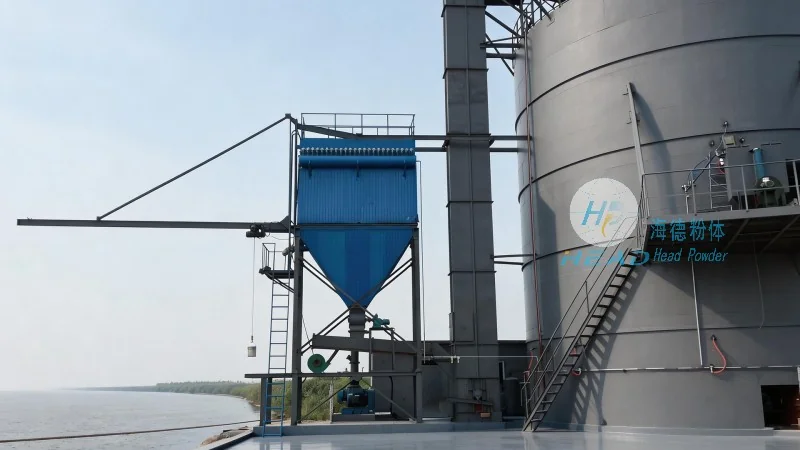
Working Principle of Organic Salt Powder Conveying
The working principle of organic salt powder conveying systems is based on the physical properties of the powder and the principles of fluid dynamics. In pneumatic conveying systems, the organic salt powder is suspended in a stream of air and transported through a pipeline. The air pressure creates a flow that carries the powder particles, while the velocity of the air ensures that the powder remains in suspension and does not settle. The system uses a combination of positive and negative pressure to move the powder, with the feed end under positive pressure and the discharge end under negative pressure. This pressure differential drives the flow of the powder through the system. In mechanical conveying systems, the powder is moved by mechanical means, such as a rotating screw or a moving belt. The screw conveyor, for example, uses a rotating screw to push the powder forward, while the belt conveyor uses a moving belt to transport the material. The mechanical action ensures that the powder is moved continuously and without the need for air assistance. Both types of systems rely on the principle of continuous flow, where the powder is moved in a steady stream from the source to the destination. The working principle also involves the control of air flow and mechanical motion to maintain the desired flow rate and prevent blockages or other issues. The system is designed to handle the specific characteristics of organic salt powders, such as their tendency to stick to surfaces or form agglomerates, by incorporating features like anti-stick coatings and vibration mechanisms to keep the powder moving smoothly.
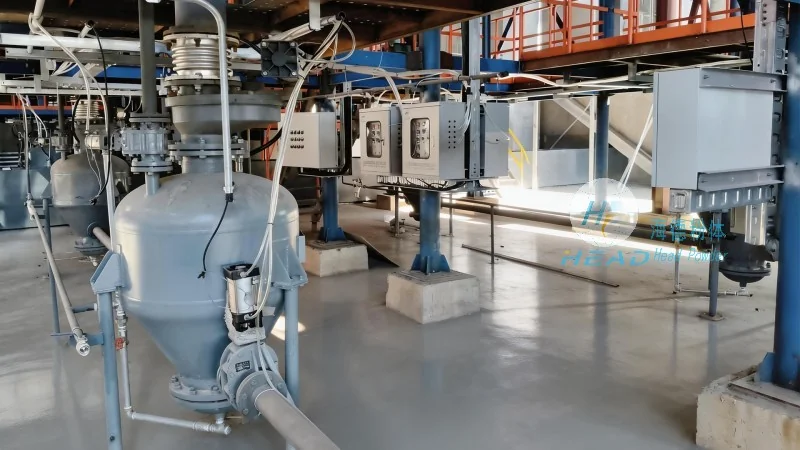
Advantages and Applications of Organic Salt Powder Conveying Systems
Organic salt powder conveying systems offer several advantages over traditional methods of material handling, such as manual handling or bucket elevators. The primary advantage is the ability to handle fine, dry powders efficiently and safely, reducing the risk of dust explosions and improving workplace safety. The systems are also designed to minimize material loss and contamination, ensuring that the organic salt powder remains in its original state throughout the transportation process. Another advantage is the flexibility of the systems, which can be customized to meet the specific needs of different industries and applications. For example, the system can be adjusted to handle different flow rates, distances, and powder types, making it suitable for a wide range of industrial processes. The applications of organic salt powder conveying systems are diverse and include the chemical industry, where organic salts are used as intermediates in the production of various chemicals; the food industry, where organic salts are used as flavor enhancers or preservatives; and the pharmaceutical industry, where they are used as active ingredients in medications. In each of these industries, the system plays a critical role in ensuring the efficient and safe transportation of the organic salt powder, which is essential for maintaining product quality and meeting production demands.
Conclusion
Organic salt powder conveying systems are essential components in modern industrial operations, providing efficient and reliable transportation of fine, dry powders. The operation process and working principle of these systems involve a combination of advanced engineering and careful design, ensuring that the organic salt powder is handled with precision and care. Shandong HeadPowder Engineering Co., Ltd. specializes in the development and implementation of such systems, leveraging their expertise to provide tailored solutions for various industrial needs. By understanding the key components, operation process, and working principle of organic salt powder conveying systems, industries can enhance their material handling processes, improve safety, and maintain product quality. As the demand for efficient and sustainable powder handling solutions continues to grow, the role of organic salt powder conveying systems will remain critical in supporting industrial production and innovation.




