HeadPowder, a leading manufacturer in the field of powder handling solutions, specializes in the development and production of polyurethane powder conveying systems. With a focus on efficiency, reliability, and durability, their products are designed to meet the demanding requirements of various industrial applications. This article provides an in-depth look at the operation process and working principle of these systems, highlighting the key components and the step-by-step functionality that ensures smooth and effective powder transportation.
Company Overview and Background
HeadPowder Engineering Co., Ltd. is a professional enterprise based in Shandong, China. The company has built a strong reputation in the industry by delivering high-quality polyurethane conveying equipment tailored to the needs of different sectors, including chemical, food, pharmaceutical, and construction industries. By combining advanced technology with rigorous quality control, HeadPowder ensures that their products are not only efficient but also safe and environmentally friendly for diverse operational environments.
The Polyurethane Powder Conveying System: Key Components and Structure
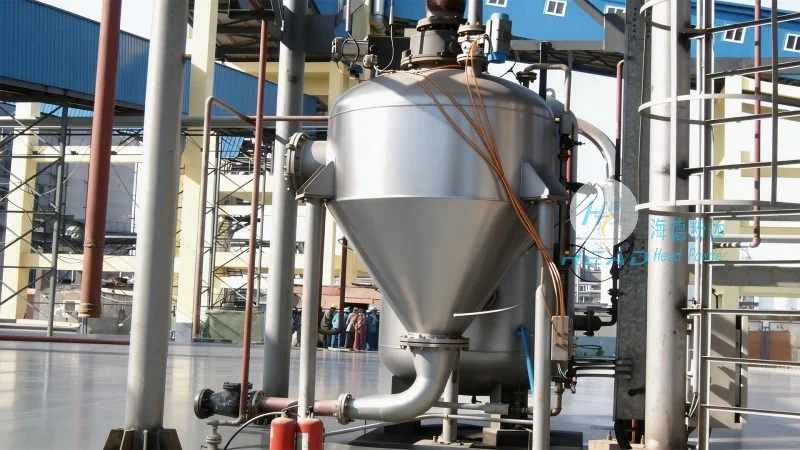
The polyurethane powder conveying system typically consists of several core components that work in tandem to transport powder materials. The primary elements include a hopper for material storage, a feeding mechanism to control the flow of powder, a conveying device such as a screw or pneumatic system, and a control panel for monitoring and adjusting the operation. The use of polyurethane materials in these components is crucial as it offers excellent resistance to abrasion, corrosion, and impact, making it ideal for handling abrasive or corrosive powders commonly found in industrial settings.
Operation Process: Step-by-Step Guide
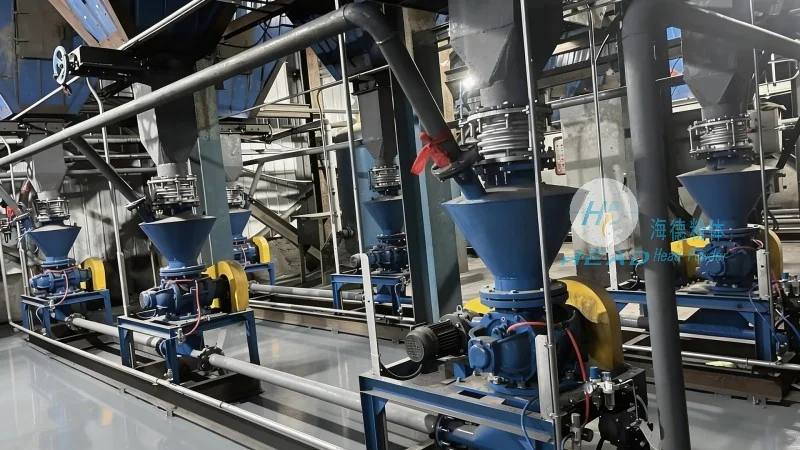
The operation of a polyurethane powder conveying system begins with the loading of the hopper. The material is fed into the hopper from a storage silo or container, and the feeding mechanism, often a rotary valve or a gate valve, regulates the flow rate to prevent overloading or underfeeding. Once the powder reaches the conveying device, it is moved through the system. In a screw conveyor, for example, the rotating screw pushes the powder forward, while in a pneumatic system, compressed air propels the powder through a pipeline. The control panel allows operators to adjust the speed of the conveyor, the pressure of the air system, or the flow rate of the feeding mechanism to maintain optimal performance. The system also includes safety features such as pressure relief valves and overload protection to prevent damage and ensure safe operation.
Working Principle: How the System Transfers Power and Material
The working principle of the polyurethane powder conveying system revolves around the transfer of material from the source to the destination while maintaining the integrity of the powder. The system utilizes either mechanical or pneumatic force to move the powder. In mechanical systems, the screw or auger rotates, creating a helical path that pushes the powder forward. The friction between the polyurethane surface and the powder helps in efficient movement without causing excessive wear. In pneumatic systems, compressed air is introduced into the pipeline, creating a pressure differential that propels the powder. The polyurethane material of the pipeline and components ensures minimal friction and resistance, allowing for smooth and consistent flow. The control system monitors parameters such as pressure, flow rate, and temperature to maintain the stability of the conveying process. By integrating these components, the system ensures that the powder is transported efficiently, with minimal loss and degradation, while maintaining a clean and safe operational environment.
Advantages and Applications of Polyurethane Powder Conveying Systems
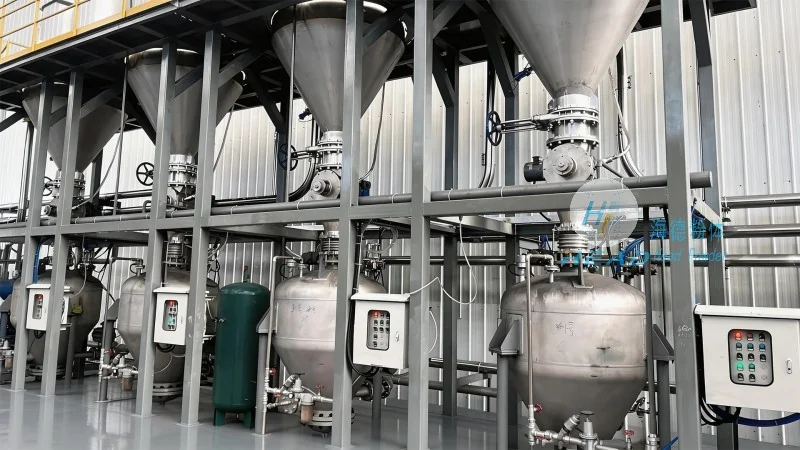
Polyurethane powder conveying systems offer several advantages over traditional metal or plastic systems. The primary benefit is the excellent abrasion resistance of polyurethane, which allows the system to handle abrasive powders without significant wear or damage. This reduces maintenance costs and extends the lifespan of the equipment. Additionally, polyurethane is resistant to corrosion and chemicals, making it suitable for handling corrosive or moisture-sensitive powders. The systems are also lightweight and easy to install, which simplifies the setup process and reduces installation time. These advantages make polyurethane conveying systems ideal for a wide range of applications, including the transportation of polyurethane powders themselves, as well as other materials like plastics, chemicals, and food products.
Conclusion
HeadPowder Engineering Co., Ltd. provides reliable and efficient polyurethane powder conveying systems that are designed to meet the diverse needs of industrial applications. By understanding the operation process and working principle of these systems, users can appreciate the advanced technology and engineering that goes into their design. The combination of durable polyurethane components, precise control mechanisms, and robust safety features ensures that these systems deliver consistent performance and longevity, making them a preferred choice for businesses seeking to optimize their powder handling operations.




