HeadPowder, a leading enterprise in the field of powder conveying technology, specializes in the design, manufacturing, and implementation of systems for handling lithium hydroxide powder. The company, based in Shandong, China, has established itself as a trusted provider of efficient and reliable solutions for the transportation of this critical chemical material. This article delves into the operational process and underlying principles of lithium hydroxide powder conveying, highlighting the technical aspects and practical applications of such systems.
Introduction to Lithium Hydroxide Powder Conveying Systems
Lithium hydroxide (LiOH) is a widely used chemical compound in various industries, including battery manufacturing, ceramics, and chemical synthesis. Its handling requires specialized equipment due to the fine powder nature and potential health hazards. Powder conveying systems are essential for safely and efficiently moving LiOH from storage to processing units. HeadPowder’s expertise lies in developing customized solutions that meet the specific demands of clients, ensuring optimal performance and safety compliance.
Key Components of a Lithium Hydroxide Powder Conveying System
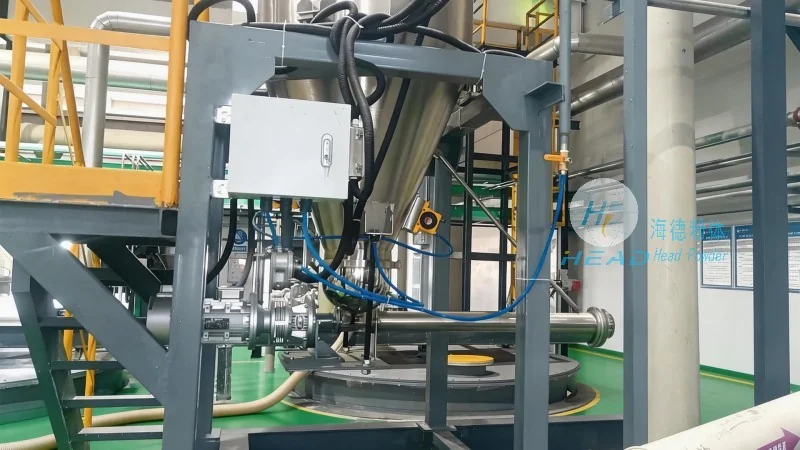
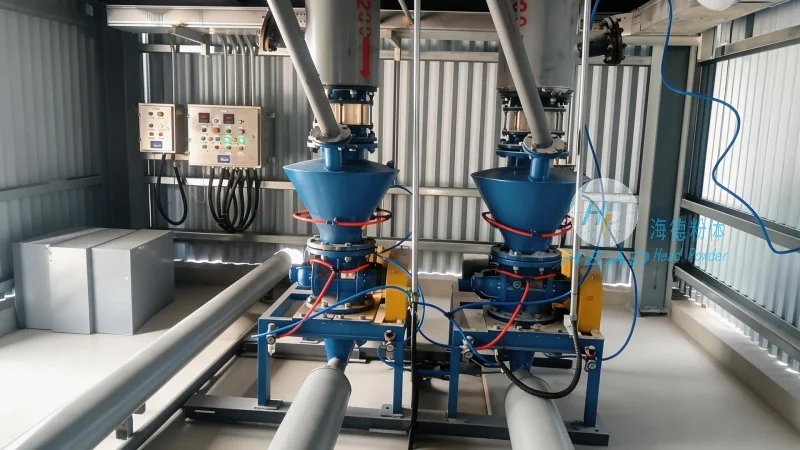
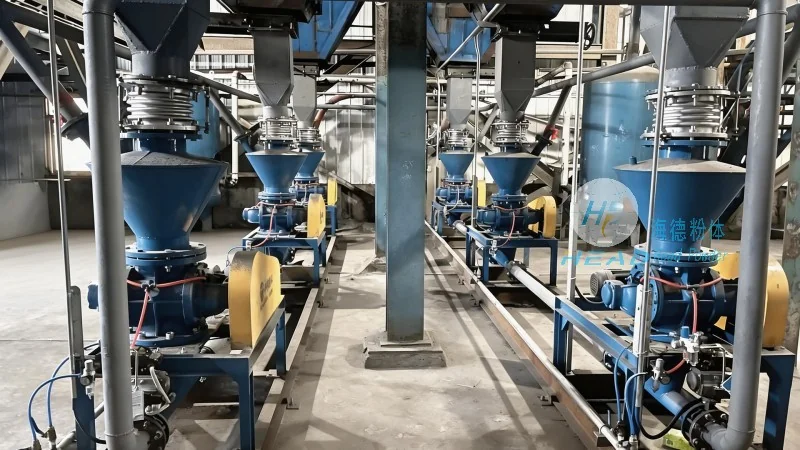
The core components of a typical LiOH powder conveying system include storage silos, feeding mechanisms, conveying lines (such as pneumatic or mechanical systems), and discharge units. Each component plays a crucial role in the overall operation. Storage silos are designed to hold large quantities of LiOH powder, often equipped with aeration systems to prevent caking and maintain material flowability. Feeding devices, like rotary valves or screw feeders, regulate the flow of powder from the silo to the conveying line. Conveying lines may utilize positive displacement blowers or vacuum pumps for pneumatic systems, or mechanical components like conveyors and buckets for mechanical systems. Discharge units ensure the powder is delivered to the intended destination, such as a reactor or mixing tank, with minimal loss and contamination.
The Operational Process of Lithium Hydroxide Powder Conveying
The operation of a lithium hydroxide powder conveying system follows a systematic sequence to ensure smooth and continuous material movement. The process begins with the loading of LiOH powder into the storage silo. Once the silo is filled, the feeding mechanism activates, controlling the rate of powder discharge. The powder then enters the conveying line, where it is transported to the discharge point. In pneumatic systems, the powder is mixed with air and propelled through the line by the pressure or vacuum created by the blower. In mechanical systems, the powder is moved by rotating components like buckets or belts. The discharge unit then separates the powder from the conveying medium and deposits it into the receiving vessel. Throughout the process, monitoring systems track parameters such as pressure, flow rate, and temperature to maintain optimal performance and prevent issues like blockages or overloading.
Working Principle of Lithium Hydroxide Powder Conveying
The working principle of lithium hydroxide powder conveying systems is based on the physical properties of the material and the chosen conveying method. For pneumatic systems, the principle involves creating a pressure differential to move the powder. A blower generates a flow of air, and the LiOH powder is entrained in this air stream, traveling through the pipeline. The air velocity must be sufficient to prevent the powder from settling but not so high as to cause excessive wear on the system components. Mechanical systems, on the other hand, rely on the mechanical action of moving parts to transport the powder. For example, a bucket elevator uses rotating buckets to lift and move the powder vertically, while a screw conveyor uses a rotating screw to push the powder forward horizontally. The choice of system depends on factors such as the material's characteristics, the distance to be conveyed, and the required flow rate.
Ensuring Safety and Efficiency in Lithium Hydroxide Powder Conveying
Handling lithium hydroxide powder requires strict adherence to safety protocols due to its potential irritant properties and the risk of dust explosions. HeadPowder’s systems incorporate multiple safety features, including dust collection systems, explosion-proof components, and material flow monitoring. Regular maintenance and cleaning are essential to prevent clogging and ensure consistent performance. The company also provides comprehensive training to operators on the safe operation of the conveying systems, emphasizing the importance of proper handling and emergency procedures. By prioritizing safety and efficiency, HeadPowder ensures that its clients can rely on their powder conveying systems for long-term, reliable operation.
Customization and Application of Lithium Hydroxide Powder Conveying Solutions
HeadPowder understands that each client's needs are unique, and therefore offers customized powder conveying solutions tailored to specific requirements. The company works closely with clients to assess their operational needs, including the volume of LiOH to be conveyed, the distance, and the environmental conditions. Based on this assessment, HeadPowder designs and manufactures a system that meets the client's specifications. The solutions can be adapted for various applications, such as moving LiOH from storage to a battery manufacturing plant, or from a production line to a storage facility. The company's expertise in powder handling technology allows it to provide solutions that are both efficient and cost-effective, helping clients optimize their production processes and reduce downtime.




