HeadPowder, a prominent engineering company headquartered in Shandong, China, is dedicated to providing innovative solutions for the handling of gypsum, a widely used industrial material. This article delves into the equipment that constitutes a gypsum pneumatic conveying system, as well as the fundamental structural principles that enable its efficient operation. By understanding these components and their interplay, users can gain insights into how such systems enhance material transport in industrial settings.
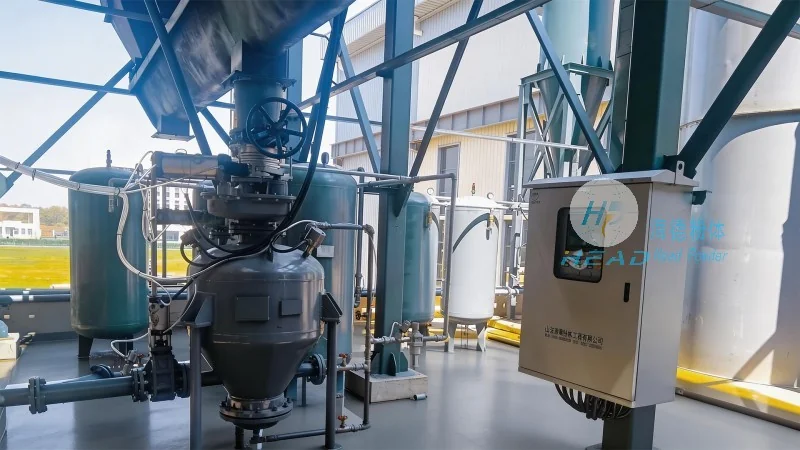
Key Components of Gypsum Pneumatic Conveying Systems
A gypsum pneumatic conveying system typically consists of several critical components, each playing a vital role in the overall process. The primary elements include the material feeder, which ensures a consistent and controlled supply of gypsum into the system. This component is often designed with features such as rotary valves or screw feeders to maintain a steady flow, preventing blockages and ensuring smooth operation. The feeder is connected to a series of flexible or rigid pipelines that form the conveying path. These pipelines are engineered to withstand the pressure and friction associated with transporting gypsum particles, often using materials like stainless steel or specialized polymers to resist corrosion and wear.
The Role of the Air Supply System
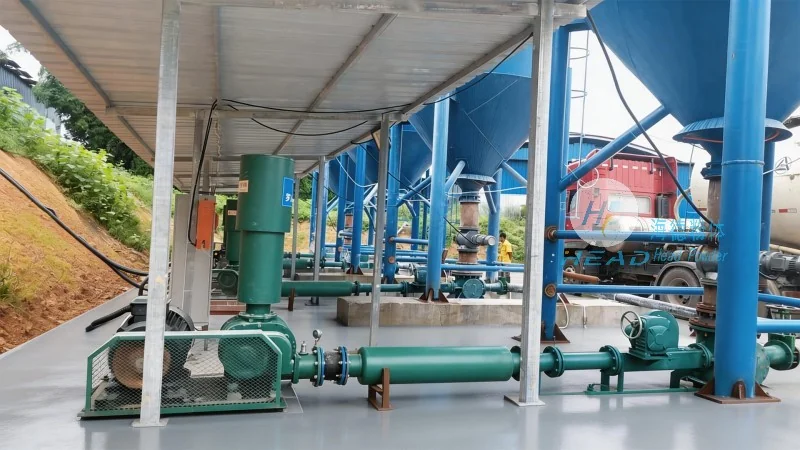
At the heart of any pneumatic conveying system is the air supply mechanism, which generates the necessary pressure or vacuum to move the gypsum particles. This system typically includes a blower or compressor, depending on the type of conveying (suction or pressure). For suction systems, a vacuum pump creates a negative pressure that draws the material from the source, while pressure systems use a positive pressure to push the material through the pipelines. The air supply is often equipped with filters and moisture separators to ensure clean air, as contaminants can affect the system's performance and the quality of the conveyed material. Additionally, the system may incorporate pressure regulators and flow meters to maintain consistent air pressure and volume, optimizing the conveying efficiency.
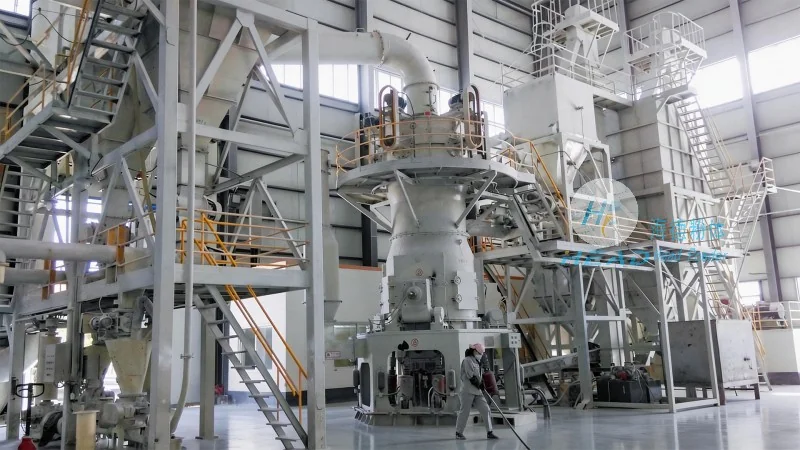
Conveying Modes: Suction vs. Pressure
Gypsum pneumatic conveying systems can operate in two main modes: suction (or vacuum) and pressure. The choice between these modes depends on factors such as the distance to be covered, the height of the material lift, and the required flow rate. Suction systems are generally used for shorter distances and lower heights, as they rely on creating a vacuum to pull material. These systems are often more compact and require less power, making them suitable for applications where space is limited. On the other hand, pressure systems are ideal for longer distances or higher elevations, as they use positive pressure to force the material through the pipelines. Pressure systems typically offer higher flow rates and can handle larger quantities of material, but they require more robust components and higher energy input.
Material Separation and Recovery
As the gypsum travels through the conveying system, it eventually reaches a separation or recovery unit. This component is crucial for separating the material from the air stream and returning it to the process or storage. Common separation methods include cyclone separators, bag filters, or electrostatic precipitators. Cyclone separators use centrifugal force to separate larger particles from the air, while bag filters capture fine dust particles. The separated material is then collected in a hopper or bin, ready for further processing or use. The air, now free of particulates, is either vented to the atmosphere or recirculated back into the system, depending on environmental regulations and operational requirements.
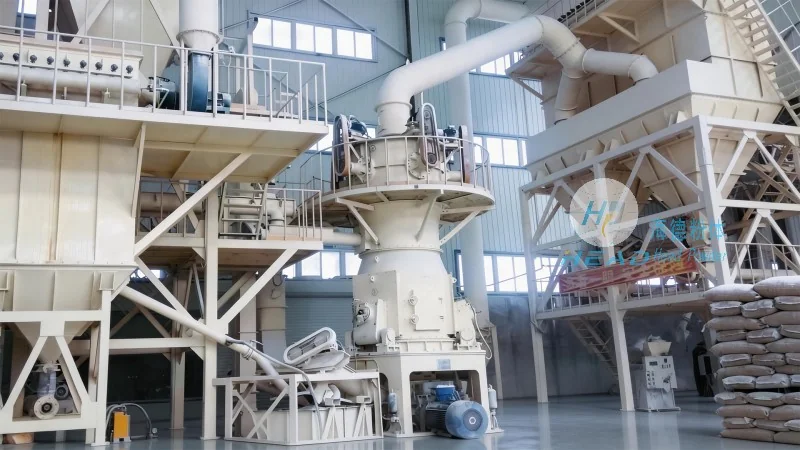
Advantages of Gypsum Pneumatic Conveying Systems
Implementing a gypsum pneumatic conveying system offers several advantages over traditional methods like belt conveyors or bucket elevators. One of the key benefits is the ability to transport material in a closed system, which minimizes dust emissions and improves workplace safety. This is particularly important for gypsum, which can be a respiratory irritant if inhaled in large quantities. Additionally, pneumatic systems are highly flexible, allowing for changes in the conveying route or direction without major modifications to the infrastructure. They also enable the integration of multiple material sources or destinations, enhancing operational efficiency. Furthermore, these systems are relatively compact and can be installed in confined spaces, making them suitable for facilities with limited floor area. The automation capabilities of modern pneumatic conveying systems also contribute to reduced labor costs and increased productivity.
Applications in Industrial Settings
Gypsum pneumatic conveying systems are widely used in various industrial applications where calcium sulfate is a key component. These include the construction industry, where gypsum is used in drywall and plaster production; the pharmaceutical industry, where it serves as a filler or excipient in drug formulations; and the agricultural sector, where it is used as a soil amendment or fertilizer. In each of these applications, the system ensures that gypsum is transported efficiently and safely from storage to processing equipment. The ability to handle both dry and slightly moist gypsum without causing clogging or degradation makes these systems versatile and reliable. By leveraging the structural principles and equipment outlined above, industries can optimize their material handling processes, reduce downtime, and improve overall operational performance.




