Understanding the operation process and working principle of dry sludge powder conveying systems is crucial for optimizing waste management and industrial efficiency. These systems are designed to handle dry, fine sludge particles, which are often challenging to transport due to their cohesive and dusty nature. The technology behind such systems leverages advanced engineering principles to ensure reliable, low-maintenance, and cost-effective material transport. In this article, we delve into the step-by-step operation and the underlying mechanisms that make dry sludge powder conveying systems effective for various industrial applications.
Key Components and Their Roles
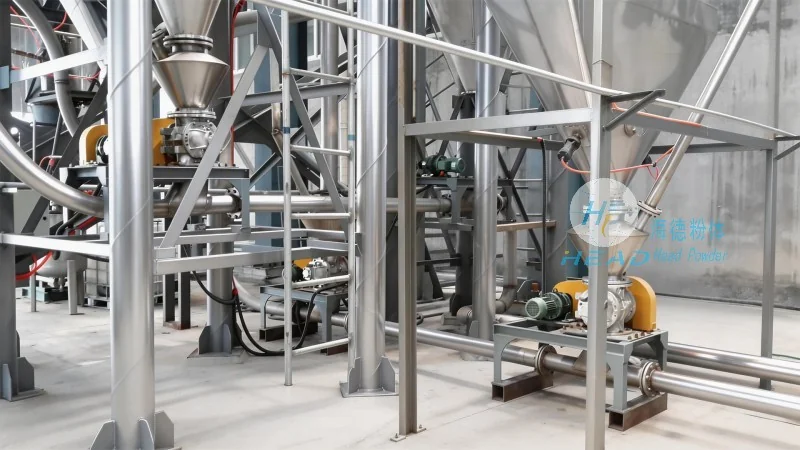
The dry sludge powder conveying system typically consists of several core components, each playing a vital role in the overall process. The primary components include the sludge feeding unit, the conveying pipeline, the air supply system, and the control panel. The sludge feeding unit is responsible for introducing the dry sludge powder into the system, ensuring a consistent and controlled flow. The conveying pipeline, often made of durable materials like stainless steel or special plastic, transports the sludge particles through the system. The air supply system, which may use positive or negative pressure, provides the necessary force to move the material along the pipeline. The control panel allows operators to monitor and adjust the system parameters, such as air pressure and flow rate, to maintain optimal performance.
Operation Process: Step-by-Step Overview
The operation of a dry sludge powder conveying system follows a systematic sequence of steps to ensure efficient material transport. The process begins with the preparation of the dry sludge powder, which is often achieved through dewatering and drying processes to reduce moisture content and achieve a suitable powder consistency. Once prepared, the sludge is fed into the system via the feeding unit. The air supply system then generates a flow of air within the pipeline, creating a positive or negative pressure environment that propels the sludge particles forward. As the sludge moves through the pipeline, it is carried by the air stream, which helps to prevent clogging and maintain a consistent flow rate. The system may also include features like pulse jets or vibration mechanisms to further enhance the conveying efficiency, especially for cohesive or fine particles. At the end of the pipeline, the sludge is discharged into the receiving container or processing unit. Throughout the operation, the control panel continuously monitors key parameters, such as pressure, flow rate, and temperature, to ensure the system operates within safe and efficient limits.
Working Principle: The Physics Behind Conveying
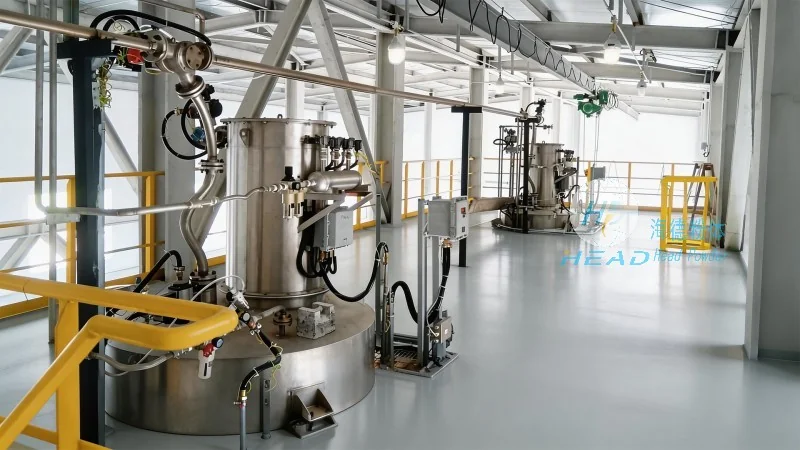
The working principle of dry sludge powder conveying systems is based on fluid dynamics and particle transport theory. The core concept is to use air as the conveying medium, which interacts with the sludge particles to create a suspension. This suspension allows the particles to be transported through the pipeline without direct contact with the pipe walls, reducing wear and tear. The system operates on the principle of pneumatic conveying, where the air flow provides the necessary kinetic energy to move the particles. The pressure differential between the inlet and outlet of the pipeline creates the driving force for material transport. For positive pressure systems, air is supplied at a higher pressure at the inlet, pushing the sludge particles through the pipeline. For negative pressure systems, a vacuum is created at the outlet, pulling the sludge particles into the pipeline. The choice between positive and negative pressure depends on factors such as the distance to be covered, the particle size, and the system layout. Additionally, the system may use different conveying modes, such as dilute phase or dense phase, to optimize performance based on the specific characteristics of the sludge powder.
Advantages of Dry Sludge Powder Conveying Systems
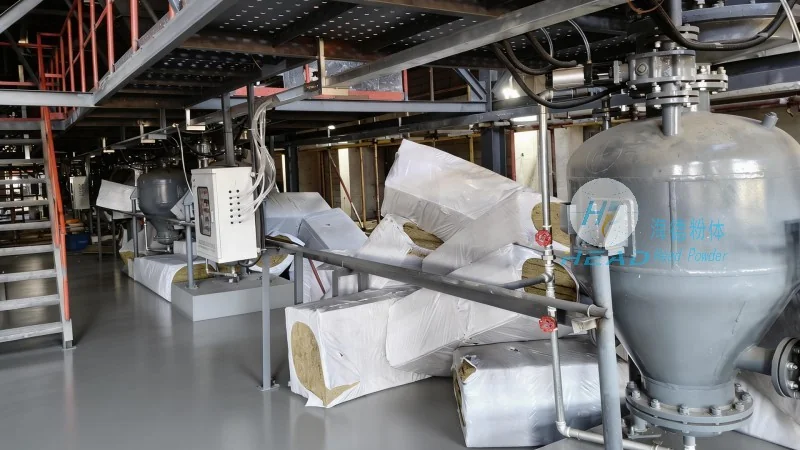
Dry sludge powder conveying systems offer several advantages over traditional methods of sludge transport. One of the primary benefits is the ability to handle dry, fine particles without the need for water or other liquids, which reduces the risk of clogging and corrosion. The systems are also highly efficient in terms of energy consumption, as they use compressed air or vacuum systems that are more energy-efficient than mechanical conveyors. Another advantage is the low maintenance requirement, as the components are designed to withstand the abrasive nature of sludge particles and are easy to clean and maintain. Furthermore, the systems provide a hygienic and safe method of transport, as they minimize exposure to moisture and odors, and reduce the risk of cross-contamination. These advantages make dry sludge powder conveying systems an ideal solution for industries such as wastewater treatment, food processing, and pharmaceuticals, where the handling of sludge is critical to operational efficiency and environmental compliance.
Applications and Industrial Use Cases
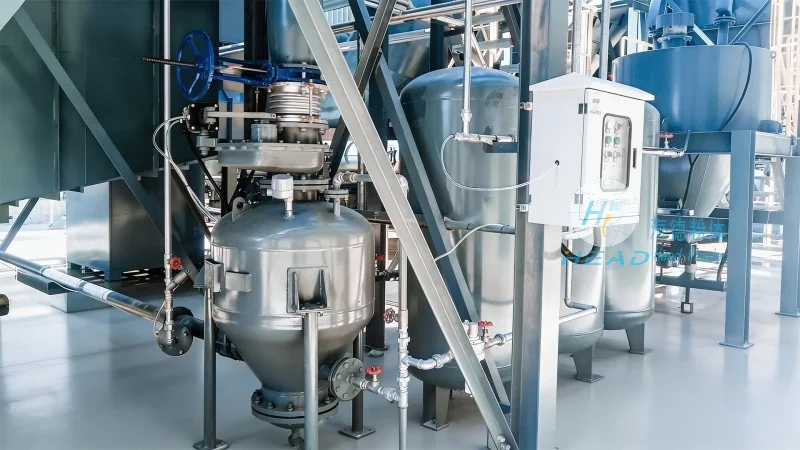
Dry sludge powder conveying systems are widely used in various industrial sectors due to their versatility and effectiveness. In wastewater treatment plants, these systems are used to transport dried sludge from the dewatering process to the disposal or reuse facilities. The systems ensure that the sludge is moved efficiently and without the need for manual handling, which improves safety and reduces labor costs. In the food processing industry, dry sludge from processes like cheese making or meat processing is conveyed to storage or treatment units using these systems. The ability to handle fine, dry particles in these applications is crucial for maintaining product quality and preventing contamination. Similarly, in the pharmaceutical industry, sludge from drug manufacturing processes is transported using dry sludge powder conveying systems, ensuring that the material is handled in a sterile and controlled manner. The systems are also used in other industries, such as chemical manufacturing and paper production, where sludge management is a critical part of the production process. In each of these applications, the dry sludge powder conveying system provides a reliable and efficient method of material transport, contributing to overall operational efficiency and environmental sustainability.
Conclusion and Company Overview
In conclusion, the operation process and working principle of dry sludge powder conveying systems are based on advanced engineering and fluid dynamics, enabling efficient and reliable transport of dry sludge particles. The systems offer significant advantages over traditional transport methods, including low maintenance, energy efficiency, and hygienic operation. As industries continue to focus on sustainable waste management and operational efficiency, the demand for such systems is expected to grow. Shandong HeadPowder Engineering Co., Ltd., a leading provider of dry sludge powder conveying systems, specializes in designing and manufacturing customized solutions tailored to the specific needs of various industries. With a focus on innovation and quality, the company ensures that its systems meet the highest standards of performance and reliability. HeadPowder's commitment to customer satisfaction and environmental responsibility makes it a trusted partner for industries seeking to optimize their sludge management processes. Based in Shandong, China, the company leverages its expertise and local resources to deliver cutting-edge solutions that address the evolving needs of the global market.




