PP (polypropylene) powder conveying machines are essential equipment in industrial processes, designed to transport polypropylene powder efficiently and reliably. These machines are widely used in various sectors such as plastics manufacturing, chemical processing, and material handling due to their ability to handle bulk materials with precision. The operation and working principles of these machines are crucial for ensuring optimal performance and maintaining product quality. This article will delve into the detailed operation process and working principles of PP powder conveying machines, providing insights into their functionality and practical applications. Manufactured by Shandong HeadPowder Engineering Co., Ltd., a leading provider of industrial conveying solutions, these machines are engineered to meet the demands of modern industrial environments.
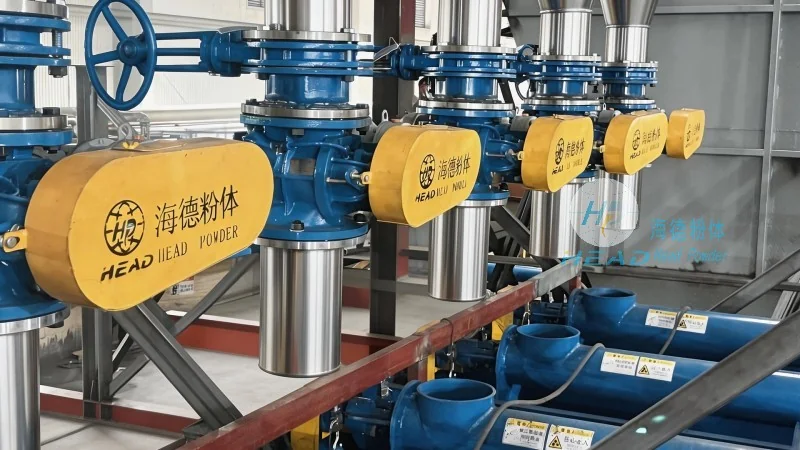
Key Components of PP Powder Conveying Machines
Before understanding the operation process, it is important to familiarize oneself with the key components of a typical PP powder conveying machine. These components work in tandem to facilitate the smooth transport of powder. The main components include a hopper for material storage, a feeding mechanism (such as a screw or rotary valve), a conveying system (like a pneumatic or mechanical conveyor), a control panel for operation, and a discharge outlet for material release. Each component plays a vital role in the overall functionality of the machine, ensuring that the powder is handled safely and efficiently. The hopper is designed to hold a sufficient quantity of PP powder, preventing material buildup and ensuring a steady feed to the conveying system. The feeding mechanism regulates the flow of powder into the conveyor, while the conveying system transports the powder to the desired location. The control panel allows operators to monitor and adjust the machine's settings, and the discharge outlet facilitates the release of the processed powder. Understanding these components is essential for troubleshooting and maintaining the machine's performance.
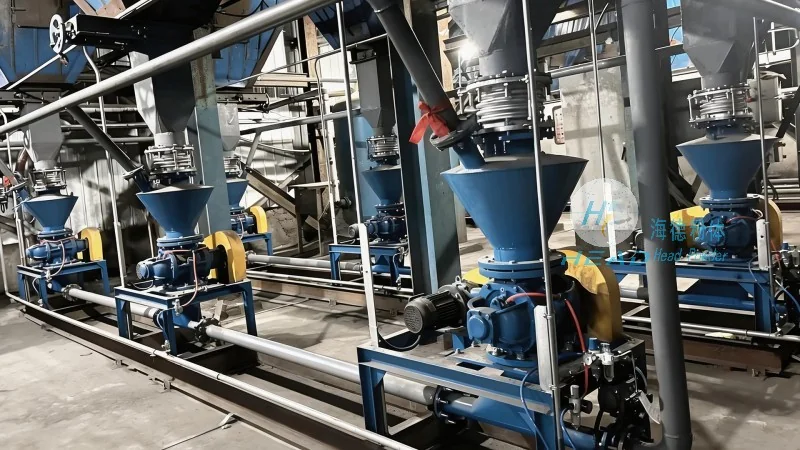
The Operation Process of PP Powder Conveying Machines
The operation process of a PP powder conveying machine involves several sequential steps, each critical to the efficient transport of the material. The process typically begins with the loading of PP powder into the hopper. The powder is then fed into the conveying system through the feeding mechanism. The conveying system, which can be either pneumatic or mechanical, moves the powder along the designated path. Pneumatic conveying systems use compressed air to transport the powder, while mechanical systems rely on screws or belts to move the material. The control panel allows operators to adjust the speed and pressure settings to optimize the conveying process. The powder is then discharged from the machine at the desired location. The entire operation process is designed to minimize material loss and ensure consistent flow rates. Regular maintenance and monitoring of the machine's components are necessary to maintain its efficiency and prevent downtime. The operation process is straightforward but requires careful attention to detail to ensure optimal performance.
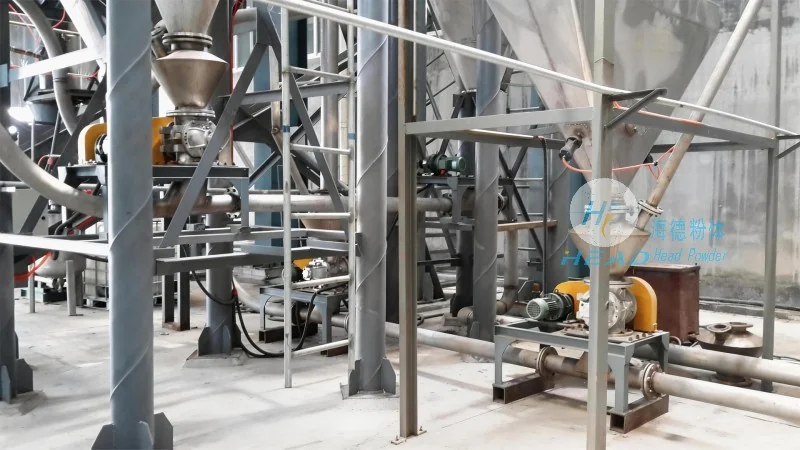
Working Principles of PP Powder Conveying Machines
The working principles of PP powder conveying machines are based on the physics of material transport and the mechanics of the conveying system. The primary principle is the conversion of energy into motion to move the powder from the source to the destination. In pneumatic conveying systems, compressed air is used to create a pressure differential that propels the powder particles through the pipeline. The air and powder mixture travels through the system, with the air providing the necessary force to overcome friction and gravity. In mechanical conveying systems, the rotating components (such as screws or belts) create a drag force that pulls the powder along the conveyor. The speed and torque of the mechanical components are adjusted to match the material's properties and the required flow rate. The working principles also involve the control of particle size and moisture content, as these factors can affect the conveying efficiency. Proper design and maintenance of the conveying system are crucial to ensure that the powder is transported without segregation or degradation. The working principles are well-established and have been refined over time to meet the demands of modern industrial applications.
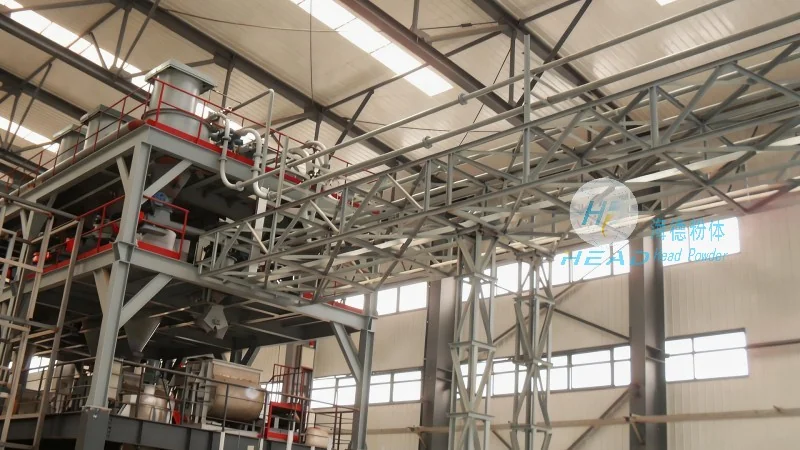
Applications and Benefits of PP Powder Conveying Machines
PP powder conveying machines are used in a wide range of applications across various industries. In the plastics industry, these machines are used to transport polypropylene powder to extrusion and molding machines, ensuring a consistent supply of material for production. In chemical processing, they are used to handle bulk chemicals and powders, facilitating the mixing and processing of raw materials. The benefits of using PP powder conveying machines include improved efficiency, reduced labor costs, and enhanced safety. The machines can handle large quantities of material with minimal human intervention, reducing the risk of accidents and improving productivity. Additionally, the precise control of the conveying process ensures that the material is transported without contamination or degradation, maintaining product quality. The machines are also designed to be durable and reliable, with long service life and low maintenance requirements. These benefits make PP powder conveying machines an essential investment for businesses looking to optimize their material handling processes.




