When it comes to handling and transporting cement and other dry powders efficiently, specialized equipment is essential. This article explores the concept of cement dry powder conveying equipment, detailing its purpose and the underlying design principles that make it effective for industrial applications.
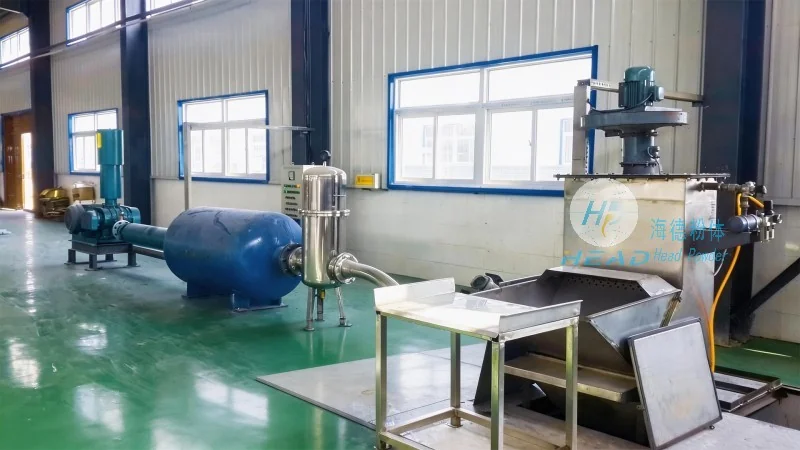
Understanding the Core Function of Cement Dry Powder Conveying Equipment
Cement dry powder conveying equipment is specifically designed to transport bulk dry materials like cement, fly ash, and other powders from one location to another within industrial settings. The primary goal is to achieve reliable, continuous, and low-loss material transfer, which is critical for maintaining production efficiency and minimizing operational costs.
Key Design Principles Behind the Equipment
The design of cement dry powder conveying equipment is guided by several fundamental principles to ensure optimal performance. These include: maintaining consistent material flow, minimizing material degradation or segregation, ensuring energy efficiency, and providing durability under harsh operating conditions. Engineers at Shandong HeadPowder Engineering Co., Ltd. focus on these principles when developing their solutions, ensuring that each system is tailored to meet the unique requirements of the client's application.
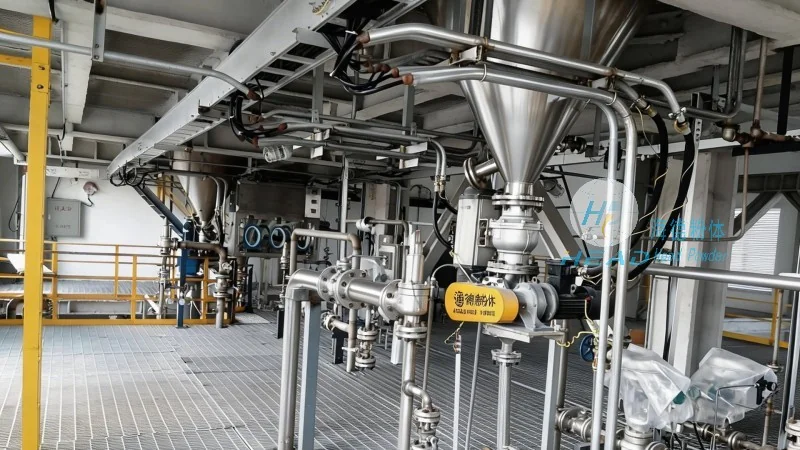
Components and Working Mechanism
Typical cement dry powder conveying equipment consists of several key components, including a hopper for material storage, a conveying mechanism (such as a screw conveyor, pneumatic system, or pneumatic-screw hybrid), and a control system for regulating flow and pressure. The conveying mechanism is the heart of the system, responsible for moving the dry powder through the pipeline. For example, pneumatic conveying systems use compressed air to transport materials, while screw conveyors rely on rotating screws to push the material forward. The choice of mechanism depends on factors like material properties, distance to be conveyed, and the required flow rate.
Advantages of Using Cement Dry Powder Conveying Equipment
Implementing specialized conveying equipment for cement and dry powders offers numerous advantages. These include reduced labor costs due to automated material handling, improved safety by minimizing manual handling of powders, and enhanced product quality through consistent and controlled transfer. Additionally, the equipment helps in maintaining a clean and dust-free environment, which is crucial for preventing contamination and ensuring compliance with industrial standards.
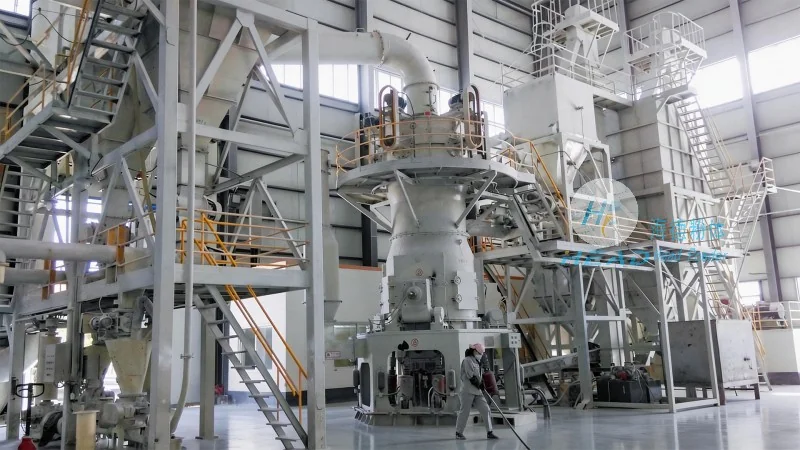
Application Scenarios
Cement dry powder conveying equipment is widely used in various industries, including cement manufacturing, construction, and chemical processing. In cement plants, it is used to transport raw materials to the kiln and finished cement to storage silos. In construction sites, it aids in delivering cement to mixing stations and other work areas. The versatility of these systems makes them suitable for a range of applications where reliable dry powder transport is required.
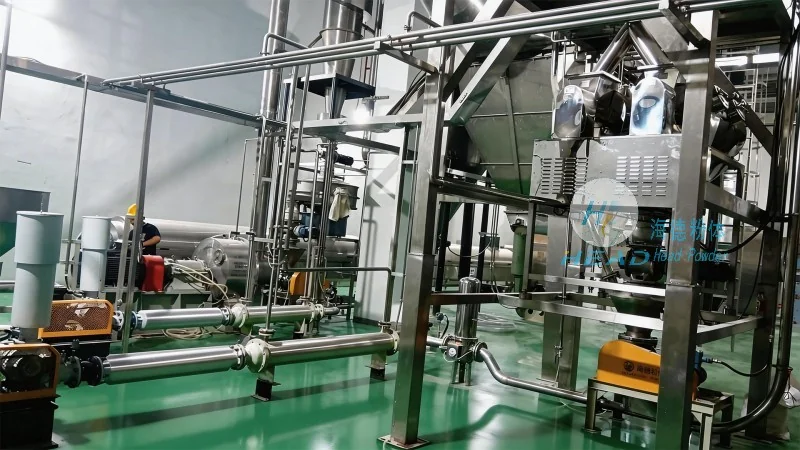
Customization and Integration with Existing Systems
Shandong HeadPowder Engineering Co., Ltd. understands that each industrial facility has unique operational needs. Therefore, they offer customized solutions that can be integrated seamlessly with existing production lines. This includes designing equipment that matches the client's material handling capacity, conveying distance, and environmental requirements. The company's engineering team works closely with clients to assess their specific needs and develop a tailored conveying system that maximizes efficiency and minimizes downtime.
Conclusion
Cement dry powder conveying equipment plays a vital role in modern industrial operations, enabling efficient and reliable transport of bulk dry materials. By adhering to sound design principles and leveraging advanced engineering, companies like Shandong HeadPowder Engineering Co., Ltd. provide solutions that meet the demands of today's manufacturing environments. Whether for new installations or upgrades to existing systems, investing in high-quality conveying equipment is essential for maintaining productivity and ensuring long-term operational success.




