Phenolic powder material handling equipment is a specialized type of machinery designed to efficiently transport and manage phenolic powder, a thermosetting plastic powder commonly used in industrial applications. These systems are engineered to handle the unique properties of phenolic powder, such as its fine particle size, static charge tendency, and potential for dust generation. The design principles behind these equipment aim to ensure safe, reliable, and efficient material handling while minimizing risks associated with powder handling, including dust explosions and material loss.
Introduction to Phenolic Powder Material Handling Equipment
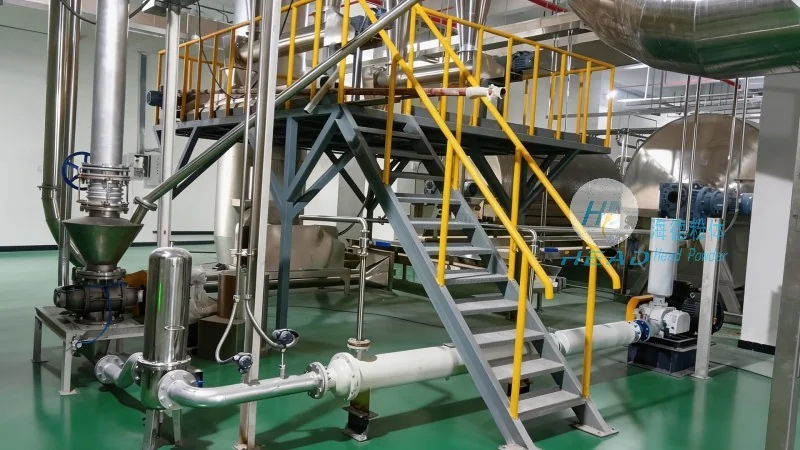
Phenolic powder, also known as phenol-formaldehyde resin powder, is widely used in the manufacturing of electrical components, automotive parts, and other industrial products due to its excellent electrical insulation properties and heat resistance. However, the fine nature of this powder makes it challenging to handle without specialized equipment. Material handling equipment for phenolic powder is designed to address these challenges by providing solutions for feeding, conveying, storing, and dispensing the powder in a controlled manner. The primary goal is to maintain the powder's quality, prevent contamination, and ensure consistent performance in downstream processes.
Key Design Principles of Phenolic Powder Handling Systems
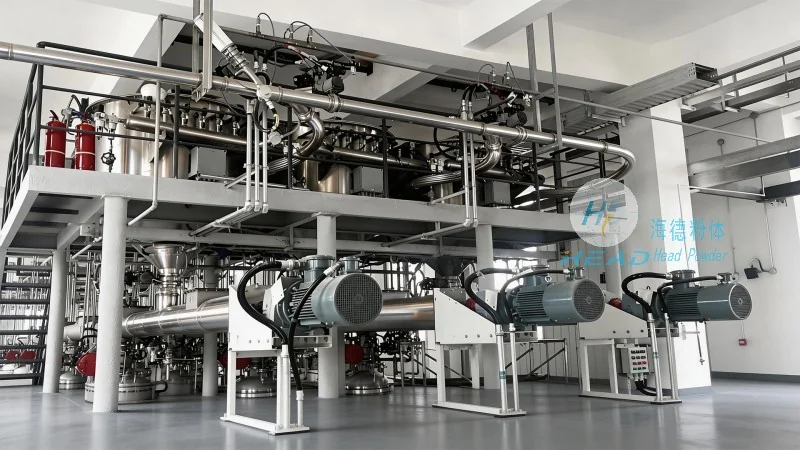
The design of phenolic powder material handling equipment is guided by several critical principles to ensure optimal performance and safety. First, the equipment must be capable of handling the static charge that often accumulates on phenolic powder particles. This is typically achieved through grounding mechanisms, anti-static additives, or conductive materials in the equipment components. Second, the system must minimize dust generation and ensure proper containment to prevent inhalation hazards and environmental contamination. This involves using sealed containers, enclosed conveyor systems, and efficient dust collection systems. Third, the equipment is designed to handle the fine particle size of phenolic powder, which can lead to clogging or blockages in traditional conveying systems. Specialized components, such as flexible hoses with anti-static properties or rotary valves with precise metering capabilities, are used to address this issue. Fourth, the design emphasizes energy efficiency and operational reliability, with features like variable speed drives and robust construction to reduce maintenance costs and downtime.
Components and Functionality of Phenolic Powder Material Handling Equipment
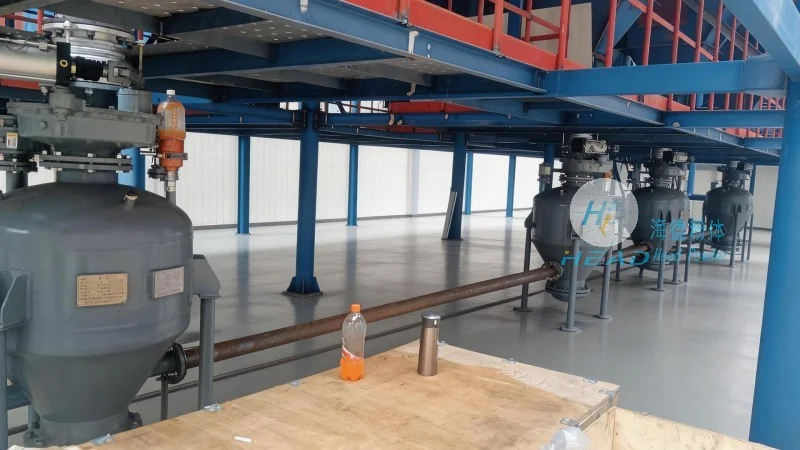
Phenolic powder material handling systems typically consist of several key components, each playing a crucial role in the overall operation. The primary components include feeders, conveyors, storage hoppers, and dispensing units. Feeders, such as rotary valves or screw feeders, are used to control the flow rate of the powder from the storage hopper to the conveyor system. These feeders are designed to handle the fine powder without clogging and can be adjusted to maintain a consistent flow rate. Conveyors, often in the form of flexible hoses or enclosed pipelines, transport the powder from the feeder to the processing or storage location. The choice of conveyor type depends on the specific application, with considerations for material flow, distance, and environmental conditions. Storage hoppers are used to hold large quantities of phenolic powder and are equipped with features like dust collection ports and level indicators to monitor the powder level. Dispensing units, such as metering pumps or gravity feed systems, are used to deliver the powder to downstream processes, ensuring precise and controlled dispensing.
Applications and Benefits of Phenolic Powder Handling Equipment
Phenolic powder material handling equipment is used in a variety of industrial applications where phenolic powder is a key raw material. In the electrical and electronics industry, these systems are used to feed phenolic powder into molding machines for the production of insulators and other components. In the automotive industry, they are used to handle phenolic powder for the manufacturing of brake components and other parts. The benefits of using specialized phenolic powder handling equipment include improved material quality, reduced waste, and enhanced safety. By controlling the flow and handling of the powder, these systems minimize the risk of dust explosions and ensure consistent product quality. Additionally, the equipment helps to reduce labor costs by automating the material handling process and improving operational efficiency.
Conclusion and Company Information
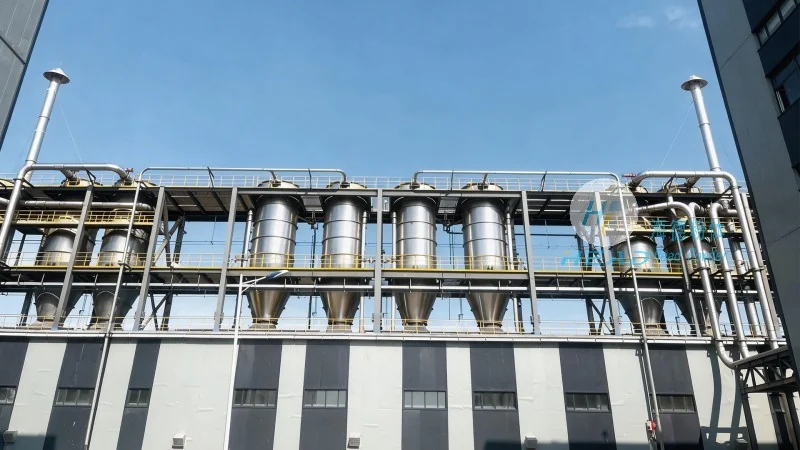
Phenolic powder material handling equipment is a critical component in the industrial production of phenolic-based products. The design principles and components of these systems are tailored to address the unique challenges of handling fine, static-charged powder. By using specialized equipment, manufacturers can ensure safe, efficient, and reliable material handling, leading to improved product quality and reduced operational costs. Shandong HeadPowder Engineering Co., Ltd., a leading manufacturer of material handling equipment, specializes in designing and manufacturing phenolic powder handling systems that meet the specific needs of industrial applications. With a focus on safety, efficiency, and reliability, HeadPowder provides high-quality equipment that helps manufacturers optimize their production processes and enhance their competitive edge in the market.




