For industrial applications requiring precise and efficient powder material transport, the metering bin pump stands out as a critical piece of equipment. This article delves into the operational mechanics and working principles of such a system, highlighting how it ensures reliable and controlled movement of bulk powders. The discussion is anchored by the expertise of Shandong HeadPowder Engineering Co., Ltd., a leading manufacturer in the field, based in Shandong, China.
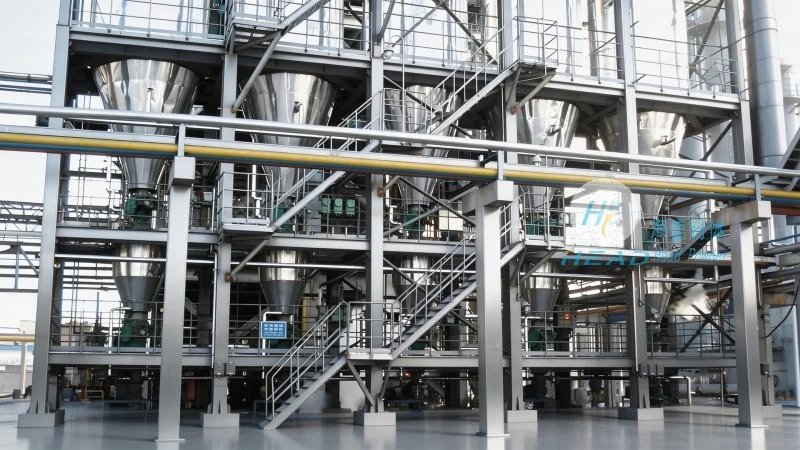
Introduction to Metering Bin Pumps
A metering bin pump is a specialized device designed to handle the transport of dry bulk materials, such as powders, granules, or fine particles. It operates on the principle of creating a pressure differential to move material from a storage bin to a discharge point. The system combines elements of a hopper, a pump mechanism, and a control system to achieve precise flow rates and consistent performance. This technology is widely used in industries like cement, chemicals, food processing, and pharmaceuticals, where accurate dosing and material handling are paramount.
Working Principle of the Metering Bin Pump
The core of the metering bin pump's operation lies in its ability to generate and control pressure within the system. The process begins with the material being fed into the hopper or storage bin. As the pump chamber is filled, a valve or gate mechanism closes to prevent backflow. The pump then uses a piston or diaphragm to compress the air or gas within the chamber, creating a high-pressure environment. This pressure forces the material to move through the discharge line towards the target destination. The system is equipped with sensors and control valves that regulate the pressure and flow rate, ensuring that the material is transported at the desired speed and quantity. The metering function is achieved through adjustable parameters, such as the stroke length and frequency of the pump, allowing for precise control over the output.
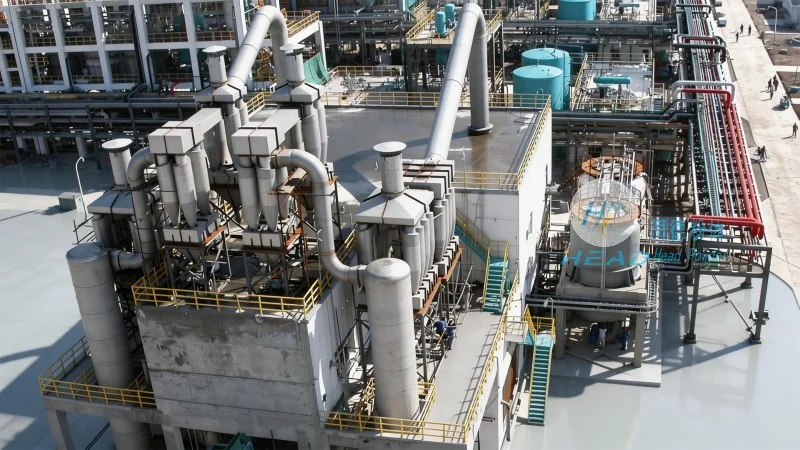
Step-by-Step Operation Process
The operation of a metering bin pump involves several key steps that ensure smooth and efficient material transport. First, the material is loaded into the storage bin or hopper. The bin is typically equipped with a feeding mechanism, such as a screw or conveyor, to maintain a consistent level of material. Next, the pump chamber is filled with material as the pressure is reduced in the chamber. The pump then activates, using its piston or diaphragm to compress the air, creating the necessary pressure to push the material forward. The discharge valve opens to allow the material to exit the pump and enter the transport line. The process repeats in cycles, with the pump operating at a controlled frequency to maintain a steady flow rate. The system's control panel monitors parameters like pressure, flow rate, and material level, adjusting the pump's operation as needed to maintain optimal performance. This cyclic operation ensures that the material is transported continuously and reliably, with minimal downtime or fluctuations in flow.
Key Components and Their Roles
Several critical components work in tandem to enable the metering bin pump's functionality. The hopper or storage bin serves as the reservoir for the bulk material, providing a consistent supply to the pump. The feeding mechanism, such as a screw feeder or rotary valve, regulates the material flow into the pump chamber, preventing overfilling or underfilling. The pump chamber itself houses the piston or diaphragm, which generates the pressure differential. The discharge valve controls the release of material from the chamber, ensuring that the material is pushed out at the correct time. The control system, including sensors and a programmable logic controller (PLC), monitors and adjusts the operation of the pump based on real-time data. This system ensures that the pump operates within safe and efficient parameters, adapting to changes in material properties or system demands. Each component plays a vital role in maintaining the overall performance and reliability of the metering bin pump.
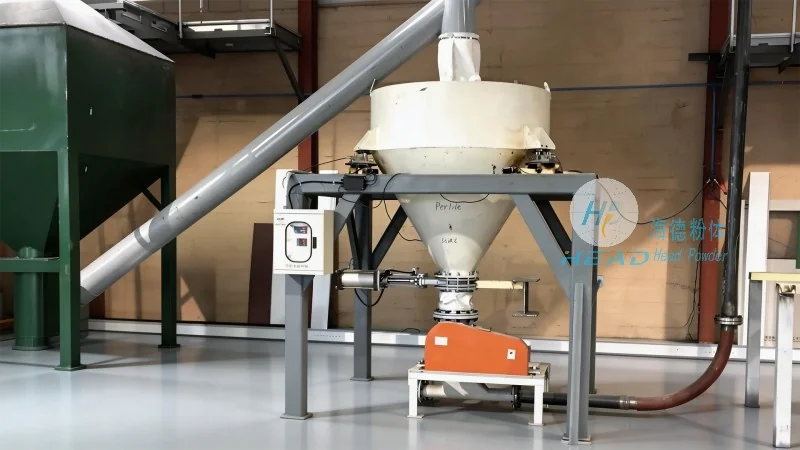
Advantages of Using a Metering Bin Pump
Implementing a metering bin pump offers several advantages for industrial operations. Firstly, it provides precise control over the material flow rate, which is essential for applications requiring accurate dosing, such as in chemical processing or pharmaceutical manufacturing. The system minimizes material waste by ensuring that only the required amount of material is transported, reducing operational costs. Additionally, the pump operates with minimal maintenance requirements, as it uses air or gas as the driving force, eliminating the need for mechanical parts that may wear out over time. The compact design of the metering bin pump makes it suitable for installation in confined spaces, while its reliable performance ensures consistent operation over extended periods. These advantages make the metering bin pump an ideal solution for industries seeking efficient, cost-effective, and reliable powder material transport solutions.
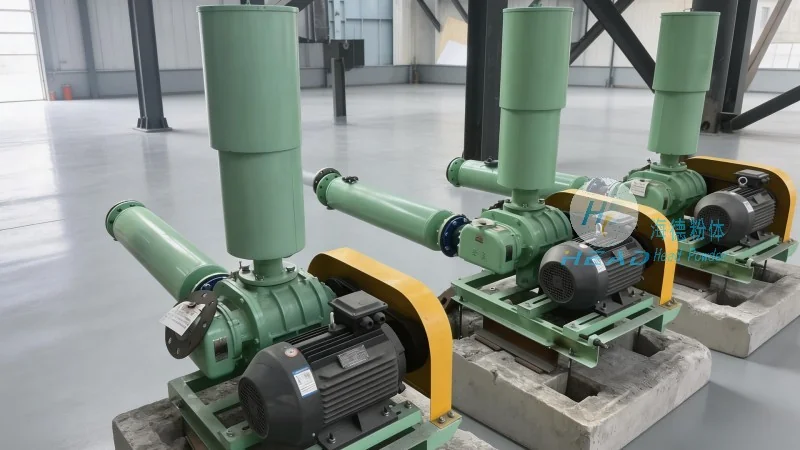
Applications and Industries
The versatility of the metering bin pump makes it applicable across a wide range of industries. In the cement industry, it is used to transport raw materials and finished products with high accuracy. In the chemical sector, it facilitates the handling of reactive powders and fine chemicals, ensuring safety and precision. The food and beverage industry utilizes the pump for transporting ingredients like flour, sugar, and spices, maintaining hygiene and consistency. Similarly, in the pharmaceutical industry, the metering bin pump is employed to handle active pharmaceutical ingredients (APIs) and excipients, adhering to strict quality and safety standards. Each application benefits from the pump's ability to deliver precise, controlled material flow, enhancing overall operational efficiency and product quality.
Conclusion
The metering bin pump is a sophisticated and reliable solution for the transport of bulk powder materials. Through its integrated design and precise control mechanisms, it ensures efficient, accurate, and safe material handling. The expertise of manufacturers like Shandong HeadPowder Engineering Co., Ltd. in developing and deploying such systems has contributed to their widespread adoption in various industrial sectors. As industries continue to demand higher precision and efficiency in material transport, the metering bin pump remains a critical technology, offering sustainable and cost-effective solutions for modern manufacturing processes.




