Synthetic fiber material conveying lines are essential in the manufacturing and processing industries, particularly in sectors that handle polymer-based fibers and related materials. These systems are designed to efficiently transport raw materials, intermediate products, and finished goods through a series of components, ensuring smooth and continuous operation. The performance of a conveying line directly impacts production efficiency, material handling costs, and overall operational reliability. Understanding the operation process and working principles of such systems is crucial for optimizing industrial processes and maintaining high-quality output.
Key Components and Their Roles
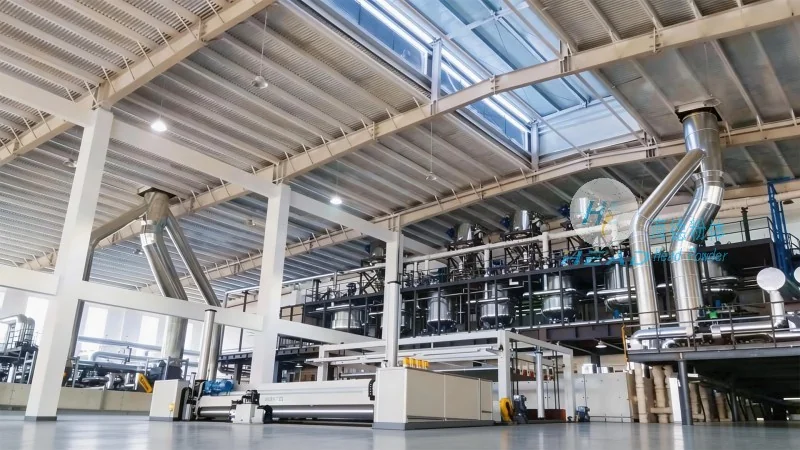
A typical synthetic fiber material conveying line consists of several critical components, each playing a specific role in the material handling process. The main components include feeders, conveyors (such as belt conveyors, screw conveyors, or pneumatic conveyors), control systems, and material handling accessories. Feeders are responsible for uniformly feeding the material into the conveying system, preventing blockages and ensuring consistent flow. Conveyors transport the material along the designated path, with different types of conveyors suited for various material characteristics and operational requirements. Control systems monitor and regulate the speed, direction, and flow of the material, maintaining optimal performance. Material handling accessories, such as hoppers, chutes, and diverters, facilitate the movement and storage of materials at different stages of the process.
Operation Process of Synthetic Fiber Material Conveying Lines
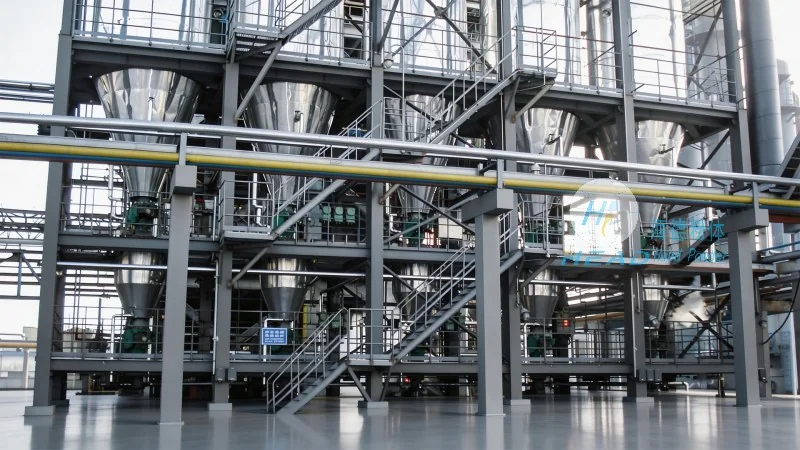
The operation process of a synthetic fiber material conveying line typically involves several sequential steps. First, raw synthetic fibers are fed into the system through a hopper or feeder. The feeder ensures that the material is evenly distributed and at a consistent rate, preventing overloading or underloading of the conveyor. Next, the material is transported along the conveyor system, which may include multiple sections or stages depending on the production requirements. For example, a belt conveyor might transport the material horizontally, while a screw conveyor could handle vertical or inclined movement. At intermediate points, the material may be processed, such as being mixed, heated, or cooled, before moving to the next stage. The control system continuously monitors the flow and adjusts parameters as needed to maintain stability. Finally, the processed material is discharged into a collection bin or further processing equipment, completing the cycle.
Working Principles of Synthetic Fiber Material Conveying Lines
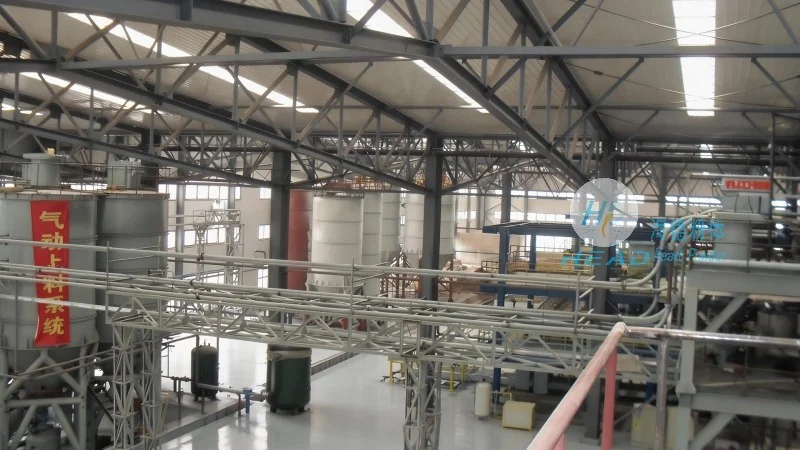
The working principles of synthetic fiber material conveying lines are based on mechanical, pneumatic, or hydraulic systems, depending on the specific design and application. Mechanical conveyors, like belt or screw conveyors, rely on mechanical power to move the material. Belt conveyors use a continuous belt looped over rollers, with the material placed on the belt and carried along by its movement. Screw conveyors utilize a rotating screw (helix) within a tube, pushing the material forward as it rotates. Pneumatic conveyors, on the other hand, use air pressure to transport the material through a pipeline. The material is either carried in a stream of air (air-lift) or enclosed in a flexible tube (pneumatic tube), with the air pressure controlling the flow rate and direction. The choice of system depends on factors such as material properties (e.g., abrasiveness, moisture content), production volume, and space constraints. The working principles ensure that the material is transported efficiently and safely, minimizing material degradation and operational risks.
Company Profile: Shandong HeadPowder Engineering Co., Ltd.
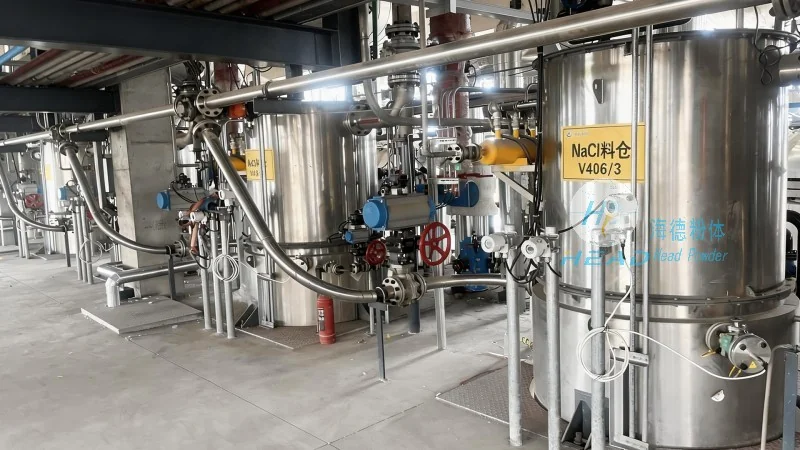
Shandong HeadPowder Engineering Co., Ltd., commonly known as HeadPowder, is a leading manufacturer and supplier of industrial conveying systems, including synthetic fiber material conveying lines. With a strong focus on innovation and quality, HeadPowder has established itself as a trusted partner in the manufacturing sector. The company is headquartered in Shandong, China, and serves clients globally with customized solutions tailored to their specific needs. HeadPowder's team of engineers and technicians brings extensive experience in designing and implementing efficient material handling systems, ensuring that clients achieve optimal performance and cost savings. The company adheres to strict quality standards and provides comprehensive after-sales support, including maintenance, repair, and technical assistance. By leveraging advanced technology and customer-centric approaches, HeadPowder continues to deliver reliable and high-performance synthetic fiber material conveying lines to industries worldwide.




