Shandong HeadPowder Engineering Co., Ltd., a professional manufacturer based in Shandong, China, specializes in providing high-quality material conveying solutions for industrial applications. The desulfurization fly ash material conveying line is a critical component in power plants and other facilities that utilize flue gas desulfurization (FGD) processes. This system is designed to efficiently transport fly ash, a byproduct of the desulfurization process, from the collection system to disposal or utilization sites. Understanding the operation process and working principle of this conveying line is essential for optimizing its performance and ensuring reliable operation.
Working Principle of the Desulfurization Fly Ash Material Conveying Line
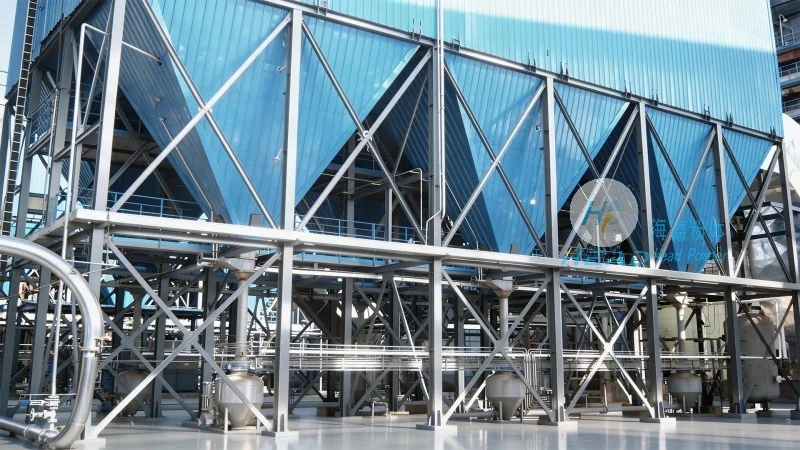
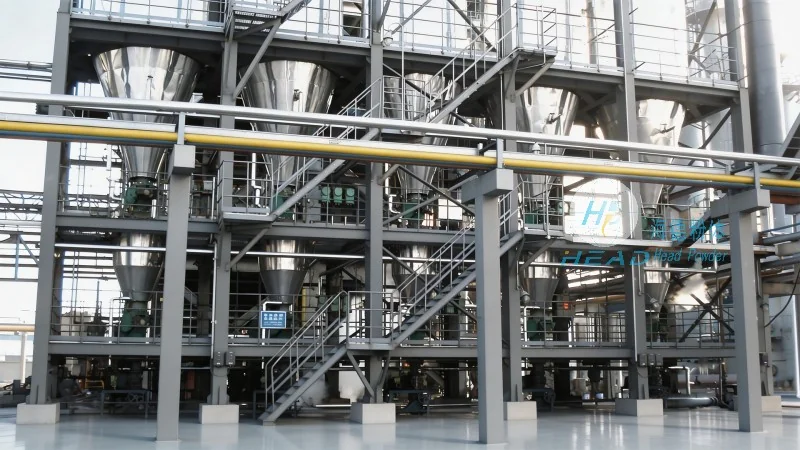
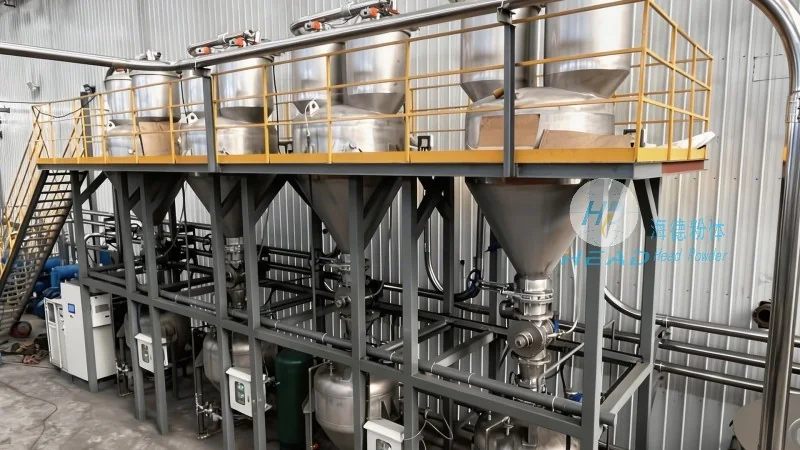
The desulfurization fly ash material conveying line typically operates on the principle of pneumatic or mechanical transport, depending on the specific design and application requirements. In pneumatic conveying systems, compressed air is used to create a flow that moves the fly ash particles through a pipeline. The system consists of several key components, including a hopper for ash collection, a feeder to control the flow rate, a conveying pipeline, and a discharge device at the destination. The hopper is equipped with a dust collection system to prevent air leakage and maintain environmental compliance. The feeder, often a rotary valve or a screw feeder, regulates the amount of ash fed into the pipeline, ensuring a consistent flow. Compressed air is then introduced into the pipeline, creating a pressure differential that propels the ash particles forward. The conveying velocity and pressure are carefully controlled to prevent particle deposition and ensure smooth transport. Mechanical conveying systems, such as belt conveyors or bucket elevators, may also be used for certain applications, especially when the ash is in a more solid or bulk form. These systems rely on mechanical force to move the ash along a path, often using idlers, pulleys, or buckets to transport the material. The choice between pneumatic and mechanical conveying depends on factors like the ash's moisture content, particle size, and the distance to be covered. For example, in long-distance transport, pneumatic systems are often more efficient due to their ability to handle high volumes and maintain a consistent flow. In contrast, mechanical systems may be preferred for shorter distances or when the ash is more cohesive and requires less air pressure.
Operation Process of the Desulfurization Fly Ash Material Conveying Line
The operation process of the desulfurization fly ash material conveying line involves several sequential steps that ensure the efficient and safe transport of fly ash. The process begins with the collection of fly ash from the desulfurization system. The ash is typically collected in a hopper or a storage silo, where it accumulates after being removed from the flue gas. The hopper is equipped with a level sensor to monitor the ash volume and trigger the feeder when the level reaches a certain threshold. The feeder then starts to discharge the ash into the conveying pipeline at a controlled rate. Simultaneously, the compressed air system is activated, providing the necessary pressure to initiate the conveying process. The air and ash mixture travels through the pipeline, with the air velocity maintained above the minimum required to prevent particle settling. At the discharge end, the ash is released into a storage facility or a disposal site, while the air is filtered and returned to the system or released into the atmosphere after treatment. The entire process is monitored by a control system that adjusts the feeder speed, air pressure, and other parameters based on real-time feedback from sensors. This control system ensures that the conveying line operates within optimal parameters, minimizing energy consumption and maximizing throughput. Regular maintenance is also an integral part of the operation process, including cleaning the hopper, checking the feeder mechanism, inspecting the pipeline for blockages or wear, and maintaining the air compressor and filtration system. Proper maintenance helps to prevent downtime and ensures the long-term reliability of the conveying line. The operation process also includes safety measures to protect personnel and the environment. For instance, the system is equipped with dust suppression and explosion-proof features to prevent dust explosions and ensure worker safety. The control system may also include emergency stop buttons and alarms to alert operators of any abnormal conditions, such as excessive pressure or air leaks. These safety measures are crucial in industrial environments where fly ash handling involves potential hazards. Overall, the operation process of the desulfurization fly ash material conveying line is a well-coordinated sequence of steps that ensures the efficient and safe transport of fly ash, contributing to the overall efficiency of the desulfurization process and the environmental compliance of the facility.




