Efficient and reliable material conveying systems are crucial in the production and processing of gypsum powder, ensuring smooth operations and high productivity. The gypsum powder material conveying line, developed by Shandong HeadPowder Engineering Co., Ltd., based in Shandong, China, is a specialized solution designed to handle the unique characteristics of gypsum powder, such as its fine particle size and potential for dust generation. This article will delve into the operation process and working principle of this conveying line, highlighting its key components and operational flow.
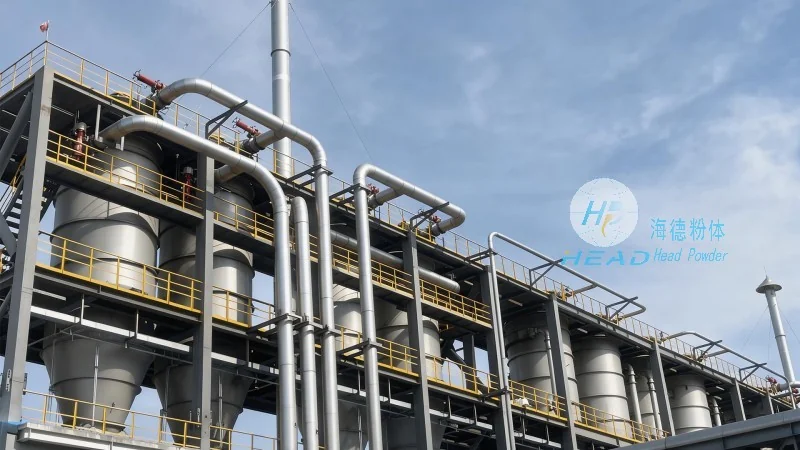
Company Profile: Shandong HeadPowder Engineering Co., Ltd.
Shandong HeadPowder Engineering Co., Ltd., commonly known as HeadPowder, is a leading manufacturer specializing in engineering solutions for material handling and processing. With a strong focus on innovation and quality, the company has established itself as a trusted partner in the industry, providing tailored solutions for various applications. HeadPowder's headquarters is located in Shandong, China, where the company's research and development team continuously works to enhance the performance and efficiency of its products.
Overview of the Gypsum Powder Material Conveying Line
The gypsum powder material conveying line is a comprehensive system designed to transport gypsum powder from storage silos or raw material hoppers to processing units or packaging stations. The system integrates multiple components, including feeders, conveyors, dust collection systems, and control panels, to ensure safe and efficient operation. The primary goal of this line is to minimize material loss, reduce dust emissions, and maintain consistent material flow rates, which are critical for maintaining product quality and operational stability.
Key Components and Their Functions
The gypsum powder conveying line consists of several key components, each playing a vital role in the overall operation. The first component is the material feeder, which is responsible for uniformly feeding gypsum powder from the storage silo into the conveying system. This feeder typically uses a screw or rotary valve mechanism to control the flow rate and prevent material bridging or clogging. The feeder is connected to a conveyor system, which can be either a belt conveyor or a pneumatic conveyor, depending on the specific application requirements. The conveyor system is designed to transport the gypsum powder over long distances with minimal pressure drop and energy consumption.
Next in the system is the dust collection and filtration unit. Gypsum powder is a fine, dry material that can easily generate dust during handling. To ensure environmental compliance and worker safety, the conveying line incorporates a dust collection system that captures and filters the airborne particles. This unit typically includes a cyclone separator and a fabric filter, which effectively removes dust from the air before it is released into the environment. The collected dust is then returned to the material stream or disposed of according to regulations.
The control panel is another critical component of the conveying line. It is equipped with sensors and control devices that monitor the system's performance in real-time. These sensors detect parameters such as flow rate, pressure, and temperature, and send signals to the control system to adjust the operation accordingly. The control panel allows operators to monitor the entire system from a central location, ensuring that any issues are detected and addressed promptly. This feature enhances the overall reliability and efficiency of the conveying line.
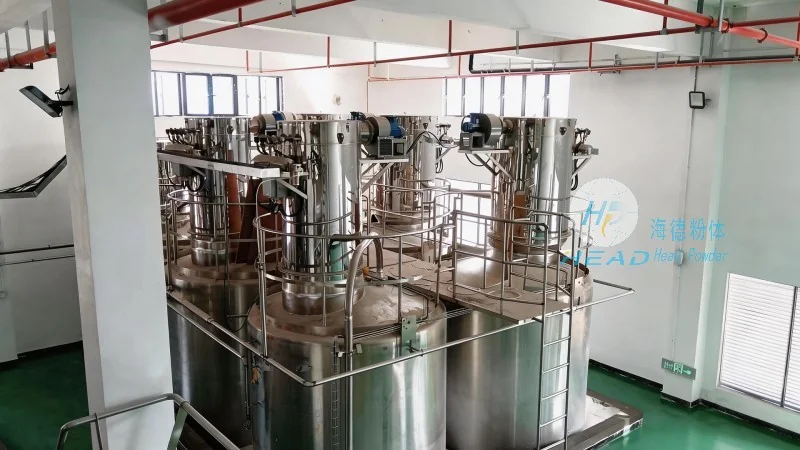
Operation Process of the Gypsum Powder Conveying Line
The operation of the gypsum powder material conveying line follows a systematic process, starting with the initial feeding of the material and ending with its delivery to the processing or packaging stage. The process begins when gypsum powder is discharged from the storage silo into the material feeder. The feeder then regulates the flow rate, ensuring a consistent supply of material to the conveyor system. The conveyor transports the gypsum powder to the next stage of the process, which may involve blending, grinding, or packaging.
During the conveying process, the system continuously monitors the flow rate and pressure to maintain optimal performance. If any abnormalities are detected, such as a drop in flow rate or an increase in pressure, the control system will automatically adjust the feeder speed or conveyor speed to restore normal operation. This self-regulating feature ensures that the system operates smoothly without manual intervention, reducing downtime and increasing productivity.
The dust collection system operates in parallel with the conveying process, capturing any dust generated during the material handling. The collected dust is then returned to the material stream or disposed of, preventing loss of product and maintaining a clean working environment. The control panel provides real-time data on the system's performance, allowing operators to track key metrics such as material throughput, energy consumption, and dust emission levels.
Working Principle of the Gypsum Powder Conveying Line
The working principle of the gypsum powder material conveying line is based on the principles of mechanical and pneumatic material handling. The system combines the use of gravity, pressure, and mechanical forces to transport the gypsum powder efficiently. The material feeder uses mechanical force to move the powder from the silo into the conveyor system, while the conveyor uses either a belt or air pressure to move the material forward.
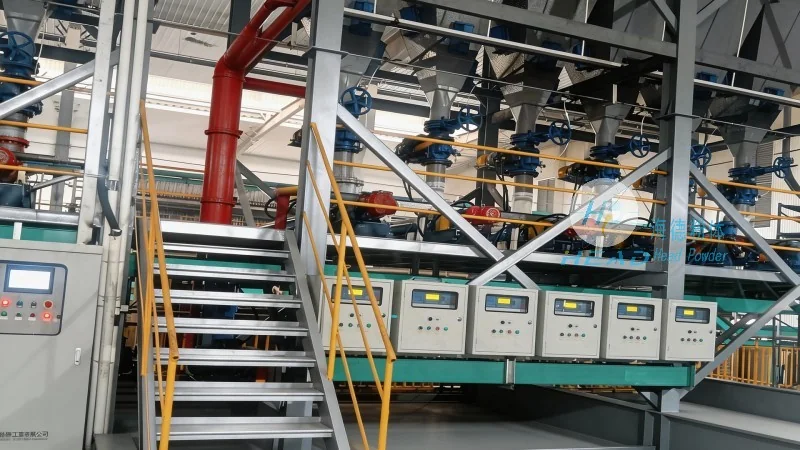
In a belt conveyor system, the gypsum powder is placed on a moving belt, which transports it to the desired location. The belt is driven by a motor, and its speed can be adjusted to control the flow rate. The belt conveyor is suitable for transporting larger quantities of material over short to medium distances. In contrast, a pneumatic conveyor uses air pressure to transport the gypsum powder through a series of pipes. This method is particularly effective for handling fine powders, as it minimizes the risk of clogging and provides a more uniform flow.
The dust collection system operates on the principle of filtration. The cyclone separator uses centrifugal force to separate larger particles from the air stream, while the fabric filter captures smaller particles. The collected dust is then returned to the material stream or disposed of, ensuring that the system operates in compliance with environmental regulations. The control panel uses sensors to monitor the pressure and flow rate in the system, ensuring that the dust collection system operates efficiently.
Benefits and Applications of the Gypsum Powder Conveying Line
The gypsum powder material conveying line offers several benefits that make it an ideal solution for gypsum powder processing applications. First, it minimizes material loss by capturing and returning dust to the material stream. This reduces the overall cost of production and improves product quality. Second, the system is designed to handle the unique characteristics of gypsum powder, such as its fine particle size and dust generation, ensuring safe and efficient operation. Third, the system is highly customizable, allowing it to be tailored to the specific needs of different applications, such as industrial production, construction, or pharmaceuticals.
The conveying line is widely used in various industries that process gypsum powder, including the building materials industry, where it is used to produce gypsum boards and plaster. It is also used in the pharmaceutical industry, where gypsum powder is used as a raw material for certain medications. Additionally, the system is suitable for use in environmental applications, such as the treatment of gypsum waste from industrial processes.
Conclusion
The gypsum powder material conveying line developed by Shandong HeadPowder Engineering Co., Ltd. is a highly efficient and reliable system designed to handle the unique challenges of gypsum powder processing. By integrating advanced components and control systems, the line ensures safe, consistent, and high-quality material transport. With its focus on innovation and quality, HeadPowder continues to provide tailored solutions that meet the evolving needs of the industry, making it a trusted partner for businesses worldwide.




