Operation Process and Working Principle of Polyethylene Material Handling Conveyor Lines
Release time:2026-09-21 02:01:40
name of the company:Shandong Headpowder Engineering Co., Ltd.
telephone:156-6277-7102
contacts:Zhang manager
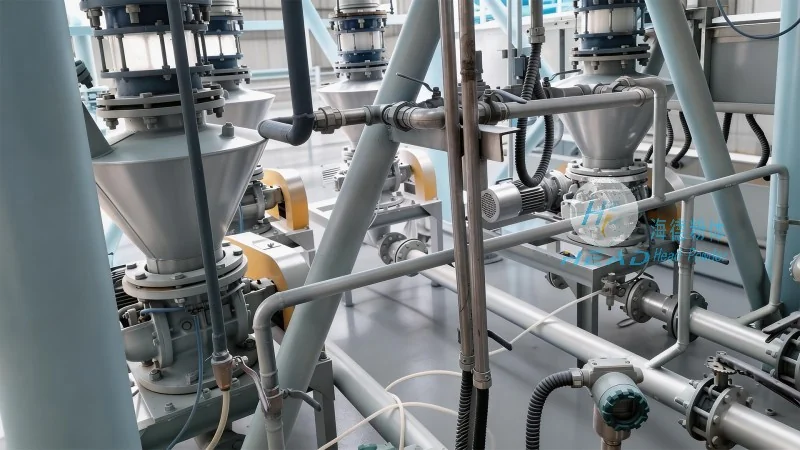
HeadPowder, a leading engineering firm based in Shandong, China, specializes in the design, manufacturing, and installation of advanced material handling systems. Among their portfolio is the polyethylene material handling conveyor line, a robust solution tailored for efficient transportation of polyethylene materials in industrial settings. This article delves into the operation process and working principle of such conveyor lines, highlighting key components and operational dynamics that ensure seamless material flow.
Overview of Polyethylene Material Handling Conveyor Lines
Polyethylene (PE) is a widely used thermoplastic polymer in various industries, including packaging, construction, and manufacturing. The polyethylene material handling conveyor line is engineered to handle PE materials in bulk or in various forms, such as pellets, sheets, or films. These systems are designed to optimize material movement, reduce manual labor, and enhance overall production efficiency. The conveyor lines are typically customized to meet specific operational requirements, ensuring compatibility with existing production lines and environmental conditions.
Key Components of the Conveyor Line System
The polyethylene material handling conveyor line comprises several critical components that work in tandem to facilitate smooth material transport. These include:
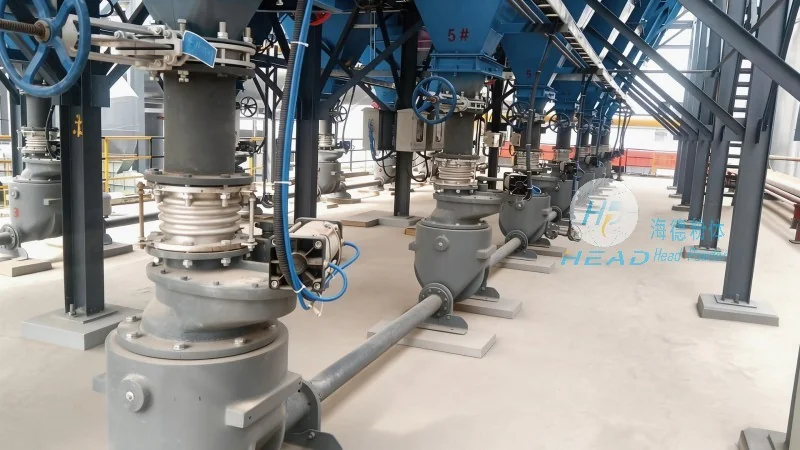
- Conveyor Belt: The primary component that carries the polyethylene materials. The belt is made from durable materials, such as rubber or synthetic fabrics, to withstand the weight and abrasion of PE materials. It is designed to be flexible yet strong, ensuring consistent material support and minimal slippage.
- Drive System: This component provides the necessary power to move the conveyor belt. It typically includes a motor, gearbox, and pulleys. The drive system is engineered to deliver consistent torque and speed, allowing for precise control over the material flow rate.
- Support Structure: The conveyor line is supported by a sturdy frame, often made from steel or aluminum, which provides stability and durability. The structure is designed to handle the weight of the materials and the belt, ensuring the system remains stable during operation.
- Control System: This component manages the operation of the conveyor line, including start, stop, and speed adjustments. It may include sensors, control panels, and automation software to monitor and regulate the material flow, enhancing safety and efficiency.
- Feeding and Discharge Mechanisms: These components handle the input and output of materials. The feeding mechanism ensures that polyethylene materials are properly loaded onto the conveyor belt, while the discharge mechanism ensures materials are efficiently transferred to the next stage of processing or storage.
Operation Process of the Polyethylene Material Handling Conveyor Line
The operation of the polyethylene material handling conveyor line follows a systematic process, starting from material loading to final discharge. The steps are as follows:
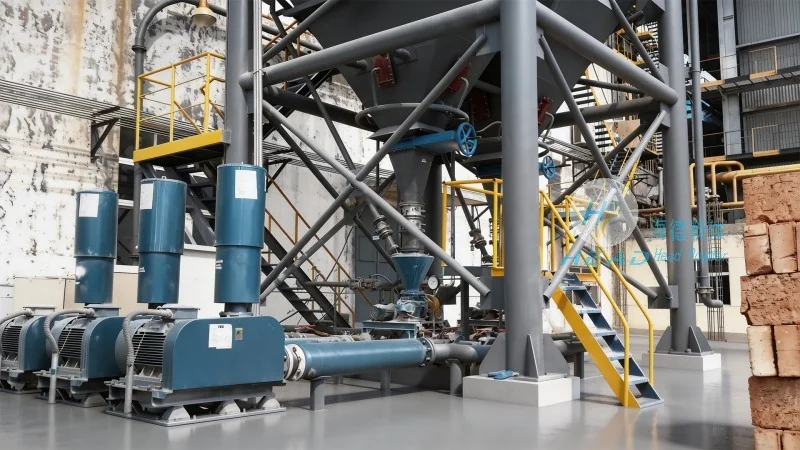
- Material Loading: Polyethylene materials are loaded onto the conveyor belt from a hopper or feeding hopper. The feeding mechanism ensures that materials are evenly distributed across the belt, preventing blockages and ensuring smooth transport.
- Belt Movement: Once loaded, the drive system activates, causing the conveyor belt to move at a predetermined speed. The speed is adjusted based on the material type, size, and the desired throughput rate.
- Material Transport: As the belt moves, the polyethylene materials are carried along the path of the conveyor line. The support structure and belt design ensure that materials remain in contact with the belt, minimizing spillage and ensuring efficient transport.
- Transfer and Sorting: At specific points along the conveyor line, materials may be transferred to other lines or sorted based on size, shape, or other criteria. This is achieved through the use of transfer mechanisms, such as chutes or dividers.
- Discharge: The materials are discharged at the end of the conveyor line into a storage bin or directly to the next processing stage. The discharge mechanism ensures that materials are collected efficiently and without spillage.
Working Principle of the Conveyor Line
The working principle of the polyethylene material handling conveyor line is based on the mechanics of belt-driven transport. The system operates by converting electrical energy into mechanical energy, which is then used to move the conveyor belt. The key principles include:
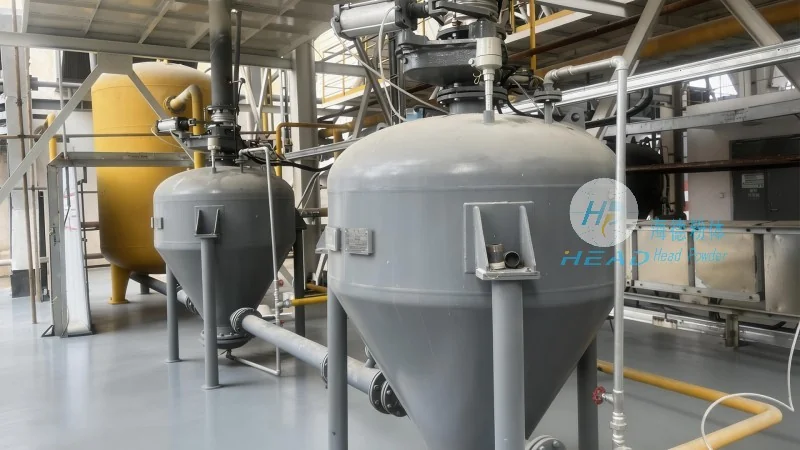
- Mechanical Advantage: The drive system provides a mechanical advantage, allowing the motor to move the belt with minimal energy loss. This ensures efficient power utilization and reduces operational costs.
- Friction and Tension: The conveyor belt relies on friction between the belt surface and the materials to maintain contact. Proper tensioning of the belt is crucial to prevent slippage and ensure consistent material transport.
- Control and Automation: Modern conveyor lines incorporate control systems that allow for real-time monitoring and adjustment of operational parameters. This enables operators to optimize the system for varying material loads and production demands.
- Material Compatibility: The design of the conveyor line is tailored to the properties of polyethylene materials, such as their density, abrasiveness, and thermal stability. This ensures that the system can handle the specific characteristics of PE materials without damage or degradation.
Benefits and Applications of Polyethylene Material Handling Conveyor Lines
The polyethylene material handling conveyor line offers several benefits that make it an ideal solution for industrial applications. These include:
- Increased Efficiency: By automating material transport, the conveyor line reduces manual labor and minimizes downtime, leading to higher production throughput.
- Enhanced Safety: The system minimizes the risk of accidents associated with manual handling of heavy or bulky polyethylene materials, improving workplace safety.
- Customization: The conveyor lines can be customized to fit specific production requirements, ensuring optimal performance in various industrial settings.
- Cost-Effectiveness: By reducing labor costs and minimizing material loss, the conveyor line provides a cost-effective solution for material handling in polyethylene processing.
HeadPowder's polyethylene material handling conveyor lines are designed to meet the diverse needs of industries that rely on polyethylene materials. With a focus on durability, efficiency, and customization, these systems provide reliable and effective solutions for material transport, contributing to improved productivity and operational success.




