HeadPowder, a leading engineering firm based in Shandong, China, specializes in the design, manufacturing, and installation of advanced mineral granular material conveying systems. These systems are essential for efficiently transporting bulk materials such as minerals, ores, and other granular substances in industrial settings. This article delves into the operation process and working principle of these conveying lines, highlighting the key components and steps involved in their functionality.
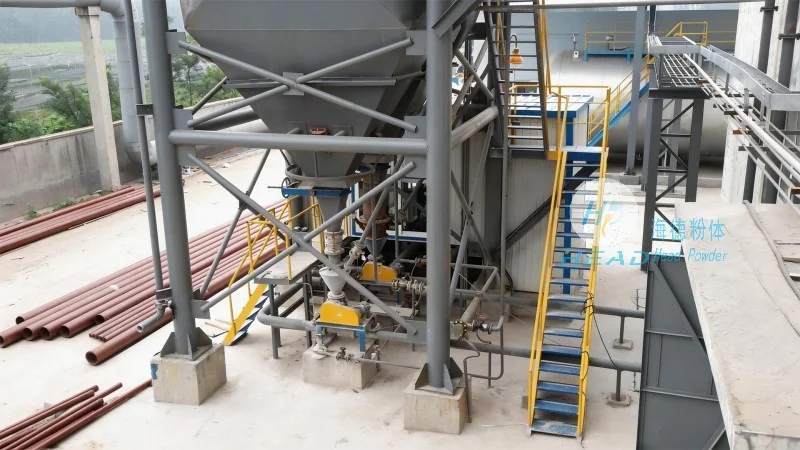
Key Components of Mineral Granular Material Conveying Lines
The mineral granular material conveying line typically consists of several critical components that work in tandem to ensure smooth and reliable material transport. The primary components include a conveyor belt, a drive system, a tensioning mechanism, a loading hopper, and a discharge outlet. Each component plays a vital role in the overall operation of the system.
The conveyor belt, often made of durable materials like rubber or synthetic fabrics, serves as the main carrier for the mineral granules. It is supported by a series of rollers or idlers that maintain the belt's tension and alignment. The drive system, usually an electric motor coupled with a gearbox, provides the necessary power to move the belt at a consistent speed. The tensioning mechanism, which may include a take-up pulley or a screw adjustment system, ensures the belt remains properly tensioned to prevent slippage and maintain efficient operation.
The loading hopper is responsible for feeding the mineral granules onto the conveyor belt. It is designed to handle bulk materials and can be equipped with a feeder, such as a screw or a vibratory feeder, to regulate the flow of material. The discharge outlet, located at the end of the conveyor, allows the transported material to be released into a storage bin or processing unit. Additionally, safety features like emergency stop buttons and protective guards are integrated into the system to ensure operational safety.
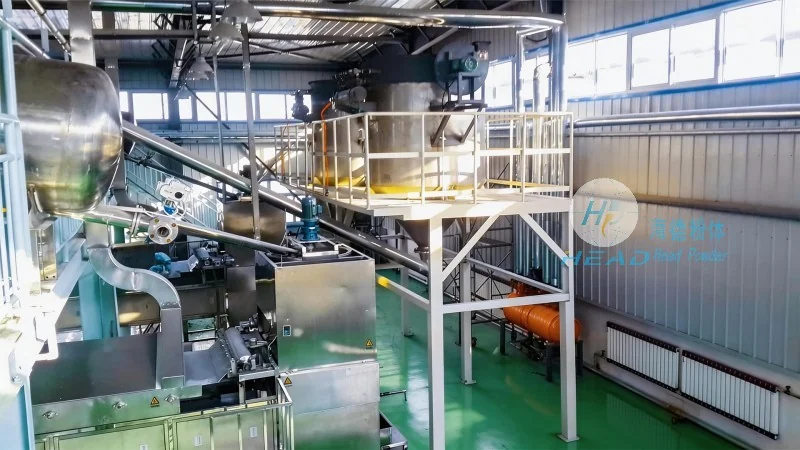
Working Principle of the Conveying Line
The working principle of a mineral granular material conveying line is based on the continuous movement of the conveyor belt, which transports the material from the loading point to the discharge point. When the system is activated, the drive motor starts, rotating the drive pulley and, in turn, the conveyor belt. As the belt moves, the mineral granules are placed onto the belt by the loading hopper and are carried forward by the belt's motion.
The tensioning mechanism maintains the belt's tension, ensuring it remains taut and does not sag, which could lead to material spillage or inefficient transport. The rollers or idlers support the belt and guide its path, preventing it from deviating from the intended route. The speed of the conveyor belt is controlled by the drive system, allowing for adjustments based on the type and quantity of material being transported.
Once the material reaches the discharge outlet, it is released into the designated container. The entire process is automated, with the system operating continuously as long as the power supply is maintained and the material feed is consistent. The efficiency of the conveying line is influenced by factors such as the belt speed, the angle of inclination, and the material's properties, including its size, density, and moisture content.
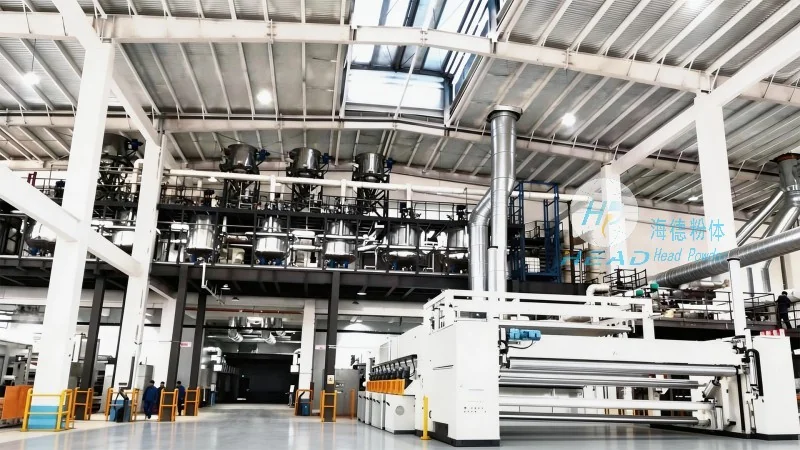
Operation Process of the Mineral Granular Material Conveying Line
The operation process of a mineral granular material conveying line involves several sequential steps that ensure the system functions optimally. The first step is the preparation phase, where the system is checked for any potential issues, such as loose bolts, damaged components, or insufficient belt tension. This is followed by the startup sequence, where the power is turned on, and the drive motor is activated to start the conveyor belt.
During the startup, the system is monitored to ensure that the belt is moving smoothly and that the material is being loaded correctly. Once the belt reaches its operational speed, the loading hopper begins to feed the mineral granules onto the belt. The material is then transported along the conveyor to the discharge point. The system continues to operate in this manner, with the discharge outlet releasing the material as it is transported.
The shutdown process involves stopping the drive motor and allowing the conveyor belt to come to a complete stop. The tensioning mechanism may be adjusted to release some of the belt's tension to prevent overstretching during the idle period. Safety protocols are followed during startup and shutdown to ensure that personnel are not exposed to moving parts or falling materials.
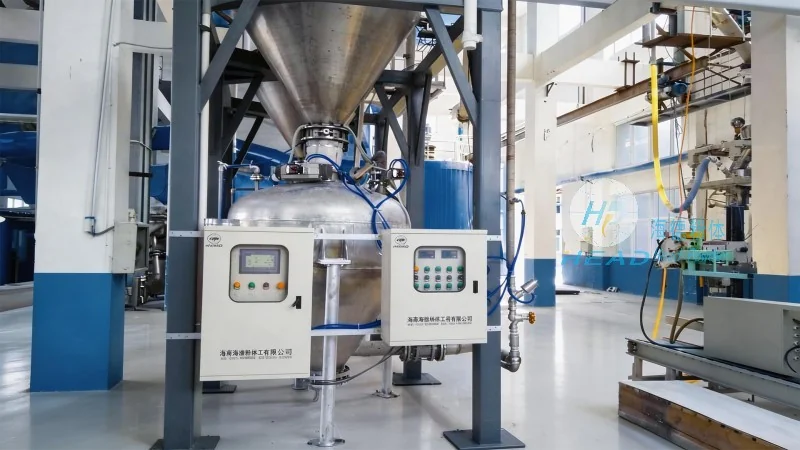
Applications and Benefits of Mineral Granular Material Conveying Lines
Mineral granular material conveying lines are widely used in various industries, including mining, construction, and manufacturing. They are particularly valuable in applications where large quantities of bulk materials need to be transported over long distances or at high speeds. The benefits of these systems include improved efficiency, reduced labor costs, and enhanced safety compared to manual handling methods.
By utilizing advanced materials and engineering designs, HeadPowder's conveying lines offer reliable performance and durability, even in harsh industrial environments. The systems are designed to handle a wide range of mineral granules, from fine powders to coarse ores, making them versatile and adaptable to different operational needs. The company's commitment to quality and innovation ensures that their conveying lines meet the highest standards of performance and safety.
HeadPowder, with its headquarters in Shandong, China, continues to be a trusted provider of mineral granular material conveying solutions. Their expertise in engineering and manufacturing enables them to deliver customized systems that address the specific requirements of each client, ensuring optimal performance and long-term reliability.




