Biological enzyme material conveying lines are advanced industrial systems designed to efficiently transport and process materials that require enzymatic treatment. These systems are integral to industries such as food processing, pharmaceuticals, and biotechnology, where precise handling of sensitive materials is critical. The following content provides a detailed overview of the operation process and working principles of such lines, highlighting the key components and processes involved.
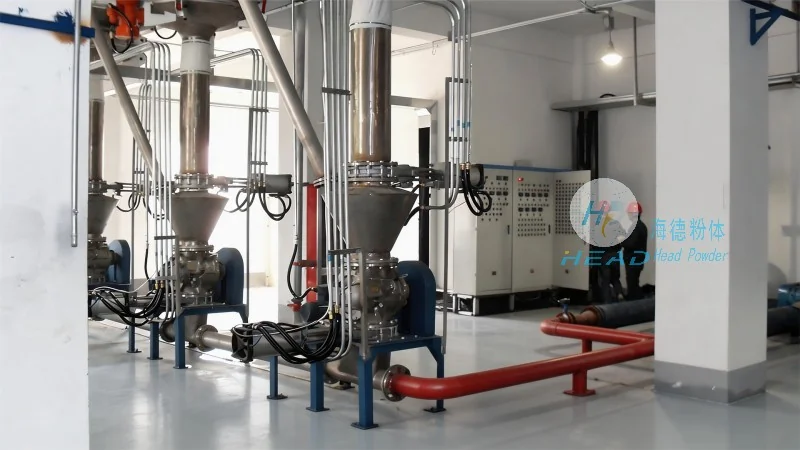
Introduction to Biological Enzyme Material Conveying Lines
Developed by Shandong HeadPowder Engineering Co., Ltd., a leading manufacturer based in Shandong, China, these conveying lines are engineered to meet the stringent requirements of modern industrial applications. The company specializes in creating customized solutions that integrate material handling, enzymatic processing, and automation technologies. The systems are designed to ensure optimal performance, safety, and efficiency in handling materials that are sensitive to temperature, pH, and mechanical stress.
Key Components of the Biological Enzyme Material Conveying Line
The biological enzyme material conveying line typically consists of several interconnected components that work in tandem to achieve the desired processing outcomes. These components include: conveyor systems, which transport the material through the line; enzyme dosing units, responsible for precise addition of enzymes; reaction chambers, where the enzymatic reactions occur under controlled conditions; and control systems, which monitor and adjust parameters like temperature, pH, and flow rate. Each component is carefully selected and integrated to ensure seamless operation and minimal downtime.
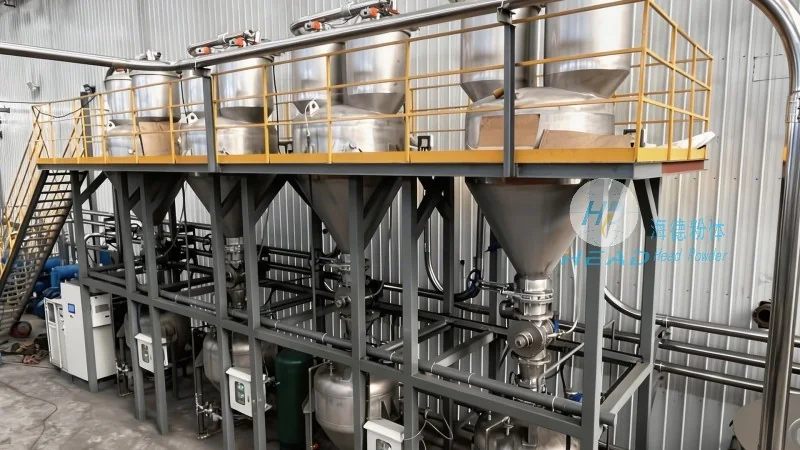
The Operation Process: Step-by-Step Overview
The operation of a biological enzyme material conveying line begins with the intake of raw materials. The material is then transported by the conveyor system to the enzyme dosing unit, where the appropriate amount of biological enzyme is added. The mixture proceeds to the reaction chamber, where it undergoes enzymatic conversion under controlled environmental conditions. After the reaction is complete, the processed material is transported to the output stage for further processing or packaging. Throughout this process, the control system continuously monitors key parameters to ensure that the process remains within optimal ranges, adjusting variables as needed to maintain product quality and efficiency.
Working Principle: How the System Ensures Precision and Efficiency
The working principle of the biological enzyme material conveying line is centered on the integration of mechanical, chemical, and control technologies. The conveyor system provides the necessary mechanical force to move the material through the line, while the enzyme dosing unit ensures that the correct concentration of biological enzyme is added at the right time. The reaction chamber is designed to maintain the optimal conditions for enzymatic activity, such as temperature and pH, which are critical for the efficiency of the reaction. The control system plays a pivotal role by collecting data from various sensors and adjusting the process parameters in real-time. This closed-loop control system minimizes variations and ensures consistent product quality, making the line highly reliable and efficient.
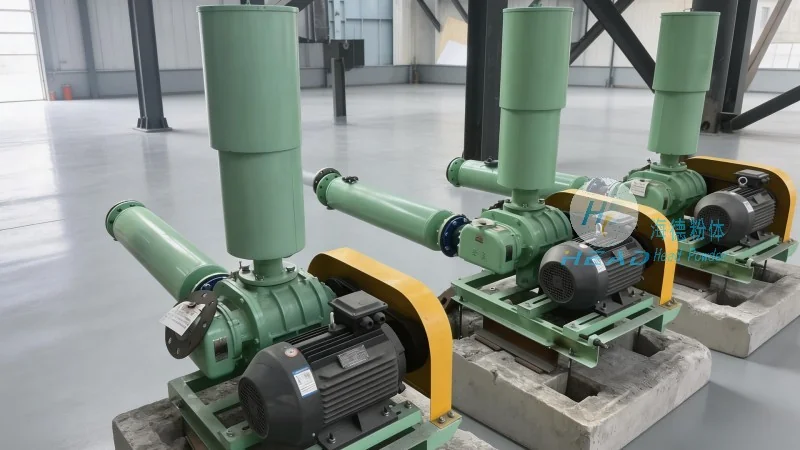
Benefits and Applications of the Biological Enzyme Material Conveying Line
The biological enzyme material conveying line offers several advantages in industrial applications. These include improved process efficiency, reduced labor costs, enhanced product quality, and increased safety due to the automated nature of the system. The line is particularly suitable for processing materials that require enzymatic modification, such as in the production of biofuels, food additives, and pharmaceutical intermediates. By leveraging advanced automation and precise control, the system ensures that the enzymatic reactions are carried out under optimal conditions, leading to higher yields and better product consistency.
Conclusion
Shandong HeadPowder Engineering Co., Ltd. has developed a comprehensive solution for biological enzyme material conveying lines that combines advanced technology with rigorous engineering. The system’s operation process and working principles are designed to meet the demanding requirements of modern industries, ensuring efficient and reliable processing of sensitive materials. With its focus on precision, automation, and customization, the biological enzyme material conveying line represents a significant advancement in material handling and enzymatic processing technologies.




