Shandong HeadPowder Engineering Co., Ltd. is a professional manufacturer and supplier specializing in the design, production, and installation of activated carbon material conveying lines. The company is located in Shandong, China, and has established a strong reputation in the industry for delivering high-quality equipment tailored to the needs of various industrial applications.
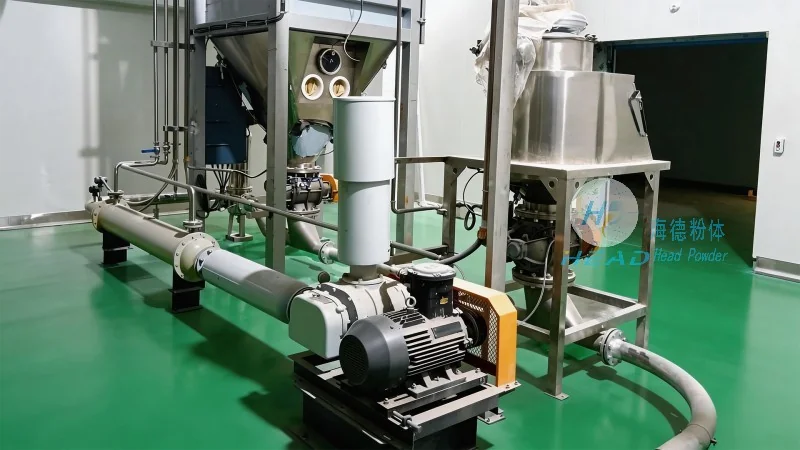
Overview of Activated Carbon Material Conveying Lines
Activated carbon material conveying lines are essential systems used in industries such as water treatment, air purification, and chemical processing. These lines are designed to efficiently transport activated carbon, a highly porous carbon material, from storage areas to processing units. The systems typically consist of components like hoppers, feeders, conveyors, and control panels, all working in tandem to ensure smooth and reliable material handling. The primary goal of these lines is to maintain consistent material flow, minimize downtime, and enhance operational efficiency in activated carbon handling processes.
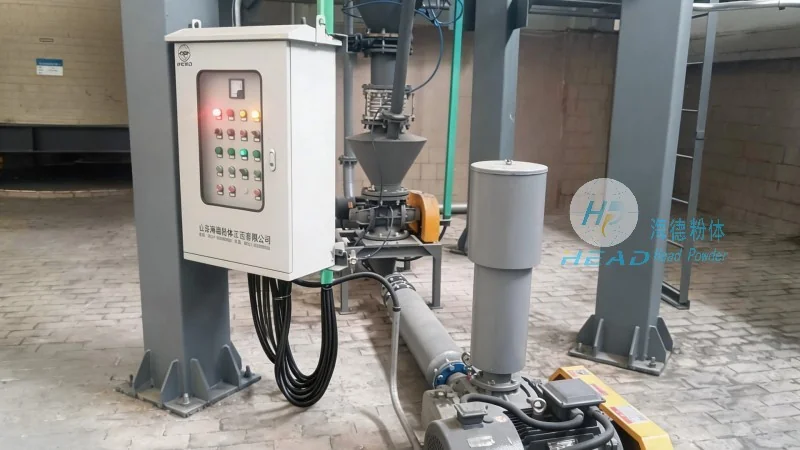
Key Components of the Conveying Line
The activated carbon material conveying line is composed of several critical components that work together to achieve effective material transport. The first component is the hopper, which serves as the storage and feeding unit for the activated carbon. The hopper is designed with a sloped bottom to facilitate the gravity-fed release of material into the feeder. The feeder, often a screw or vibratory type, regulates the flow rate of activated carbon from the hopper to the conveyor. The conveyor itself, which can be a belt conveyor, screw conveyor, or pneumatic conveyor depending on the application, transports the activated carbon to the processing equipment. Finally, the control panel monitors and controls the entire system, ensuring that the flow rate, pressure, and other parameters remain within optimal ranges. Each component is carefully selected and integrated to ensure durability, reliability, and compliance with industry standards.
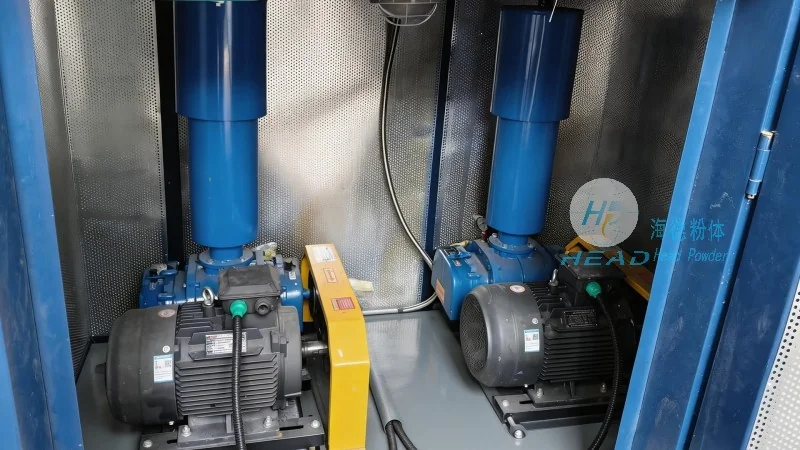
Operation Process of the Conveying Line
The operation of an activated carbon material conveying line involves a series of steps that ensure the smooth and continuous movement of material. The process begins with the loading of activated carbon into the hopper. Once the hopper is filled, the feeder starts to operate, gradually releasing the material into the conveyor. The conveyor then transports the activated carbon to the processing unit, such as a filter or adsorption system. Throughout the operation, the control panel continuously monitors the system's performance, adjusting the feeder speed or conveyor speed as needed to maintain a consistent flow rate. If any issues arise, such as blockages or variations in material flow, the control panel triggers alarms or automatic shutdowns to prevent damage to the equipment. The entire process is designed to be automated, reducing the need for manual intervention and minimizing the risk of human error. This automated operation ensures that the conveying line operates efficiently and safely, even during continuous production runs.
Working Principle of the Conveying Line
The working principle of an activated carbon material conveying line is based on the principles of material handling and fluid dynamics. The system relies on gravity and mechanical force to move the activated carbon from the hopper to the processing unit. The hopper's sloped design allows the material to flow under gravity, reducing the need for additional power to initiate the flow. The feeder then uses mechanical force, such as a screw or vibration, to regulate the flow rate and ensure a consistent supply of material to the conveyor. The conveyor, whether a belt or screw type, uses friction or gravity to move the material along its path. For pneumatic conveyors, the system uses air pressure to transport the activated carbon in a suspended state, allowing for longer distances and more flexible routing. The control panel plays a crucial role in maintaining the system's stability by monitoring pressure, flow rate, and other parameters. By integrating these components and principles, the conveying line achieves efficient and reliable material transport, ensuring that activated carbon is delivered to the processing unit in the correct quantity and at the right time.
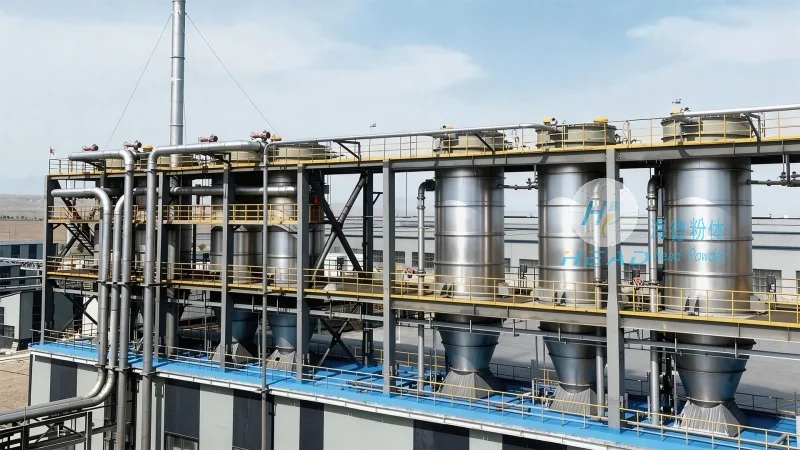
Advantages and Applications
Activated carbon material conveying lines offer several advantages that make them ideal for industrial applications. One of the key advantages is their ability to handle bulk materials efficiently, reducing labor costs and improving operational efficiency. The systems are also designed to be durable and low-maintenance, with components that are resistant to corrosion and wear from activated carbon particles. Additionally, the automated control systems ensure consistent performance, minimizing downtime and maximizing productivity. These conveying lines are widely used in water treatment plants, where they transport activated carbon to filters for water purification. They are also used in air purification systems, where the activated carbon is used to remove odors and pollutants from industrial emissions. In chemical processing, the lines are used to transport activated carbon to reactors for adsorption processes. The versatility of these systems makes them suitable for a wide range of applications, from small-scale laboratory use to large-scale industrial production.




