HeadPowder, a leading engineering company based in Shandong, China, specializes in the design, manufacturing, and installation of advanced material handling systems. One of their core products is the calcium carbonate powder material handling line, which is engineered to efficiently transport calcium carbonate powder from storage to processing or packaging areas. This system is crucial for industries that rely on calcium carbonate, such as plastics, paper, and coatings, as it ensures consistent material flow and maintains product quality.
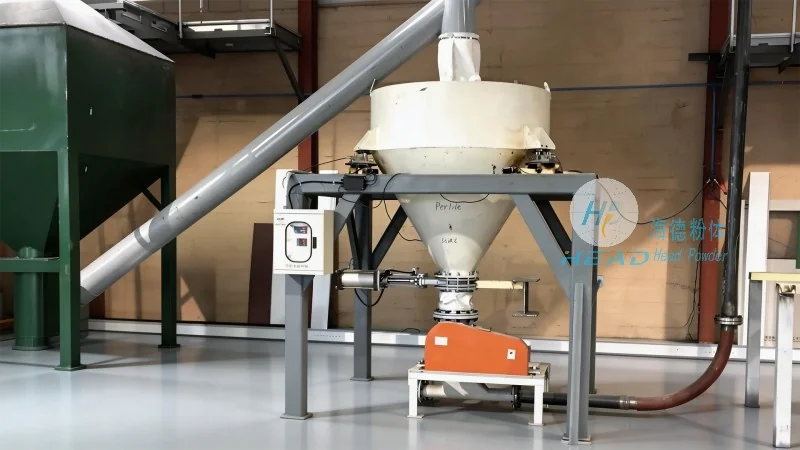
Components and Structure of the Material Handling Line
The calcium carbonate powder material handling line typically consists of several key components that work in tandem to achieve seamless material transport. The primary components include a storage silo or hopper, a feeding device (like a rotary valve or screw feeder), a conveyor system (such as a belt conveyor or pneumatic conveyor), and a control panel for monitoring and adjusting the process. Each component is carefully selected to handle the specific characteristics of calcium carbonate powder, which can vary in particle size, moisture content, and bulk density. The storage silo is designed to hold large quantities of powder, often with a conical bottom to facilitate smooth discharge. The feeding device ensures a controlled and uniform flow of powder into the conveyor system, preventing blockages or uneven feeding. The conveyor system is chosen based on the required capacity and distance, with options like belt conveyors for bulk material transport and pneumatic conveyors for more precise control over powder movement. The control panel allows operators to adjust parameters such as feed rate, conveyor speed, and pressure, ensuring optimal performance and preventing overloading or underfeeding.
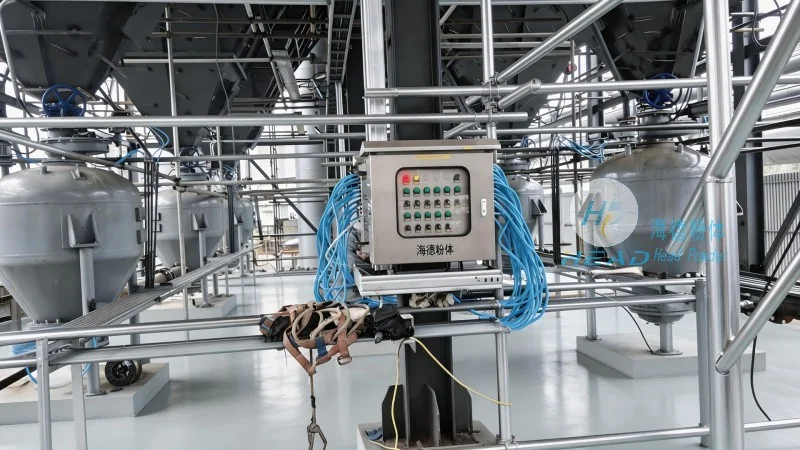
Operation Process of the Material Handling Line
The operation of the calcium carbonate powder material handling line follows a systematic process that ensures efficient and reliable material transport. The process begins with the loading of calcium carbonate powder into the storage silo. The powder is then discharged from the silo into the feeding device, which regulates the flow rate based on the system's requirements. The controlled powder flow is then directed into the conveyor system, which transports the material to the next stage of processing or packaging. The conveyor system operates continuously, with the speed adjusted to match the feed rate from the feeding device. At the discharge end of the conveyor, the powder is collected in a receiving hopper or directly fed into the processing equipment. The entire process is monitored by the control panel, which provides real-time data on flow rates, pressure, and other critical parameters. Operators can adjust the system settings as needed to maintain consistent performance and prevent issues such as clogging or material buildup. The system is designed to operate with minimal downtime, ensuring that production processes are not interrupted and that material is delivered to the next stage in a timely manner.
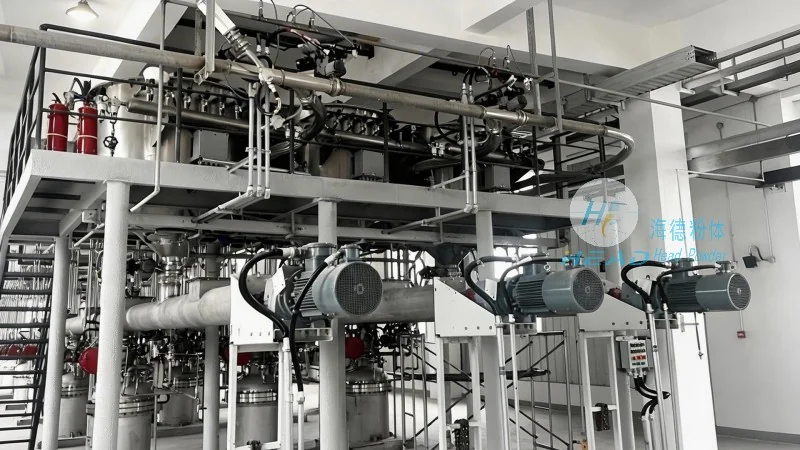
Working Principle of the Material Handling Line
The working principle of the calcium carbonate powder material handling line is based on the principles of bulk material handling and mechanical transport. The system utilizes a combination of gravity and mechanical force to move the powder from the storage area to the processing area. The storage silo provides a stable source of material, with the conical bottom allowing for smooth discharge. The feeding device, such as a rotary valve or screw feeder, uses mechanical rotation to control the flow of powder, ensuring a consistent and uniform feed rate. The conveyor system, whether a belt conveyor or pneumatic conveyor, uses either friction or air pressure to move the powder along the path. Belt conveyors rely on the friction between the belt and the powder to transport the material, while pneumatic conveyors use air pressure to create a flow of powder through a pipeline. The control panel plays a crucial role in regulating the system's operation, by adjusting the speed of the conveyor, the rotation speed of the feeding device, and the pressure in the pneumatic system. This ensures that the system operates within optimal parameters, preventing overloading, underfeeding, or other issues that could affect performance. The entire system is designed to be energy-efficient and low-maintenance, with components that are easy to clean and replace. This helps to reduce operational costs and ensure long-term reliability.
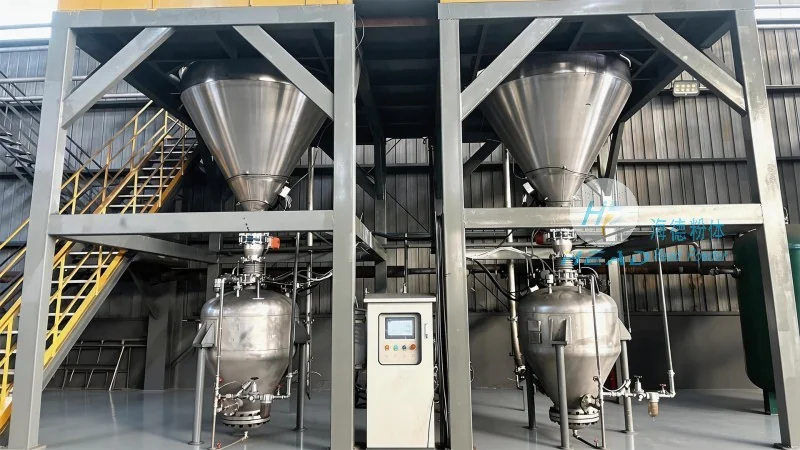
Benefits and Applications of the Material Handling Line
The calcium carbonate powder material handling line offers several benefits to industries that use calcium carbonate powder. One of the key benefits is the improved efficiency of material transport, which reduces downtime and increases production capacity. The system ensures consistent flow rates, which helps to maintain product quality and prevent variations in the final product. Another benefit is the reduced risk of material contamination, as the system is designed to minimize exposure to air and moisture. This is particularly important for calcium carbonate powder, which can be sensitive to moisture and can degrade if exposed to air for extended periods. The system also reduces labor costs, as it automates the material handling process, eliminating the need for manual handling of large quantities of powder. The calcium carbonate powder material handling line is widely used in various industries, including the plastics industry, where calcium carbonate is used as a filler to improve the strength and stiffness of plastic products. In the paper industry, the powder is used as a filler to increase the opacity and whiteness of paper. In the coatings industry, calcium carbonate is used as a pigment to improve the durability and appearance of coatings. The system is also used in other industries, such as rubber and ceramics, where calcium carbonate is used as a filler or pigment.




