HeadPowder, a leading engineering firm based in Shandong, China, specializes in the design, manufacturing, and installation of advanced material handling systems. Among their portfolio is the Potassium Hydroxide (KOH) material handling line, a critical piece of equipment for industries that rely on this caustic chemical. This article delves into the operational process and underlying principles of such a system, highlighting its efficiency, safety features, and technical specifications.
Introduction to Potassium Hydroxide Material Handling Lines
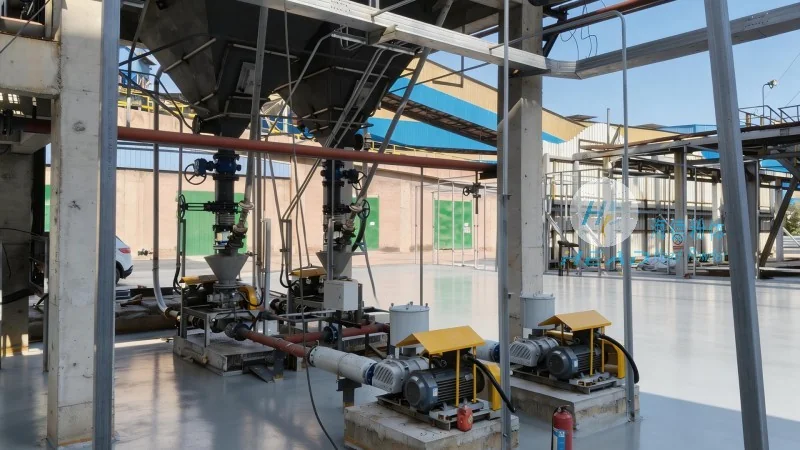
Potassium hydroxide is a strong base widely used in various industrial applications, including chemical manufacturing, pharmaceuticals, and food processing. Handling this corrosive substance requires specialized equipment to ensure safety, efficiency, and compliance with industrial standards. The material handling line for KOH typically consists of several interconnected components, including storage tanks, pumps, conveyors, and control systems, all designed to transport the chemical from storage to processing units or packaging areas.
Key Components of the KOH Material Handling Line
The effectiveness of a KOH material handling line depends on its integrated components, each serving a specific function to ensure smooth operation. The primary components include:
1. Storage Tanks: These are typically made of corrosion-resistant materials like stainless steel or lined carbon steel to withstand the chemical's aggressive nature. The tanks are equipped with level indicators, temperature sensors, and pressure relief valves to monitor and maintain safe operating conditions.
2. Pumps: Specialized pumps, often centrifugal or diaphragm types, are used to transfer KOH from storage tanks to the processing line. These pumps are designed with materials that resist chemical attack, such as Hastelloy or PTFE-lined components, to prevent degradation and ensure long service life.
3. Conveyors and Transfer Systems: Depending on the application, the line may include pipelines, hoses, or mechanical conveyors to move the liquid KOH. For high-pressure or high-flow applications, stainless steel pipelines with flanged connections are common, while flexible hoses may be used for shorter distances or where flexibility is required.
4. Control and Monitoring Systems: An integrated control panel manages the entire operation, including pump speed, flow rate, and tank levels. Sensors and alarms are installed to detect overpressure, overtemperature, or leaks, providing real-time monitoring and automatic shutdown if any safety threshold is exceeded.
Operation Process of the KOH Material Handling Line
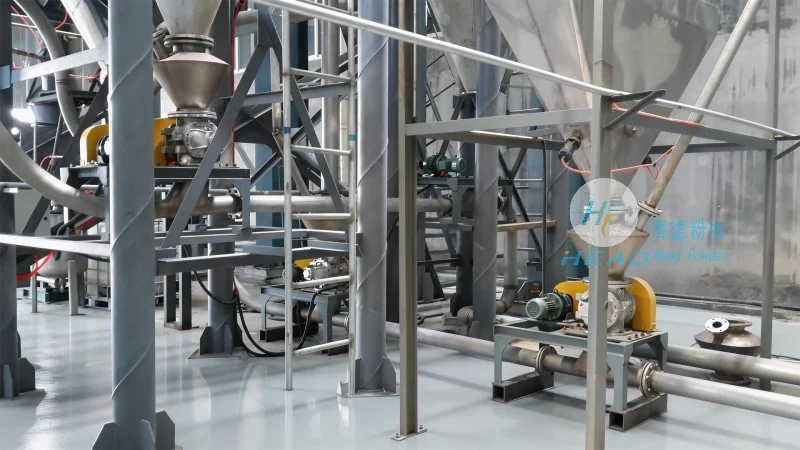
The operation of a KOH material handling line follows a systematic sequence to ensure safe and efficient transfer of the chemical. The process typically begins with the loading of KOH into the storage tank, either by direct delivery from a supplier or from a production batch. Once the tank is filled, the system initiates the following steps:
1. Preparation and Initialization: The control system checks all components for proper operation. The pump is started, and the flow rate is adjusted to the required level. The pipeline is flushed to remove any air or contaminants, ensuring a clean and continuous flow of KOH.
2. Transfer from Storage to Processing: The KOH is pumped from the storage tank through the pipeline to the processing unit or packaging area. The flow rate is monitored and controlled to maintain consistent pressure and avoid surges that could damage equipment or cause spills.
3. Monitoring and Adjustment: During operation, sensors continuously track parameters such as temperature, pressure, and flow rate. If any parameter deviates from the set points, the control system automatically adjusts the pump speed or activates alarms to alert operators. This real-time monitoring ensures that the system operates within safe limits at all times.
4. Shutdown and Maintenance: When the transfer is complete or the system needs to be shut down for maintenance, the pump is stopped, and the pipeline is drained and flushed to remove any residual KOH. Regular maintenance, including inspections of pump seals, pipeline integrity, and sensor calibration, is crucial to maintain the system's performance and safety.
Working Principle of the KOH Material Handling Line
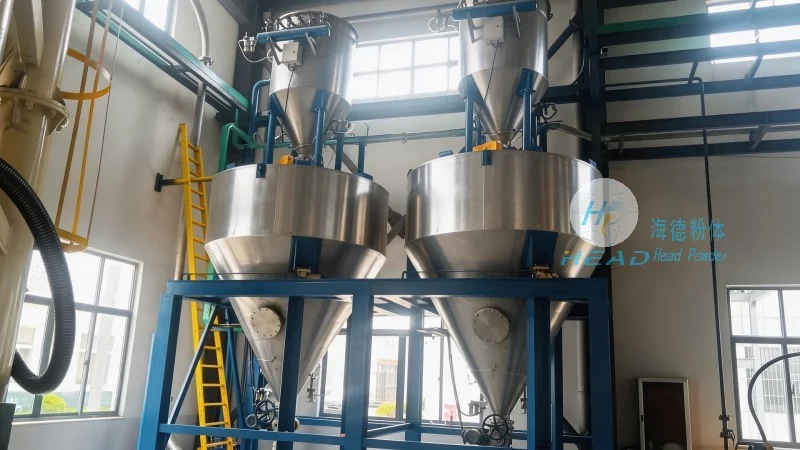
The working principle of a KOH material handling line is based on the principles of fluid dynamics and mechanical engineering. The system relies on the force generated by the pump to overcome the resistance in the pipeline and maintain a consistent flow rate. The key principles include:
1. Pressure and Flow Control: The pump creates a pressure differential that drives the KOH through the pipeline. The flow rate is determined by the pump's capacity and the system's resistance (e.g., pipeline length, diameter, and fittings). By adjusting the pump speed or using variable frequency drives (VFDs), the flow rate can be precisely controlled to meet the processing requirements.
2. Corrosion Resistance: Since KOH is a highly corrosive chemical, all components in contact with the substance must be made of materials that resist chemical attack. Stainless steel, Hastelloy, and PTFE are commonly used for their durability and resistance to corrosion. Proper material selection is critical to prevent leaks and ensure the longevity of the system.
3. Safety and Automation: The system incorporates multiple safety features to prevent accidents and ensure operator safety. These include pressure relief valves, temperature sensors, and leak detection systems. The control system automates the operation, reducing the risk of human error and ensuring consistent performance.
Benefits of Using a KOH Material Handling Line
Implementing a specialized KOH material handling line offers several benefits for industrial operations. These include improved efficiency, reduced labor costs, enhanced safety, and compliance with regulatory standards. The automated system minimizes the need for manual handling of the corrosive chemical, reducing the risk of exposure to workers. Additionally, the precise control of flow and pressure ensures consistent product quality and reduces waste.
Conclusion
HeadPowder Engineering Co., Ltd., based in Shandong, China, provides comprehensive solutions for KOH material handling lines, combining advanced engineering with robust safety features. The operation process and working principles of such a system are designed to ensure efficient and safe transfer of potassium hydroxide, meeting the demands of modern industrial applications. By leveraging specialized components and automated control systems, these lines enhance productivity while maintaining the highest standards of safety and reliability.




